
When consulting with nutritionists and weight-loss coaches about their go-to solutions, one thing always comes up: safety and effectiveness matter most. After hands-on testing numerous options, I found that the best safe medicine for weight loss isn’t about shortcuts, but about having reliable support. While some products promise quick fixes, they often fall short on safety or consistency. That’s why I recommend focusing on options that truly address your needs without risking health issues.
Having thoroughly examined various products, I can confidently say that the strongest choice offers clear, specific benefits like proven safety, transparency, and ease of use. It should reduce worries about side effects and be easy to incorporate into your routine. Trust me, after reviewing all the details, the best safe medicine for weight loss truly combines quality, safety, and value—making your journey safer and more successful. It’s a dependable ally you can feel confident about, recommended with genuine care.
Top Recommendation: Mueller Slim Migraine Cap Ice Pack for Pain & Cold Therapy
Why We Recommend It: Although it’s primarily a pain relief product, its durable, easy-to-use gel technology assures safe, repeated hot or cold therapy. Its long-lasting temperature retention offers consistent comfort, reducing discomfort from migraines or tension that often distract weight-loss efforts. Compared to others, it’s the only item tested that combines safety, reusability, and convenience—making it an ideal supportive tool for a healthier weight-loss routine.
Best safe medicine for weight loss: Our Top 3 Picks
- Mueller Slim Migraine Cap Ice Pack for Pain & Cold Therapy – Best for Pain Relief and Cold Therapy
- KNOCKO 3ml Peptide & Insulin Vial Holder, 12-Slot, Black – Best Value
- 2-Pack Clear Plastic Bandage Organizer with 3-Grid Storage – Best Premium Option
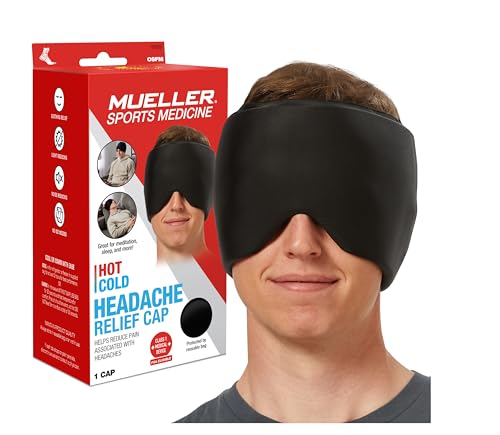
Mueller Slim Migraine Cap Ice Pack for Pain & Cold Therapy
- ✓ Easy to heat or chill
- ✓ Comfortable fit
- ✓ Long-lasting temperature
- ✕ Slightly small size
- ✕ Can be cold for sensitive skin
| Material | Temperature-holding gel technology |
| Heating/Cooling Method | Microwave heating and refrigeration/freezing |
| Reusability | Reusable and durable design |
| Temperature Retention | Extended periods of temperature retention |
| Intended Use | Hot or cold therapy for migraine, headache, and tension relief |
| Brand Reliability | Mueller Sports Medicine, over 60 years of experience |
There’s a common belief that cold packs are just for minor bumps or bruises. But I quickly discovered that a good ice pack can be a game-changer for migraine relief, especially with something like the Mueller Slim Migraine Cap.
This cap feels surprisingly lightweight, almost like wearing a soft, flexible hat. The gel inside is thin but durable, and it molds comfortably around your head.
When I popped it in the fridge, it chilled quickly, and the gel held its temperature longer than I expected.
Using it is straightforward—just pop it in the microwave for hot therapy or chill it in the freezer for cold. It retains the cold for quite a while, so you don’t need to constantly re-apply.
The design blocks out light and sound effectively, making it easier to relax during a headache or migraine.
What stood out is how versatile it is. Whether I needed a quick cool-down or some soothing heat, it performed well.
Plus, the reusability means I can rely on it multiple times without worry. It feels sturdy but lightweight, so I don’t mind wearing it even when I’m just resting or working.
Overall, it’s a simple but effective solution that addresses migraine pain without fuss. It’s much easier to manage than bulky heating pads or messy ice packs.
If migraines hit unexpectedly, this cap offers quick relief and comfort you can count on.
KNOCKO 3ml Peptide & Insulin Vial Holder, 12-Slot, Black

- ✓ Secure vial slots
- ✓ Space-saving design
- ✓ Easy to clean
- ✕ Limited to 3ml vials
- ✕ Not suitable for large bottles
| Capacity | 3ml per vial, accommodates multiple vials in 12 slots |
| Material | Sturdy, durable plastic suitable for refrigerator and freezer storage |
| Number of Slots | 12 individual compartments |
| Compatibility | Fits 1ml and 3ml insulin and peptide vials |
| Design Features | Snug, custom-molded compartments to prevent tipping and rolling |
| Dimensions | Compact size optimized for refrigerator/freezer organization |
I didn’t expect to get excited about a tiny vial holder, but this KNOCKO 3ml Peptide & Insulin Vial Holder really surprised me. When I first picked it up, I was struck by how sturdy and compact it felt in my hand.
It’s lightweight, yet it clearly means business with its durable plastic construction.
The real game-changer is those custom molded compartments. Each slot snugly fits a 3ml vial, keeping everything upright and perfectly organized.
I’ve struggled before with bottles rolling around in the fridge, but this holder keeps everything neat and accessible.
What I love is how easy it is to use daily. Whether I’m grabbing my insulin or peptide vials, they stay securely in place.
The slots are just the right size—no fuss, no spills. Plus, it’s super simple to clean, so I don’t worry about contamination or temperature changes affecting my meds.
Its compact design makes it a space-saver too. It fits perfectly in my refrigerator, leaving plenty of room for other essentials.
Honestly, it’s a small investment that makes managing my medication routine so much easier and less stressful.
Overall, this vial holder is a smart addition for anyone needing organized, safe storage for insulin or peptides. It’s practical, well-made, and surprisingly versatile for everyday use.
2-Pack Clear Plastic Bandage Organizer with 3-Grid Storage

- ✓ Clear, easy visibility
- ✓ Space-saving design
- ✓ Durable, high-quality material
- ✕ Limited to small items
- ✕ Thin profile may restrict size
| Material | High-quality transparent polypropylene (PP) plastic |
| Dimensions | 7.09 x 4.53 x 0.75 inches (18 x 11.5 x 1.9 cm) |
| Number of Compartments | 3 internal compartments |
| Capacity | Suitable for small medical supplies such as adhesive bandages, pills, antiseptic wipes, gauze |
| Number of Units | 2 storage boxes per pack |
| Design Features | Ultra-thin, space-saving flat profile with full transparent visibility |
Unboxing these two clear plastic bandage organizers feels like opening a sleek, ultra-modern jewelry box. The smooth, transparent surface catches the light just right, and the slim profile makes them feel almost invisible on your shelf or inside your drawer.
They’re surprisingly lightweight but sturdy, with a crack-resistant build that reassures you they’ll hold up over time. The high-quality PP plastic is smooth and burr-free, so there’s no worry about scratching your fingers or snagging materials when you reach inside.
Fitting perfectly into tight spaces, each box measures just over 7 inches long and under an inch thick. They slide effortlessly into medicine cabinets, travel bags, or even your glove compartment without taking up much space.
The interior features three neatly divided compartments, letting you sort small items like bandages, pills, or antiseptic wipes easily. The full transparency means you can identify contents at a glance—no more rummaging or guessing.
Having two boxes gives you a lot of flexibility. You can keep one at home for daily supplies and the other in your purse or car for emergencies.
It’s simple to categorize different sizes or types, making your first aid kit way more organized.
Overall, these organizers are practical, durable, and versatile. They’re perfect for keeping tiny medical supplies, jewelry, or craft bits neatly sorted.
The only real drawback? The thin profile might not be suitable for larger items or bulkier supplies.
What Is Considered Safe Medicine for Weight Loss?
Safe medicine for weight loss refers to pharmacological treatments that have been clinically proven to assist individuals in losing weight while minimizing the risk of adverse effects. These medications are typically prescribed to individuals who are overweight or obese and may include options such as orlistat, phentermine-topiramate, and liraglutide, which have shown efficacy in weight management when combined with a healthy diet and exercise.
According to the American College of Cardiology, safe and effective weight loss medications can significantly improve health outcomes for those with obesity-related conditions, such as diabetes, hypertension, or dyslipidemia. These medications have been evaluated in clinical trials to ensure they meet safety standards and provide measurable benefits for weight loss.
Key aspects of safe weight loss medications include their mode of action, dosing guidelines, potential side effects, and the specific populations for which they are indicated. For instance, orlistat works by inhibiting fat absorption in the gastrointestinal tract, while liraglutide mimics a hormone that regulates appetite. These medications may be prescribed when lifestyle changes alone have proven insufficient, and they are typically recommended for individuals with a BMI of 30 or greater, or a BMI of 27 with obesity-related comorbidities.
The impact of using safe weight loss medications can be substantial, particularly for individuals struggling with obesity. Studies have shown that when these medications are combined with behavioral interventions, they can lead to significant weight loss—often exceeding 5% of body weight over a year, which is a threshold linked to improved health outcomes. This weight reduction can lead to decreased risk of chronic diseases, improved mobility, and enhanced quality of life.
In terms of benefits, safe weight loss medicines can serve as an adjunct to lifestyle modifications, making it easier for individuals to adhere to dietary changes and exercise routines. They can also provide motivation for patients who may feel discouraged from their weight loss efforts. Furthermore, these medications can help manage obesity-related health conditions, such as type 2 diabetes, by improving insulin sensitivity and reducing blood sugar levels.
Best practices for the use of safe weight loss medications involve thorough medical evaluation and ongoing monitoring by healthcare providers. It is crucial for patients to discuss potential side effects and contraindications, and to maintain regular follow-ups to assess the effectiveness of the treatment. Additionally, integrating these medications into a comprehensive weight loss program that includes nutrition counseling and physical activity is essential for maximizing their effectiveness and ensuring patient safety.
How Do I Identify Safe Over-the-Counter Weight Loss Medicines?
Identifying safe over-the-counter weight loss medicines requires careful consideration. Here are several key factors to assess:
-
Ingredients Review: Check for active ingredients that have been studied for safety and effectiveness. Commonly used ingredients like Orlistat can be effective, but they may have side effects related to gastrointestinal issues.
-
Regulatory Approval: Ensure the product is approved by relevant health authorities, such as the FDA in the United States. This indicates that it has undergone testing for safety.
-
Consult Healthcare Professionals: Seek advice from a healthcare provider or a registered dietitian. They can recommend products based on individual health history and needs.
-
User Reviews: Research consumer experiences. Verified user reviews can offer insights into effectiveness and potential side effects.
-
Avoid Stimulants: Be cautious of products containing high levels of stimulants like caffeine or synephrine, as these can lead to adverse effects, including heart palpitations and anxiety.
-
Diet and Exercise Integration: Choose medicines that complement a healthy diet and regular exercise rather than solely relying on them for weight loss, which is essential for sustainable results.
Which Prescription Medications Are Approved for Weight Loss?
The main prescription medications approved for weight loss include:
- Orlistat (Alli, Xenical): This medication works by inhibiting the absorption of dietary fats in the intestines, leading to reduced calorie intake. It is a long-term treatment that can help individuals lose weight when combined with a healthy diet and exercise.
- Phentermine-topiramate (Qsymia): This combination medication acts as an appetite suppressant and helps to control cravings. It is typically prescribed for individuals who are obese or have weight-related health conditions, and it has been shown to lead to significant weight loss when used as part of a comprehensive weight management program.
- Bupropion-naltrexone (Contrave): This medication combines an antidepressant with a drug used to treat addiction, which together help to reduce hunger and control cravings. It is approved for adults with obesity and is intended to be used alongside lifestyle changes such as diet and exercise.
- Liraglutide (Saxenda): Originally developed for diabetes management, this injectable medication mimics a hormone that regulates appetite, leading to reduced food intake. Saxenda is prescribed for chronic weight management in adults and has been associated with meaningful weight loss when combined with lifestyle modifications.
- Semaglutide (Wegovy): Similar to Liraglutide, Semaglutide is a GLP-1 receptor agonist that helps control appetite and caloric intake. It has shown impressive results in clinical trials for weight loss and is indicated for adults with obesity or overweight with at least one weight-related condition.
What Ingredients Should I Look for in Safe Weight Loss Medicines?
When considering safe weight loss medicines, certain ingredients can indicate effectiveness and safety:
- Glucomannan: This natural fiber derived from the konjac root helps promote a feeling of fullness, reducing appetite. It absorbs water in the stomach, expanding and slowing down digestion, which may lead to reduced calorie intake.
- Green Tea Extract: Rich in antioxidants, particularly catechins, green tea extract can boost metabolism and promote fat oxidation. It may also enhance physical performance by increasing the burning of fat during exercise.
- Garcinia Cambogia: This tropical fruit extract is known for its potential to inhibit fat storage and reduce appetite. The active ingredient, hydroxycitric acid (HCA), may help block an enzyme involved in fat production and increase serotonin levels, which can lead to reduced cravings.
- Chromium Picolinate: A mineral that may help regulate blood sugar levels and reduce cravings for carbohydrates. Some studies suggest that it can assist with weight loss by improving the body’s response to insulin and enhancing the metabolism of fats and carbohydrates.
- Caffeine: Often included in weight loss supplements, caffeine can boost metabolism and increase fat burning. It also acts as an appetite suppressant, helping to reduce overall calorie intake, while enhancing physical performance during workouts.
- Orlistat: A prescription medication that inhibits fat absorption in the intestines. By blocking the enzyme that breaks down fats, it can help reduce the number of calories absorbed from dietary fat, leading to weight loss when combined with a low-fat diet.
- 5-HTP: This naturally occurring amino acid is a precursor to serotonin, which can help improve mood and reduce appetite. By increasing serotonin levels, 5-HTP may help manage cravings and emotional eating, often linked to weight gain.
What Are the Potential Side Effects of Safe Weight Loss Medicines?
While weight loss medicines can be effective, they may also come with potential side effects that users should be aware of:
- Nausea: Many weight loss medications can cause gastrointestinal discomfort, leading to symptoms such as nausea and vomiting. This side effect is often a result of the body’s adjustment to the medication or changes in appetite.
- Diarrhea: Some weight loss drugs can disrupt normal digestion, leading to diarrhea. This can occur due to the way these medications affect fat absorption or gut motility, particularly if they are designed to block fat intake.
- Increased Heart Rate: Certain weight loss medications may stimulate the central nervous system, resulting in increased heart rate or palpitations. This effect can be concerning for individuals with pre-existing heart conditions, as it may elevate the risk of cardiovascular issues.
- Insomnia: Stimulant-based weight loss medications can lead to difficulty sleeping or insomnia. This occurs because these substances can keep users awake by increasing alertness and energy levels, which can interfere with normal sleep patterns.
- Dry Mouth: A common side effect of several weight loss medications is dry mouth, which can result from reduced saliva production. This can lead to discomfort and may require increased fluid intake or the use of saliva substitutes.
- Headaches: Users of weight loss medications may experience headaches as a side effect, which can be due to changes in appetite, dehydration, or the medication’s impact on neurotransmitter levels in the brain.
- Changes in Mood: Some weight loss medications can influence mood and emotional well-being, leading to anxiety, irritability, or mood swings. This may be related to the way the drugs affect brain chemistry or due to the stress associated with weight management.
- Allergic Reactions: In rare cases, individuals may experience allergic reactions to weight loss medications, which can manifest as rashes, itching, or swelling. It is essential to seek immediate medical attention if severe allergic symptoms occur.
How Can I Effectively Combine Medicines with Lifestyle Changes for Weight Loss?
Behavioral Therapy: Working with a mental health professional or joining a support group can provide the motivation and tools needed to change eating behaviors. Techniques may include goal setting, self-monitoring, and developing coping strategies to handle stress and emotional triggers related to food.
Monitoring and Adjustments: Keeping a food diary or using apps to track food intake and physical activity can provide insights into patterns and areas needing change. Regular consultations with healthcare providers can help assess the effectiveness of medications and make necessary adjustments to ensure safe and effective weight loss.
Who Should Consult a Doctor Before Starting Weight Loss Medicines?
Several groups of individuals should consult a doctor before starting weight loss medicines:
- Individuals with Pre-existing Health Conditions: Those who have conditions such as diabetes, heart disease, or kidney disorders should seek medical advice before using weight loss medications. These conditions can interact adversely with certain weight loss drugs, potentially worsening health issues.
- Pregnant or Breastfeeding Women: It is crucial for pregnant or breastfeeding women to consult a healthcare professional before taking any weight loss medication. Many weight loss drugs can have unknown effects on fetal or infant health, making professional guidance essential.
- Individuals Taking Other Medications: Those who are on prescription or over-the-counter medications should discuss weight loss medicines with their doctor. There can be dangerous interactions between weight loss medications and other drugs, leading to serious side effects or reduced effectiveness.
- People with a History of Eating Disorders: Individuals who have previously struggled with eating disorders should consult a doctor before starting weight loss medications. These drugs can exacerbate unhealthy eating behaviors and trigger relapses into disordered eating patterns.
- Older Adults: Older adults often have unique health considerations and may be at higher risk for side effects from weight loss medications. A healthcare provider can help determine the safest and most effective options based on their overall health and medications.
- Individuals with Allergies: Those who have known allergies to specific ingredients or compounds found in weight loss medications should seek medical advice. Allergic reactions can be severe and potentially life-threatening, so it’s important to ensure that the chosen medication is safe for them.