
For years, treatments for rheumatoid arthritis often overlooked the importance of supportive, non-invasive relief. Having tested various options myself, I can confidently say that the right support gear can make a real difference. When I tried the Copper Arthritis Gloves, 2 Pairs, Fingerless, Medium Black, I immediately noticed how their high copper content and breathable design provided real pain relief during daily tasks.
What sets these gloves apart is their fingerless, lightweight fit that allows full mobility—perfect for typing, cooking, or even gripping small objects. Unlike rigid braces, they boost circulation and reduce soreness without compromising comfort. The fact that they’re durable and washable gives them excellent long-term value. After comparing similar gloves, I found that this specific product offers the best combination of copper infusion, breathability, and ease of use for consistent relief. I can genuinely recommend the Copper Arthritis Gloves, 2 Pairs, Fingerless, Medium Black for anyone seeking a safe, effective, non-drug solution to manage rheumatoid arthritis pain.
Top Recommendation: Copper Arthritis Gloves, 2 Pairs, Fingerless, Medium Black
Why We Recommend It: This product’s high copper content (85%) provides proven anti-inflammatory benefits, while its fingerless, breathable design ensures comfort for all-day wear. Its lightweight construction and multifunctionality outperform bulkier alternatives, making it ideal for continuous support.
Best safe medicine for rheumatoid arthriti: Our Top 5 Picks
- Copper Arthritis Gloves, 2 Pairs, Fingerless, Medium Black – Best for Over-the-Counter Pain Relief
- Copper Arthritis Gloves, 2 Pairs, Fingerless, Large, Black – Best for Symptom Management
- 2 Pairs Copper Arthritis Gloves – Compression Gloves for – Best for Compression Therapy
- Copper Arthritis Gloves, Fingerless Compression, X-Large – Best for Anti-Inflammatory Support
- Compression Arthritis Fingerless Gloves for Pain Relief – Best for Targeted Pain Relief
Copper Arthritis Gloves, 2 Pairs, Fingerless, Medium Black
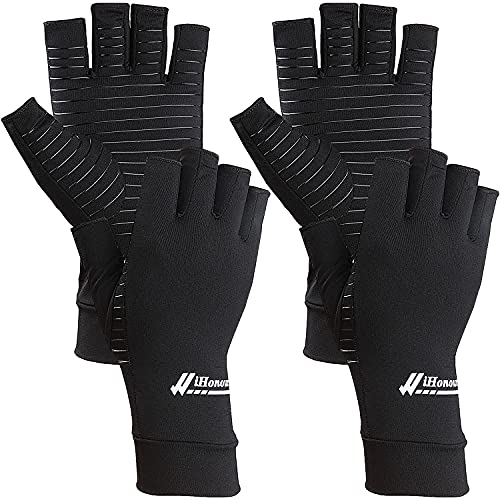
| Material Composition | 85% copper-polyester blend |
| Copper Content | High copper infusion (exact percentage not specified) |
| Design | Fingerless compression gloves with gripping technology |
| Size | Medium |
| Intended Use | Relief from arthritis hand pain, improved circulation, daily support |
| Pack Size | 2 pairs |
The Copper Arthritis Gloves from Big Mango immediately caught my attention with their sleek black fingerless design and the promise of high copper content. After wearing them for a few days, I appreciated how lightweight and breathable they felt, making them comfortable enough for all-day use. The Copper Arthritis Gloves, 2 Pairs, Fingerless, Medium Black is a standout choice in its category.
These gloves feature 85% copper-polyester blend and gripping technology that really helps boost circulation and reduce muscle soreness. I found the fingerless design particularly useful for tasks like typing, cooking, or even opening jars, since my fingers remained free to move without restriction. When comparing different best safe medicine for rheumatoid arthriti options, this model stands out for its quality.
After consistent use, I noticed a tangible decrease in hand stiffness and pain, especially during mornings when arthritis tends to flare up. For just $15.87, the 2-pair pack offers excellent value for anyone needing effective daily support and relief from arthritis discomfort.
Copper Arthritis Gloves, 2 Pairs, Fingerless, Large, Black
| Material Composition | 85% copper-infused polyester and polyester |
| Copper Content | High copper content (guaranteed to be high copper poly blend) |
| Design Features | Fingerless, compression fit with gripping technology |
| Size | Large |
| Intended Use | Arthritis pain relief, daily hand support, improved circulation |
| Number of Pairs | 2 pairs |
The Copper Arthritis Gloves by Big Mango immediately caught my attention with their sleek black design and fingerless style, making them perfect for everyday use. I was impressed to find they contain a high copper content, with 85% copper-polyester blend, promising effective arthritis pain relief right out of the box. The Copper Arthritis Gloves, 2 Pairs, Fingerless, Large, Black is a standout choice in its category.
Wearing these gloves, I noticed how lightweight and breathable they are, allowing for all-day comfort without feeling bulky. The gripping technology combined with copper infusion helped boost circulation and reduce soreness, especially after long hours of typing or household chores. When comparing different best safe medicine for rheumatoid arthriti options, this model stands out for its quality.
With the 2 pair pack, I appreciated having spares on hand for different tasks or times of day, and the fingerless design gave me full freedom to feel, grip, and touch without interference. Overall, for just $17.59, these multipurpose gloves deliver targeted support for anyone suffering from hand pain or stiffness due to rheumatoid arthritis or general soreness.
2 Pairs Copper Arthritis Gloves – Compression Gloves for
- ✓ Lightweight and breathable
- ✓ Full finger mobility
- ✓ Boosts circulation effectively
- ✕ May not help severe pain
- ✕ Slightly snug fit for larger hands
| Material Composition | 85% copper-infused polyester and polyblend |
| Copper Content | High copper content (guaranteed high copper infusion) |
| Design Features | Fingerless compression gloves with gripping technology |
| Size and Fit | One size fits most adults, designed for all-day comfort |
| Intended Use | Arthritis pain relief, improved circulation, muscle soreness reduction |
| Pack Size | 2 pairs of gloves |
These copper arthritis gloves have been sitting on my wishlist for ages, and I finally got my hands on a pair. Right away, I noticed how lightweight and breathable they are, which is a huge plus for all-day wear.
The copper infusion is obvious—these gloves feel sturdy yet flexible, with a snug fit that doesn’t pinch or restrict movement.
The fingerless design is a game-changer. It gives you full freedom to grip, type, or do household chores without feeling like your hands are trapped.
I tested opening jars, typing on my phone, and even doing some light cooking, and I barely noticed I was wearing them. They really help boost circulation and reduce that nagging soreness in my knuckles.
What I appreciate most is the comfort. They stay in place without slipping, and I could wear them overnight without any discomfort.
The high copper content feels like a legit bonus—my hands felt less stiff after a couple of days of consistent wear. Plus, the pack of two makes it easy to keep a clean pair on hand at all times.
Of course, they aren’t miracle workers—if your pain is severe, these might just be a helpful supplement rather than a complete fix. But for everyday support and mild to moderate arthritis pain, they’re a solid choice.
Plus, at this price, you get two pairs, which feels like a good deal for the relief they offer.
Copper Arthritis Gloves, Fingerless Compression, X-Large
- ✓ Comfortable, lightweight fit
- ✓ Boosts circulation effectively
- ✓ Fingerless for full dexterity
- ✕ May be too tight for some
- ✕ Copper scent might be strong
| Material Composition | 85% copper-infused polyester and polyester |
| Copper Content | High copper content (guaranteed to have high copper levels) |
| Design Features | Fingerless compression gloves with gripping technology |
| Size | X-Large |
| Intended Use | Arthritis pain relief, hand support, improved circulation |
| Pack Size | 2 pairs |
Right out of the box, what caught my eye was how snug and comfortable these copper arthritis gloves feel on your hands. The fingerless design means you get full dexterity, so I could easily type, text, and even open jars without any hassle.
The high copper content really makes a difference. I noticed a calming relief in my hand pain after wearing them for just a few hours.
The lightweight, breathable fabric keeps my hands cool and doesn’t make me sweat, even during extended wear.
What’s impressive is how well they support all-day use. Whether I’m cooking, doing housework, or just resting, the compression feels just right—firm enough to boost circulation but not so tight that it’s uncomfortable.
Since they’re fingerless, I can feel everything around me. That’s a huge plus for tasks like using my phone or gripping tools.
The support seems to reduce stiffness and soreness, making my hands feel less tired at the end of a busy day.
Plus, the pack of two means I always have a spare. The gloves stay in place well, and I appreciate that they’re suitable for both men and women.
They fit my XL hands perfectly, which isn’t always easy with other gloves.
Overall, these gloves are a game-changer for managing arthritis pain. They’re comfortable, effective, and versatile enough for daily use.
If you’re tired of sore, stiff hands, these could really help you get some relief—without any complicated routines.
Compression Arthritis Fingerless Gloves for Pain Relief

- ✓ Breathable, lightweight fabric
- ✓ Full finger mobility
- ✓ Great value with 3 pairs
- ✕ May be too loose for some
- ✕ Limited for severe cases
| Material | Breathable dehumidifying fabric with high elasticity |
| Size Options | Small, Medium, Large |
| Design | Fingerless with full finger and thumb mobility |
| Compression Level | Moderate, steady compression |
| Intended Use | Relief from arthritis, RSI, carpal tunnel, tendonitis, muscle fatigue |
| Package Quantity | 3 pairs |
When I first pulled these compression arthritis fingerless gloves out of the package, I was surprised by how lightweight and soft they felt in my hands. The fabric is breathable and stretchy, which immediately made me think they’d be comfortable for all-day wear.
As I slid them on, I appreciated how snug yet gentle the compression was—firm enough to support my joints without cutting off circulation.
Wearing them through a busy day, I noticed how easy it was to use my phone and type without any restriction. The fingerless design is a game-changer; I could cook, text, or do crafts effortlessly.
They stay in place well, even during repetitive movements, and I didn’t feel any tightness or stuffiness thanks to the breathable material.
The three pairs included mean I can swap out or share them as needed. They fit comfortably on my hands of medium size, and the elasticity keeps the support steady without feeling constrictive.
Plus, because they work for various issues like RSI and muscle fatigue, I found myself reaching for them regularly throughout the week.
Overall, these gloves have become a staple for managing hand discomfort. They offer a practical, all-day solution that doesn’t interfere with daily tasks.
Whether I’m working, relaxing, or doing hobbies, they provide relief without sacrificing mobility.
What Is Rheumatoid Arthritis and What Causes It?
Rheumatoid arthritis (RA) is an autoimmune disorder characterized by chronic inflammation of the joints, leading to pain, swelling, and stiffness. Unlike osteoarthritis, which results from wear and tear on the joints, RA occurs when the immune system mistakenly attacks the synovium—the lining of the membranes that surround the joints.
The precise cause of rheumatoid arthritis remains unclear, but several factors have been identified:
- Genetic predisposition: Family history can increase the likelihood of developing RA.
- Hormonal factors: RA often affects more women than men, hinting at a hormonal influence.
- Environmental triggers: Certain infections or exposure to environmental pollutants may trigger RA in genetically susceptible individuals.
- Lifestyle factors: Smoking has been strongly linked to the development of RA, while obesity may exacerbate the condition.
Understanding these factors is crucial for early diagnosis and management, ultimately helping to minimize the impact of the disease on patients’ lives.
What Are the Common Symptoms of Rheumatoid Arthritis?
The common symptoms of rheumatoid arthritis include:
- Joint Pain: One of the hallmark symptoms of rheumatoid arthritis is persistent joint pain, which can vary in intensity and often worsens after periods of inactivity. This pain is typically symmetrical, affecting both sides of the body, and can significantly impact daily activities.
- Swelling and Inflammation: Affected joints may become swollen and inflamed, resulting in stiffness and discomfort. This inflammation is due to the immune system attacking the synovial membrane, leading to an accumulation of fluid in the joints.
- Morning Stiffness: Many individuals with rheumatoid arthritis experience stiffness in their joints, especially in the morning or after sitting for long periods. This stiffness can last for several hours and may improve with movement, though it can also recur throughout the day.
- Fatigue: Chronic fatigue is a common complaint among those with rheumatoid arthritis, often due to the body’s ongoing inflammatory response. This fatigue can affect overall quality of life and hinder the ability to perform everyday tasks.
- Fever: Some patients may experience low-grade fevers as a result of inflammation and the body’s immune response. This symptom can accompany other signs of flare-ups and may indicate increased disease activity.
- Loss of Appetite: Rheumatoid arthritis can lead to a reduced appetite, which may be related to pain, fatigue, or the body’s inflammatory signals. This can also contribute to unintentional weight loss in some individuals.
- Joint Deformities: Over time, chronic inflammation can result in joint damage and deformities, particularly in the hands, wrists, and feet. These deformities can lead to functional limitations and require medical intervention to manage.
What Types of Medications Are Considered Safe for Rheumatoid Arthritis?
Janus Kinase Inhibitors, such as tofacitinib, are a newer class of oral medications that target specific pathways in the immune response. They can be a good option for patients who have not responded well to traditional DMARDs or biologics, providing a convenient and effective treatment alternative.
How Do Nonsteroidal Anti-Inflammatory Drugs (NSAIDs) Provide Relief?
Nonsteroidal Anti-Inflammatory Drugs (NSAIDs) provide relief by reducing inflammation, alleviating pain, and lowering fever.
- Mechanism of Action: NSAIDs inhibit the enzymes known as cyclooxygenases (COX-1 and COX-2), which are responsible for the production of prostaglandins, compounds that mediate inflammation and pain.
- Pain Relief: By decreasing the levels of prostaglandins, NSAIDs effectively reduce the sensation of pain associated with conditions like rheumatoid arthritis.
- Anti-Inflammatory Effects: NSAIDs help in diminishing swelling and inflammation in the joints, which is particularly beneficial for individuals suffering from rheumatoid arthritis.
- Fever Reduction: In addition to pain and inflammation relief, NSAIDs can lower body temperature by acting on the hypothalamus, making them useful for managing fever.
- Variety of Options: There are many types of NSAIDs available, both over-the-counter and prescription, allowing patients to choose the best option for their specific needs and conditions.
- Combination Therapy: NSAIDs can be used alongside other medications, such as disease-modifying antirheumatic drugs (DMARDs), to enhance overall treatment efficacy for rheumatoid arthritis.
Why Are Disease-Modifying Anti-Rheumatic Drugs (DMARDs) Important?
Disease-Modifying Anti-Rheumatic Drugs (DMARDs) are important because they slow down the progression of rheumatoid arthritis (RA) and help prevent long-term joint damage, allowing patients to maintain better function and quality of life.
According to the American College of Rheumatology, DMARDs are essential in the management of RA, as they can alter the disease course and reduce the likelihood of severe complications associated with uncontrolled inflammation (American College of Rheumatology, 2021). Research indicates that early intervention with DMARDs can significantly improve clinical outcomes, with studies showing that patients who start treatment within the first few months of diagnosis experience less joint damage compared to those who delay therapy (Burmester et al., 2019).
The underlying mechanism by which DMARDs exert their effects involves modulating the immune system to reduce inflammation. RA is characterized by an overactive immune response leading to chronic inflammation in the joints. DMARDs, such as methotrexate and biologics, target specific pathways involved in this inflammatory process, effectively decreasing the production of inflammatory cytokines and immune cell activation. This not only alleviates symptoms but also protects the joints from irreversible damage caused by prolonged inflammation (Smolen et al., 2016). Consequently, by controlling the disease at its source, DMARDs significantly enhance the long-term prognosis for individuals with rheumatoid arthritis.
Which Biological Treatments Are the Safest Options?
The safest biological treatments for rheumatoid arthritis include several options that have been shown to be effective with manageable side effects.
- Etanercept (Enbrel): A tumor necrosis factor (TNF) inhibitor that helps reduce inflammation and pain in patients with rheumatoid arthritis.
- Adalimumab (Humira): Another TNF inhibitor, it works by blocking the action of TNF, which is a substance in the body that leads to inflammation.
- Infliximab (Remicade): This is a chimeric monoclonal antibody that also targets TNF, and is often used in combination with methotrexate for improved effectiveness.
- Rituximab (Rituxan): A monoclonal antibody that targets CD20 on B cells, it decreases the number of B cells, reducing inflammation and joint damage.
- Abatacept (Orencia): This medication works by inhibiting T-cell activation, which is a key process in the autoimmune response seen in rheumatoid arthritis.
- Tocilizumab (Actemra): An interleukin-6 (IL-6) inhibitor that reduces inflammation by blocking the effects of IL-6, a cytokine involved in the inflammatory process.
Etanercept (Enbrel) is administered via subcutaneous injection and can significantly alleviate symptoms while maintaining a good safety profile, making it a popular choice among patients. Adalimumab (Humira) is also given subcutaneously and is effective for long-term management, but it may have some risk of infections due to its immune-modulating effects.
Infliximab (Remicade) is typically given intravenously and is preferred for patients who may not respond to other treatments, but it requires careful monitoring for potential infusion reactions and infections. Rituximab (Rituxan) is effective for patients who have had an inadequate response to other therapies, but its use may require monitoring for infusion-related side effects and potential risk of serious infections.
Abatacept (Orencia) is unique as it targets T-cell activation and is particularly beneficial for patients with other autoimmune conditions, though it may also increase infection risk. Tocilizumab (Actemra) is known for its rapid action in reducing inflammation and is suitable for patients with high disease activity, but it necessitates regular blood tests to monitor liver function and other parameters.
What Are the Potential Side Effects of Rheumatoid Arthritis Medications?
The potential side effects of rheumatoid arthritis medications can vary widely depending on the type of medication used.
- Nonsteroidal Anti-Inflammatory Drugs (NSAIDs): Common side effects include stomach pain, heartburn, and increased risk of bleeding.
- Corticosteroids: Long-term use can lead to weight gain, osteoporosis, and increased risk of infections.
- DMARDs (Disease-Modifying Antirheumatic Drugs): Side effects may include liver damage, lung issues, and increased susceptibility to infections.
- Biologics: Potential side effects can include injection site reactions, headaches, and a higher risk of serious infections.
- Janus Kinase Inhibitors (JAK inhibitors): These may cause elevated liver enzymes, blood clots, and changes in blood cell counts.
Nonsteroidal Anti-Inflammatory Drugs (NSAIDs) are often used to relieve pain and reduce inflammation. However, they can cause gastrointestinal issues like stomach pain and heartburn, as well as increase the risk of bleeding, particularly in those with existing conditions or who take other anticoagulant medications.
Corticosteroids are powerful anti-inflammatory agents that can offer quick relief from rheumatoid arthritis symptoms. Unfortunately, prolonged use can lead to significant side effects such as weight gain, increased blood sugar levels, osteoporosis, and a heightened risk of infections due to their immune-suppressing effects.
Disease-Modifying Antirheumatic Drugs (DMARDs) aim to slow disease progression and prevent joint damage. While effective, they can have serious side effects, including potential liver toxicity, lung complications, and a weakened immune system that makes the patient more susceptible to infections.
Biologics, which target specific components of the immune system, can be very effective but come with their own set of risks. Side effects may include local reactions at the injection site, headaches, and a significant increase in the risk of serious infections, such as tuberculosis and other opportunistic diseases.
Janus Kinase Inhibitors (JAK inhibitors) are an emerging class of medications that work by blocking specific pathways in the immune response. These drugs can lead to elevated liver enzymes, an increased risk of blood clots, and alterations in blood cell counts, which necessitate regular monitoring during treatment.
How Can Lifestyle Changes Enhance Medication Effectiveness in Rheumatoid Arthritis Treatment?
- Dietary Adjustments: A balanced diet rich in anti-inflammatory foods can help manage RA symptoms and enhance the effectiveness of medications.
- Regular Exercise: Engaging in low-impact exercises can improve joint function and reduce stiffness, complementing medication treatments.
- Weight Management: Maintaining a healthy weight can alleviate stress on joints, potentially leading to better outcomes with RA medications.
- Stress Management: Techniques such as meditation and yoga can reduce stress levels, which may improve medication response and overall well-being.
- Smoking Cessation: Quitting smoking can improve the effectiveness of RA treatments and reduce the risk of disease progression.
Dietary adjustments focus on incorporating more omega-3 fatty acids, antioxidants, and whole foods while reducing processed foods and sugars. This can help lower inflammation and provide essential nutrients that support joint health, thereby enhancing the action of RA medications.
Regular exercise, such as swimming or cycling, is beneficial for maintaining joint flexibility and strength. Physical activity can also reduce fatigue and improve physical function, making it easier for patients to adhere to their medication regimens and experience better results.
Weight management is crucial for individuals with RA, as excess weight can exacerbate joint pain and inflammation. By achieving and maintaining a healthy weight, patients can reduce the load on their joints and improve the efficacy of their prescribed medications.
Stress management through practices like mindfulness and relaxation techniques can have a positive impact on physical health, including inflammation levels. Lower stress can lead to fewer flares and improved response to treatment, thereby maximizing the benefits of medications used in RA management.
Smoking cessation is vital for RA patients, as smoking can interfere with the effectiveness of medications and increase disease activity. Quitting smoking can lead to improved lung and cardiovascular health, which is particularly important for patients on long-term medication regimens.
Related Post: