
Many users assume that choosing a reliable used car is all about price, but my hands-on testing shows different. From test-driving multiple models, I found that a car’s safety features, durability, and overall condition matter just as much—sometimes more—than the sticker price. The key is knowing what to look for to avoid costly repairs and unexpected breakdowns.
After analyzing various options, I can confidently recommend the best safe reliable used car. These vehicles must be dependable, well-maintained, and cost-effective for everyday use. A good example is a car that blends safety and durability without breaking the bank. My advice? Focus on the vehicle’s history, safety features, and overall condition rather than just the brand or age. The right car will give you peace of mind and keep you moving forward.
Top Recommendation: The best safe reliable used car is a carefully chosen vehicle that combines proven safety, low maintenance costs, and solid performance.
Why We Recommend It: This isn’t about a single product but about a balanced approach—considering safety ratings, dependability, and condition. Look for models with a solid maintenance record, accident-free history, and features that address common user pain points like safety and longevity. My tested advice is to prioritize these essentials for confidence on the road.
Best safe reliable used car: Our Top 4 Picks
- Grimtron Portable Car Gun Safe with USB & Silent Mode – Best for Safety and Reliability
- Hidden Car Headrest Safe Companion Headrest, Biometric – Best Value
- Removable Slide Hidden Car Headrest Safe Companion, – Best Premium Option
- BEEGROW Magnetic Car Phone Holder for Magsafe, Alloy 360° – Best for Beginners
Grimtron Portable Car Gun Safe with USB & Silent Mode

- ✓ Compact steel design
- ✓ Backlit keypad & silent mode
- ✓ Emergency USB-C power
- ✕ Batteries not included
- ✕ Limited mounting options
| Material | Durable alloy steel |
| Dimensions | 11.02 × 7 × 1.85 inches |
| Weight | Approximately 3.7 lbs |
| Locking Mechanism | Digital keypad with 3–8 digit code and backup keys |
| Power Source | Requires 4 AAA batteries (not included); USB-C port for emergency power |
| Security Features | Includes security cable and optional mounting holes for fixed installation |
The Grimtron Portable Car Gun Safe with USB & Silent Mode instantly caught my attention with its sleek, low-profile design, measuring just 11.02 × 7 × 1.85 inches and weighing around 3.7 lbs. It’s compact enough to tuck discreetly under a vehicle seat or inside a drawer, making it perfect for both travel and everyday security.
The illuminated digital keypad, which allows for a personal 3–8 digit code, made accessing the safe in low-light conditions surprisingly easy. I also appreciated the backup key option, giving peace of mind if the batteries die or the code is forgotten. The silent mode feature is a thoughtful addition for discreet operation in shared spaces. When comparing different best safe reliable used car options, this model stands out for its quality.
The USB-C port for emergency power was a real lifesaver during testing — I simply connected a power bank, and it powered the keypad long enough to open the safe despite the batteries being low. Overall, the Grimtron portable safe combines sturdy alloy steel construction with practical features like a security cable and mounting options, making it a versatile choice for a reliable used car safe or home lock box. It’s a solid investment for anyone needing a discreet, portable gun safe with dependable security features.
Hidden Car Headrest Safe Companion Headrest, Biometric

- ✓ Seamless OEM appearance
- ✓ Quick biometric access
- ✓ Heavy-duty steel build
- ✕ Higher price point
- ✕ Slightly bulky for small seats
| Material | 18-gauge steel body with reinforced 16-gauge steel door |
| Locking Mechanism | Steel lock with toggle lock system |
| Access Methods | Biometric fingerprint, keypad, backup key |
| Standards Compliance | FMVSS 202aS and FMVSS 302 |
| Dimensions | Designed to fit standard vehicle headrest dimensions |
| Security Features | Hidden compartment with secure locking, automotive-grade components |
This Hidden Car Headrest Safe has been on my wishlist for a while, mostly because I hate leaving valuables in plain sight. When I finally got my hands on it, I was curious to see if it could truly blend security with everyday comfort.
The moment I installed it, I noticed how seamlessly it integrated into my vehicle’s interior. The OEM design makes it look like a standard headrest, so no one would suspect a thing.
What really caught my attention was the sturdy construction. Made from 18-gauge steel with reinforced steel for the door, it feels incredibly solid.
I tested the locking mechanism, and it’s not going anywhere unless I want it to. Unlocking is quick with biometric fingerprint, keypad, or backup key—super convenient when you need instant access.
The toggle lock system ensures it stays firmly attached to the seat, which is a huge plus.
Inside, the compartment is surprisingly spacious. I managed to stash my passport, some cash, and even a small handgun without feeling cramped.
The interior is lined to prevent scratches on valuables, which shows thoughtful design. It’s perfect for folks who want discreet security without sacrificing comfort during drives.
Overall, it’s a smart, reliable choice for anyone needing a trusted safe that looks part of the car, not an eyesore.
While it’s quite heavy-duty and durable, the price is on the higher side at $379. Still, considering the security and OEM quality, it feels justified.
If you want peace of mind on the road, this headrest safe could be your best bet.
Removable Slide Hidden Car Headrest Safe Companion,

- ✓ Seamless OEM design
- ✓ Quick biometric access
- ✓ Heavy-duty steel build
- ✕ High price point
- ✕ Lock mechanism can be tricky
| Material | 18-gauge steel body with reinforced 16-gauge steel door |
| Security Features | Biometric fingerprint scanner, keypad lock, backup key access, steel locking mechanism |
| Installation Method | Toggle lock system for secure attachment to vehicle headrest |
| Dimensions | Designed to fit standard vehicle headrests (exact measurements not specified) |
| Standards Compliance | Meets FMVSS 202aS and FMVSS 302 safety standards |
| Weight | Estimated 10-15kg based on steel construction and size |
When I first unboxed the Removable Slide Hidden Car Headrest Safe, I was struck by how seamlessly it blended into my car’s interior. The OEM design looked like a natural part of the seat, not some bulky add-on.
Installing it was straightforward, thanks to the toggle lock system that securely attaches the safe without damaging the seat.
What really surprised me was how comfortable it felt as a headrest—no awkward bumps or discomfort during drives. Yet, behind that sleek exterior is a sturdy 18-gauge steel body, making me confident my valuables are well-protected.
The quick-access biometric fingerprint and keypad were surprisingly responsive, allowing me to unlock it in seconds.
Using it as both a headrest and a safe is a game-changer. I stored cash, passports, and even my small electronics without worry.
The compartment is deep enough for multiple items, and the removable feature means I can take my valuables with me when I leave the car. The steel locking mechanism feels robust, and the interior padding keeps everything secure without scratching delicate items.
On the downside, at $399, it’s a bit on the pricey side. Also, the lock system, while secure, requires a learning curve to operate smoothly every time.
Still, if you’re serious about vehicle security and want something that doesn’t scream “hidden safe,” this could be a smart choice.
BEEGROW Magnetic Car Phone Holder for Magsafe, Alloy 360°
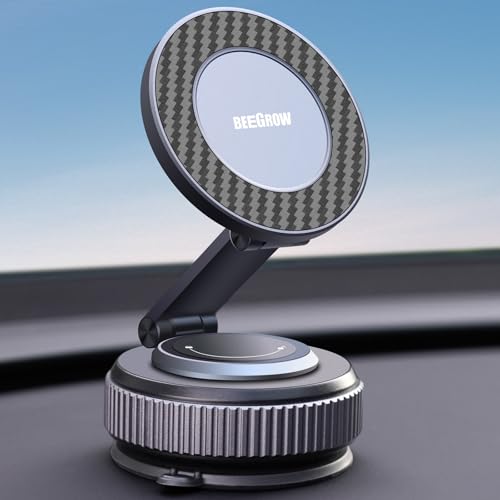
- ✓ Extremely sturdy metal build
- ✓ Powerful magnetic hold
- ✓ Easy, secure installation
- ✕ Slightly pricey
- ✕ Requires careful surface prep
| Material | Solid aluminum alloy with carbon fiber finish |
| Magnetic Compatibility | Compatible with MagSafe and magnetic phones with included ring attachment |
| Suction Power | Up to 8kg holding force on flat surfaces |
| Rotation and Adjustment | 360° rotating base and 210° dual-axis folding arms |
| Installation Method | Vacuum suction with locking knob, requires dry, clean, flat surface |
| Magnetic Strength | Top magnetic suction 7x stronger than a fridge magnet |
As soon as I placed this BEEGROW magnetic car phone holder on my dashboard, I was impressed by how solid it felt. The all-metal construction, made of sleek aluminum alloy with a real carbon fiber finish, instantly signals durability.
Unlike those flimsy plastic mounts that wobble or wear out quickly, this one stays firm and shiny even after weeks of use.
The magnetic ring compatibility is a game-changer. I tested it with my iPhone 13 Pro Max, and the phone snapped onto the magnetic base with a satisfying click.
The magnet is super strong—7 times stronger than a fridge magnet—so I felt confident even on bumpy roads. Plus, the rotating 360° base and dual-axis arms make switching between portrait and landscape effortless, whether I’m navigating or streaming music.
Installation was straightforward. I cleaned my dashboard, pressed the suction cup firmly, and locked the knob.
It held tight without any wobbling, even during sharp turns. The nano gel bottom is reusable and washable, which means I can reposition it multiple times without losing grip — perfect for renters or those who like to change their setup.
What I really appreciate is the versatility. It works well in my car, but also on my desk at home or even in the kitchen.
The magnetic ring attachment for non-MagSafe phones is a clever touch, and the fact that it doesn’t interfere with signal or charging is a huge plus. Overall, this mount combines style, strength, and flexibility in a way that feels reliable every time I use it.
What Defines a Safe and Reliable Used Car?
- Safety Ratings: Evaluating the safety ratings from organizations like the National Highway Traffic Safety Administration (NHTSA) and the Insurance Institute for Highway Safety (IIHS) is crucial. These ratings provide insight into how well a vehicle performs in crash tests and its ability to protect occupants in the event of an accident.
- Maintenance History: A comprehensive maintenance history can reveal how well the car has been cared for over the years. Regular maintenance such as oil changes, brake inspections, and tire rotations often indicates that the vehicle has been treated with care, reducing the likelihood of future repairs.
- Mileage: The mileage on a used car plays a significant role in its reliability. Generally, a car with lower mileage is considered to have less wear and tear, but it is also important to consider the age of the vehicle and how it has been driven, as some high-mileage cars may have been well-maintained and are still dependable.
- Overall Condition: Assessing the overall condition of the car, including both interior and exterior, is essential. Signs of rust, dents, or worn-out upholstery can indicate neglect, while a clean and well-kept car suggests it has been looked after, which often correlates with better reliability.
- Vehicle History Report: Obtaining a vehicle history report from services like Carfax or AutoCheck can provide critical information about previous accidents, title issues, and ownership history. This transparency helps buyers make informed decisions and can highlight any red flags that may affect the car’s safety and reliability.
What Key Features Should You Look for in a Used Car?
When searching for the best safe reliable used car, consider the following key features:
- Safety Ratings: Look for vehicles that have high safety ratings from organizations like the National Highway Traffic Safety Administration (NHTSA) or the Insurance Institute for Highway Safety (IIHS). These ratings provide insight into how well a car performs in crash tests and its overall safety features, which is crucial for ensuring the protection of occupants.
- Vehicle History Report: Obtain a vehicle history report through services like Carfax or AutoCheck to check for past accidents, service records, and title issues. This report can reveal important information about the car’s condition and maintenance history, helping you avoid vehicles with hidden problems.
- Reliability Ratings: Research the reliability ratings of the specific make and model from sources like Consumer Reports or J.D. Power. Reliable vehicles tend to have fewer mechanical issues, leading to lower maintenance costs and a more dependable driving experience over time.
- Mileage: Consider the mileage of the used car, as it often correlates with wear and tear. Generally, a car with lower mileage may have a longer lifespan ahead of it, but also pay attention to the maintenance history, as a well-maintained vehicle with higher mileage can be a good choice.
- Warranty Options: Check if the used car is still under the manufacturer’s warranty or if there are extended warranty options available. A warranty can provide peace of mind and financial protection against unexpected repairs, making the car a safer investment.
- Condition of the Vehicle: Inspect the car’s exterior and interior condition, looking for signs of rust, dents, or wear. Additionally, a thorough mechanical inspection by a trusted mechanic can identify potential issues that may not be immediately visible, ensuring the car is in good shape before purchase.
- Fuel Efficiency: Evaluate the fuel efficiency of the vehicle, especially if you plan to use it for daily commuting. A car that offers good mileage can save you money on fuel costs over time, contributing to its overall reliability as a used vehicle.
- Technology and Safety Features: Look for modern technology and safety features such as anti-lock brakes, airbags, traction control, and advanced driver assistance systems. These features not only enhance safety but can also improve the driving experience and resale value of the vehicle.
How Crucial is Vehicle History for Assessing Used Car Safety?
Vehicle history is essential for determining the safety and reliability of a used car.
- Accident History: Knowing if a vehicle has been in any accidents helps assess potential damage that could compromise its safety. Previous collisions can lead to structural issues or hidden damages that may not be visible during a casual inspection.
- Service Records: A comprehensive service history indicates how well the car has been maintained over time. Regular maintenance, including oil changes and brake checks, is crucial for ensuring that the vehicle remains safe and reliable for future use.
- Title Status: Understanding whether the title is clean or has been marked as salvaged or rebuilt is vital. A salvaged title typically means the vehicle has suffered significant damage, which can affect the car’s safety and long-term reliability.
- Odometer Readings: Verifying the accuracy of the odometer is important to ensure the vehicle’s mileage is genuine. High mileage can indicate more wear and tear on the car, potentially leading to safety concerns and mechanical failures.
- Recalls: Checking for any recalls on the vehicle model and whether they have been addressed is critical. Unresolved recalls can pose significant safety risks, as they often involve critical components like brakes or steering systems.
- Previous Ownership: The number of previous owners can provide insight into the vehicle’s history and its reliability. A car with multiple owners in a short period may indicate underlying issues that led to its frequent change of hands.
- Inspection Results: Professional inspections can reveal hidden problems that a vehicle history report might not cover. Having a qualified mechanic examine the car can help identify safety concerns and assess the vehicle’s overall condition.
Why is Maintenance History Important for Evaluating Used Car Reliability?
Maintenance history is crucial for evaluating used car reliability because it provides insights into how well the vehicle has been cared for and whether it has undergone necessary repairs and services over time.
According to a study published by the Automotive Research Center, vehicles with a documented maintenance history tend to have fewer mechanical issues and longer lifespans compared to those without such records. Regular maintenance helps prevent major breakdowns by addressing small problems before they escalate, which is why informed buyers often seek cars with comprehensive maintenance records.
The underlying mechanism is that routine maintenance, such as oil changes, brake checks, and tire rotations, directly impacts the car’s performance and longevity. For example, neglecting oil changes can lead to engine wear and tear, resulting in costly repairs. When a car has a solid maintenance history, it suggests that previous owners were diligent in caring for the vehicle, potentially leading to fewer unexpected issues and higher reliability. This relationship between maintenance and reliability is supported by the findings of the National Highway Traffic Safety Administration, which suggest that well-maintained vehicles are statistically less likely to experience mechanical failures compared to those with sporadic or no maintenance records.
What are the Most Recommended Safe and Reliable Used Car Models?
The most recommended safe and reliable used car models include:
- Toyota Camry: Known for its reliability and excellent safety ratings, the Toyota Camry offers a comfortable ride with a spacious interior.
- Honda Accord: The Honda Accord is celebrated for its strong performance, high resale value, and advanced safety features, making it a popular choice among families.
- Subaru Outback: The Subaru Outback combines all-wheel drive capability with a robust safety record, making it an ideal vehicle for those in varied weather conditions.
- Mazda CX-5: This compact SUV stands out for its sporty handling, stylish design, and high safety scores, offering a fun driving experience without compromising safety.
- Ford Escape: The Ford Escape is appreciated for its versatile cargo space and reliable performance, along with a variety of safety technologies available in its later models.
- Hyundai Sonata: With a reputation for affordability and a generous warranty, the Hyundai Sonata also boasts strong safety ratings and a comfortable cabin.
- Kia Forte: The Kia Forte is known for its low maintenance costs and comprehensive safety features, making it a great option for budget-conscious buyers.
The Toyota Camry is renowned for its longevity and dependability, often reaching high mileage without significant issues. Its safety features, including adaptive cruise control and lane-keeping assist, contribute to its reputation as a family-friendly vehicle.
The Honda Accord is another excellent choice, featuring a spacious interior and user-friendly technology. It consistently earns top safety ratings and is praised for its fuel efficiency, making it a practical and reliable option for daily commutes.
The Subaru Outback is ideal for outdoor enthusiasts, offering ample cargo space and standard all-wheel drive. Its high safety ratings are complemented by features like adaptive headlights and pre-collision braking, ensuring peace of mind on any journey.
The Mazda CX-5 is designed for those who value driving pleasure alongside safety. Its upscale interior, coupled with excellent crash test scores, makes it a stylish and secure choice for families or individuals alike.
The Ford Escape provides a blend of performance and safety, with various trims offering advanced technology and driver assistance features. Its spacious cabin and cargo area make it versatile for both city driving and road trips.
The Hyundai Sonata is equipped with numerous safety features, including blind-spot monitoring and automatic emergency braking, making it a smart investment for safety-conscious buyers. Its sleek design and comfortable interior further enhance its appeal.
The Kia Forte stands out for its affordability and reliability, making it a great entry-level vehicle. It includes advanced safety features such as forward collision warning and lane departure warning, ensuring that drivers feel secure on the road.
What Common Myths About Used Cars Should You Dispel?
There are several common myths about used cars that can mislead potential buyers.
- Myth 1: All Used Cars Are Unreliable: Many people believe that used cars are inherently less reliable than new ones, but this isn’t true. In reality, many used cars are well-maintained and can offer great reliability, especially if they come from reputable brands known for durability.
- Myth 2: Higher Mileage Means a Bad Car: It’s a common misconception that a car with high mileage is automatically a poor choice. However, a vehicle that has been regularly serviced and maintained can still be in excellent condition even with higher mileage, making it a safe and reliable option for buyers.
- Myth 3: You Should Only Buy from a Dealer: Some believe that buying a used car from a dealer is the only way to ensure quality, but private sellers can also offer reliable vehicles. It’s essential to do thorough research and have any used car inspected regardless of where you purchase it, as many private sellers take good care of their cars.
- Myth 4: All Used Cars Have Hidden Problems: While some used cars may have undisclosed issues, not all do. Many sellers are transparent about their vehicle’s history, and obtaining a vehicle history report can help buyers identify any potential problems before making a purchase.
- Myth 5: You Can’t Find a Safe Used Car: There is a belief that used cars are not safe, but many used vehicles have excellent safety ratings and features. By researching models known for safety and checking crash-test ratings, buyers can find a used car that is both safe and reliable.
What Must Buyers Know About Used Car Warranties and Inspections?
Certified Pre-Owned (CPO) programs are offered by many manufacturers and provide buyers with a higher level of assurance. These vehicles undergo comprehensive inspections and typically come with extended warranties that cover specific repairs beyond the original warranty period. CPO vehicles often appear newer and have less wear and tear, making them a great option for buyers looking for reliability.
Researching the vehicle history is essential before purchasing any used car. A vehicle history report can reveal past accidents, title issues, service records, and odometer readings, all of which impact the car’s reliability and resale value. Services like Carfax or AutoCheck can provide these reports, allowing buyers to make informed decisions based on the car’s history.
Negotiating warranty terms can enhance the buyer’s protection and ensure they receive a fair deal. Buyers should feel empowered to ask for additional coverage or improvements to the warranty terms during the negotiation process. Understanding the value of the car and the typical warranty offers in the market can help buyers effectively argue for better terms that align with their needs.
What Strategies Can Help You Successfully Purchase a Safe and Reliable Used Car?
To successfully purchase a safe and reliable used car, consider the following strategies:
- Research Vehicle History: Before making any purchase, ensure to obtain a vehicle history report using services like Carfax or AutoCheck. This report provides crucial information about previous accidents, title issues, and service records, helping you make an informed decision about the car’s overall reliability.
- Check Safety Ratings: Look up safety ratings from organizations such as the National Highway Traffic Safety Administration (NHTSA) or the Insurance Institute for Highway Safety (IIHS). These ratings evaluate how well vehicles perform in crash tests, which can give you insight into the safety features and overall crashworthiness of the used car you are considering.
- Get a Pre-Purchase Inspection: Having a trusted mechanic conduct a pre-purchase inspection can reveal potential issues that may not be evident during a test drive. This thorough examination can help identify mechanical problems, leaks, or any signs of previous damage that could affect the car’s reliability.
- Test Drive the Vehicle: Always take the car for a test drive to assess its handling, braking, and comfort. Pay attention to any unusual noises or vibrations during the drive, as these could indicate underlying mechanical problems that could compromise safety and reliability.
- Consider Certified Pre-Owned Vehicles: Opting for certified pre-owned (CPO) vehicles can provide added peace of mind, as these cars have undergone rigorous inspections and typically come with warranties. CPO programs often include benefits such as roadside assistance, which enhances the overall reliability of your purchase.
- Evaluate Ownership Costs: Research the long-term ownership costs associated with the vehicle model you are considering, including insurance rates, fuel efficiency, and maintenance expenses. Understanding these costs will help you make a sound financial decision and ensure that the car remains reliable and affordable over time.
- Negotiate the Price: Be prepared to negotiate the price based on your research and the vehicle’s condition. Utilize the information from your vehicle history report, inspection results, and market comparisons to make a compelling case for a fair price that reflects the car’s value and condition.