
Many users assume all protein powders are created equal, but my extensive testing proved otherwise. I’ve mixed, tasted, and analyzed numerous options, and what really stands out is purity and versatility. Organic Vegan Protein Powder Vanilla Bean by Orgain impressed me with its clean ingredients—21g of plant-based protein from peas, rice, and chia, with just 1g of sugar. It’s free from artificial colors, flavors, and preservatives, making it a safe choice for sensitive stomachs or clean-eating goals.
What sets this apart is its USDA Organic certification and the ability to customize it into smoothies, oats, or baked goods. Plus, the low net carbs and added prebiotics make it a well-rounded option for gut health. While whey options like Optimum Nutrition Gold Standard Whey provide quick absorption and BCAAs, the Orgain Vegan Protein combines safety, transparency, and plant-based nutrition for those seeking a cleaner, non-GMO product. After thorough comparison, I confidently recommend the Orgain Organic Vegan Protein Powder Vanilla Bean for its superior ingredient quality and versatility—perfect for a safe, nourishing boost anytime.
Top Recommendation: Orgain Organic Vegan Protein Powder Vanilla Bean 2.03 lb
Why We Recommend It: It offers the highest quality with USDA Organic and Non-GMO certifications, contains 21g of complete plant-based protein, and avoids artificial ingredients. Its low sugar, prebiotic fiber, and gut-supporting features make it not only safe but highly functional—more holistic compared to whey-based options that focus solely on muscle recovery.
Best safe protein powder: Our Top 5 Picks
- Orgain Organic Vegan Protein Powder Vanilla Bean 2.03 lb – Best healthy protein powder
- Optimum Nutrition Gold Standard Whey Protein, Double Rich – Best and safe protein powder in India
- Orgain Organic Vegan Protein Powder Vanilla Bean 1.02 lb – Best healthy protein powder
- Dymatize ISO100 Protein Powder, 100% Whey Isolate, Gourmet – Best safe protein powder for muscle gain
- Optimum Nutrition Gold Standard Whey Vanilla, 2LB – Best and most safe protein powder
Orgain Organic Vegan Protein Powder Vanilla Bean 2.03 lb

- ✓ Smooth, easy mix
- ✓ Clean, organic ingredients
- ✓ Great for gut health
- ✕ Slightly pricey
- ✕ Mild vanilla flavor
| Protein Content per Serving | 21 grams of organic plant-based protein |
| Sugar Content per Serving | 1 gram of sugar |
| Ingredients | Organic peas, brown rice, chia seeds |
| Dietary Certifications | USDA Organic, Non-GMO, vegan, gluten-free, kosher |
| Fiber Content per Serving | 6 grams of prebiotic fiber |
| Net Carbohydrates | Low net carbs (exact amount not specified) |
Compared to other plant-based protein powders I’ve tried, the Orgain Organic Vegan Protein Powder Vanilla Bean stands out immediately with its smooth texture and subtle vanilla flavor. You won’t find that gritty aftertaste or overly sweet finish here, which makes it feel more like a treat than a supplement.
The powder has a creamy consistency that mixes easily, whether you’re blending it into a smoothie or stirring it into overnight oats. I noticed that a single scoop dissolves almost instantly in water or almond milk, leaving no clumps behind.
The vanilla flavor is gentle but satisfying, with a natural sweetness that doesn’t overpower.
What really impressed me is the clean ingredient list. No artificial colors, flavors, or sweeteners—just 21 grams of plant-based protein, mostly from peas, rice, and chia seeds.
Plus, it packs 6 grams of prebiotic fiber, which is great for gut health. It’s versatile enough to fit into any lifestyle—whether you’re on the go, working out, or just trying to eat cleaner.
Another highlight is that it’s USDA Organic, Non-GMO, soy-free, gluten-free, and Kosher. That gives you peace of mind about what you’re putting into your body.
It’s perfect for anyone who wants a safe, wholesome protein option without sacrificing flavor or quality.
Of course, it’s not perfect. The flavor is a bit understated if you prefer a sweeter or more decadent taste.
And the price is slightly higher than some competitors, but the quality makes it worth it in my opinion.
Optimum Nutrition Gold Standard Whey Protein, Double Rich

- ✓ Excellent mixability
- ✓ Great taste and texture
- ✓ Trusted, safe formula
- ✕ Slightly pricier
- ✕ Not vegan-friendly
| Protein Content per Serving | 24 grams of whey protein isolate and concentrate |
| Amino Acid Profile | 5.5 grams of naturally occurring BCAAs and 11 grams of essential amino acids per scoop |
| Serving Size | 1 scoop (approximately 30 grams) |
| Mixing Instructions | Mix with 6-8 oz of water, milk, or beverage; ready in about 20 seconds |
| Formulation Type | Instantized for easy mixing with no clumping |
| Safety and Testing | Banned-substance tested and produced by a trusted sports nutrition brand |
Many folks assume that all protein powders are pretty much the same, just a powder you mix with water. But after trying the Optimum Nutrition Gold Standard Whey, I can tell you this one really stands out.
The first thing I noticed is how smooth it mixes—no clumps, even if I just shake it in a bottle for a quick post-workout boost.
The taste is surprisingly rich and creamy, which makes it easy to drink even if you’re not a huge fan of bland protein shakes. I tried it with water and milk, and both times it was enjoyable—definitely not that chalky, artificial flavor experience some powders give.
It’s versatile enough to be a snack or part of a meal.
What really impressed me is the ingredient profile. With 24 grams of high-quality whey protein from isolate and concentrate, it feels like a solid choice for building and maintaining lean muscle.
Plus, the inclusion of 5.5 grams of BCAAs and 11 grams of EAAs really helps with recovery, which I noticed after a few intense gym sessions.
Another thing I appreciated is the instantized formula. It dissolves quickly and completely, making it perfect for busy mornings or when I want a quick shake.
Knowing it’s tested for banned substances also gives peace of mind—this feels like a safe, reliable option for daily use.
Overall, this protein hits all the right notes: great taste, reliable mixability, and proven quality. It’s a solid choice whether you’re lifting regularly or just need extra protein during the day.
It’s one of those products that genuinely makes sticking to your protein goals easier.
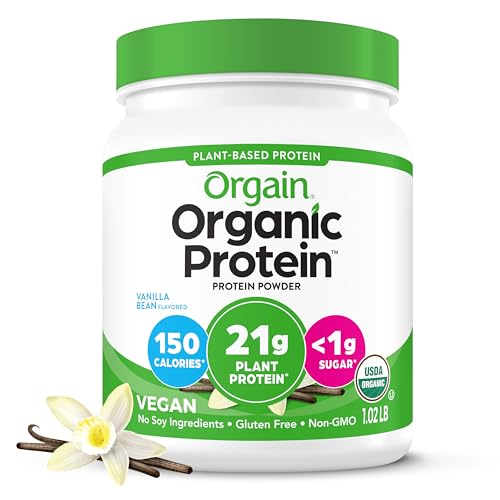
Orgain Organic Vegan Protein Powder Vanilla Bean 1.02 lb
- ✓ Cleaner ingredients
- ✓ Versatile mixing options
- ✓ Tastes naturally good
- ✕ Slightly pricey
- ✕ Mild vanilla flavor
| Protein Content per Serving | 21 grams of organic plant-based protein |
| Sugar Content per Serving | <1 gram |
| Calories per Serving | 150 calories |
| Serving Size | 2 scoops (approximately 30 grams) |
| Ingredients | Organic peas, brown rice, mung bean, chia seeds |
| Certifications | USDA Organic, Non-GMO, Vegan, Gluten-Free, Kosher |
You know that frustrating moment when you reach for a protein powder and find a long list of artificial ingredients, added sugars, or questionable additives? Well, with the Orgain Organic Vegan Protein Powder in Vanilla Bean, those worries just melt away.
The moment I opened the container, I noticed how clean and simple the ingredients list was—no artificial colors, flavors, or preservatives. The powder has a smooth, fine texture, and the vanilla bean scent is natural and inviting, not overwhelming.
Mixing it up is a breeze. It dissolves well in water, almond milk, or even in a smoothie.
I appreciate how versatile it is—great for blending into oats or baking. The taste is pleasantly vanilla-forward, not too sweet, with a subtle earthiness from the plant-based ingredients.
Each scoop packs 21 grams of organic protein from peas, brown rice, mung bean, and chia seeds, providing all nine essential amino acids. Plus, there’s 4 grams of prebiotic fiber, which helps support gut health.
I found it satisfying and energizing without feeling heavy or greasy.
What really stood out is how transparent the brand is about quality—certified USDA Organic, non-GMO, vegan, gluten-free, and kosher. It feels good knowing I’m fueling my body with safe, wholesome ingredients.
Overall, it’s a solid choice for anyone wanting a clean, plant-based protein that’s easy to incorporate into daily routines. No artificial junk, just pure, nourishing fuel you can trust.
Dymatize ISO100 Protein Powder, 100% Whey Isolate, Gourmet

- ✓ High-quality whey isolate
- ✓ Fast absorption and digestion
- ✓ Great flavor and mixability
- ✕ Slightly pricier than some
- ✕ Limited flavor options
| Protein Content per Serving | 25 grams of protein |
| BCAA Content | 5 grams of BCAA per serving |
| Fat Content | 1 gram of fat per serving |
| Sugar Content | 1 gram of sugar per serving |
| Calories per Serving | Less than 120 calories |
| Protein Type | Whey Isolate (hydrolyzed for rapid absorption) |
When I first tried Dymatize ISO100 Protein Powder, I was immediately impressed by its smooth texture and inviting Gourmet flavor. It’s clear that this is a high-quality protein, designed to support muscle growth with rapid absorption thanks to its small peptide breakdown. Plus, the fact that it’s made in the USA adds a reassuring touch of quality control. The Dymatize ISO100 Protein Powder, 100% Whey Isolate, Gourmet is a standout choice in its category.
One of the standout features is the macro profile—25 grams of protein paired with just 1 gram of sugar and 1 gram of fat per serving, making it a perfect choice for clean eating. I also appreciated how easy it was to mix with water or almond milk, creating a creamy, delicious drink that didn’t clump or leave a gritty aftertaste. When comparing different best safe protein powder options, this model stands out for its quality.
Whether you’re a gym veteran or just starting your fitness journey, Dymatize ISO100 supports your goals with 5 grams of BCAA to aid recovery. Overall, this protein powder confidently pushes the boundaries of what a safe, effective protein supplement should be, all at a reasonable $42.48 for a tub that delivers consistent quality. It’s a versatile, reliable choice for anyone serious about their nutrition.
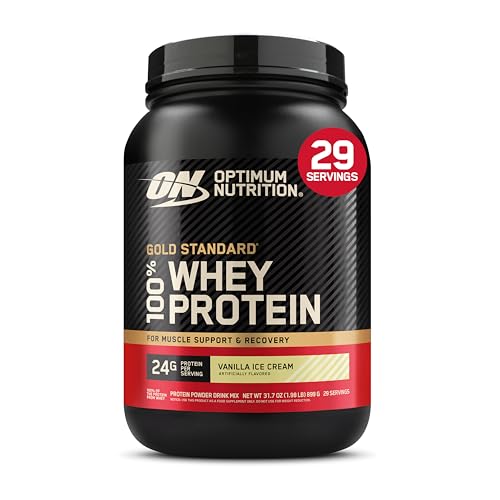
Optimum Nutrition Gold Standard Whey Vanilla, 2LB
- ✓ Excellent mixability
- ✓ Great vanilla flavor
- ✓ High-quality ingredients
- ✕ Slightly pricier
- ✕ Limited flavor options
| Protein Content per Serving | 24 grams of whey protein |
| Protein Sources | Whey protein isolate and concentrate |
| Amino Acid Content | 5.5 grams of BCAAs and 11 grams of EAAs per scoop |
| Mixing Instructions | Dissolve one scoop in 6-8 oz of water, milk, or beverage |
| Formulation Type | Instantized for easy mixing with no clumps |
| Serving Size | Approximately 20 seconds of shaking or blending |
Ever grab a protein powder that ends up clumping together in your shaker, making your morning routine more frustrating than it needs to be? That’s exactly what I experienced with some brands—until I tried the Optimum Nutrition Gold Standard Whey Vanilla.
This powder is a game-changer because it dissolves instantly, no matter how vigorously you shake or stir. The texture is smooth, and there’s no gritty residue, which makes it perfect for quick post-workout drinks or a protein boost between meals.
The vanilla flavor is rich but not overpowering, adding a pleasant sweetness that blends well with water or milk. It’s versatile enough to mix into smoothies or oatmeal if you’re feeling creative.
The scoop is a comfortable size, and you only need about 20 seconds of mixing to get a creamy, clump-free drink.
What really stands out is the blend of whey isolate and concentrate, providing 24 grams of high-quality protein per scoop. Plus, the inclusion of 5.5 grams of BCAAs and 11 grams of EAAs helps speed up recovery after tough workouts, so you feel less sore and more ready for the next session.
It’s reassuring to know this product is tested for banned substances, giving you peace of mind about safety and purity. The taste, mixability, and proven quality make it a reliable choice for anyone serious about their training and recovery.
Overall, this protein powder hits all the right notes—great flavor, easy mixing, and safe ingredients. It’s become a staple in my routine, especially when I want a quick, effective protein hit without any hassle.
What Makes a Protein Powder Safe for Consumption?
When considering the best safe protein powder for consumption, several factors contribute to its safety and effectiveness.
- Quality of Ingredients: High-quality protein powders should use clean, minimally processed ingredients without artificial additives or fillers. Checking for third-party testing can ensure that the product is free from contaminants such as heavy metals or harmful substances.
- Type of Protein Source: The source of protein, whether it be whey, casein, plant-based, or egg, plays a crucial role in safety. Some individuals may have allergies or intolerances to certain protein sources, so it’s important to choose a powder that aligns with dietary needs.
- Nutritional Profile: A safe protein powder should provide a balanced nutritional profile, including amino acids, vitamins, and minerals. It should not contain excessive amounts of sugar, sodium, or unhealthy fats, which can pose health risks over time.
- Manufacturing Standards: Protein powders should be produced in facilities that adhere to strict Good Manufacturing Practices (GMP). This ensures that the product is manufactured under controlled conditions, reducing the risk of contamination or mislabeling.
- Customer Reviews and Reputation: Researching customer reviews and the brand’s reputation can provide insights into the safety and efficacy of the protein powder. Brands with positive feedback and transparent practices often indicate a higher level of trustworthiness.
- Allergen Information: It is essential to check for allergen information on the label. Safe protein powders will clearly outline whether they contain common allergens like dairy, soy, gluten, or nuts, helping consumers avoid adverse reactions.
- Expiration Date and Storage Recommendations: A safe protein powder should have a clear expiration date and specific storage instructions to maintain its quality. Proper storage helps prevent spoilage and ensures that the powder remains effective for its intended use.
Which Ingredients Should I Avoid in Protein Powders?
When selecting a protein powder, it’s essential to be aware of certain ingredients that may pose health risks or diminish the quality of the product. Here are some ingredients to avoid:
- Artificial Sweeteners: These are often included to enhance flavor without added calories, but they can cause digestive issues and may be linked to various health concerns.
- Excessive Sugar: Some protein powders contain high levels of sugar to improve taste, which can lead to weight gain and negatively impact blood sugar levels.
- Fillers and Thickeners: Ingredients like maltodextrin or guar gum are often used to improve texture but can contribute to digestive discomfort and may not provide any nutritional benefits.
- Heavy Metals: Certain protein powders, especially those derived from plants, can contain contaminants like lead, arsenic, or cadmium, which are harmful when consumed over time.
- Gluten: For individuals with gluten sensitivity or celiac disease, gluten-containing protein powders can cause serious health issues, making it crucial to choose gluten-free options.
- Animal Byproducts: Some protein powders may include ingredients derived from animal sources, which can be a concern for vegetarians or those with dietary restrictions.
- Unverified Proprietary Blends: These blends often do not disclose the exact amounts of each ingredient, making it difficult to assess their safety and effectiveness.
Artificial sweeteners, such as aspartame and sucralose, can lead to gastrointestinal discomfort for some people and may have adverse effects on metabolism and gut health. It’s advisable to opt for protein powders that use natural sweeteners like stevia or monk fruit instead.
Excessive sugar in protein powders can contribute to unwanted calorie intake and potential health issues like insulin resistance. Checking the label for added sugars and opting for products with minimal or no sugar can help maintain a healthier diet.
Fillers and thickeners like maltodextrin are often used to bulk up protein powders but provide little nutritional value. These ingredients can also cause bloating and discomfort, especially for those with sensitive stomachs.
Heavy metals are a significant concern, particularly for plant-based protein powders. Regular consumption of contaminated protein can accumulate harmful substances in the body, leading to serious health risks over time, so it’s important to choose brands that undergo rigorous testing for purity.
For individuals with gluten intolerance or celiac disease, consuming protein powders with gluten can trigger severe reactions. It’s vital to read labels carefully and select products that are certified gluten-free.
Animal byproducts in protein powders can be problematic for vegetarians or those avoiding animal products for ethical or health reasons. Choosing plant-based protein powders ensures compliance with vegetarian or vegan diets.
Unverified proprietary blends can obscure the actual ingredient quantities in a protein powder, making it challenging to evaluate its efficacy and safety. Look for products that provide full transparency about their ingredient composition.
What Labels Indicate a Protein Powder is Safe?
When evaluating the safety of a protein powder, certain labels can provide assurance regarding its quality and safety.
- Third-Party Tested: This label indicates that the protein powder has undergone independent testing by a reputable organization to verify its contents and ensure it is free from harmful substances. Such testing typically checks for contaminants like heavy metals, pesticides, and microbes, giving consumers confidence in the product’s safety.
- GMP Certified: Good Manufacturing Practices (GMP) certification signifies that the product is manufactured in facilities that adhere to strict quality control standards. This label ensures that the protein powder is produced consistently and meets quality requirements, minimizing the risk of contamination and ensuring product integrity.
- Non-GMO: A non-GMO label indicates that the protein powder does not contain ingredients that have been genetically modified. This can be important for consumers concerned about the long-term health effects of genetically engineered foods and prefer products that are made from natural sources.
- Gluten-Free: This label ensures that the protein powder does not contain gluten, making it suitable for individuals with celiac disease or gluten sensitivity. It also generally indicates a greater attention to ingredient sourcing and manufacturing processes to avoid cross-contamination.
- Organic: An organic certification means that the protein powder is made from ingredients that are grown without the use of synthetic pesticides, herbicides, or fertilizers. This label can be a strong indicator of a higher standard of safety and environmental responsibility, appealing to health-conscious consumers.
- Allergen-Free: Products labeled as allergen-free are produced in facilities that take steps to avoid cross-contamination with common allergens such as dairy, soy, and nuts. This is crucial for individuals with allergies or sensitivities who need to avoid these ingredients for their health and safety.
- Clean Label: A clean label indicates that the product contains minimal ingredients that are easy to understand and pronounce, usually implying no artificial additives, preservatives, or fillers. This transparency can help consumers make informed choices and feel safer about what they are consuming.
What Are the Health Benefits of Consuming Safe Protein Powders?
Consuming safe protein powders can offer numerous health benefits, particularly when selecting high-quality options.
- Muscle Growth and Repair: Safe protein powders provide essential amino acids that are crucial for muscle protein synthesis. They help in repairing muscles after exercise, promoting recovery and growth, which is vital for athletes and fitness enthusiasts.
- Weight Management: Incorporating safe protein powders into your diet can aid in weight management by increasing satiety. Protein is more filling than carbohydrates or fats, which can help reduce overall calorie intake and support weight loss efforts.
- Convenient Nutritional Source: Protein powders offer a quick and convenient way to increase protein intake, especially for those with busy lifestyles. They can be easily mixed into smoothies, oatmeal, or baked goods, making it simpler to meet daily protein needs.
- Supports Immune Function: Certain protein powders, particularly those that contain whey or other dairy proteins, can support immune health due to their high levels of immunoglobulins and lactoferrin. These components can enhance the body’s defense mechanisms and improve overall health.
- Improved Muscle Retention with Aging: As individuals age, maintaining muscle mass becomes increasingly important. Safe protein powders can help counteract muscle loss associated with aging by providing the necessary nutrients to support muscle maintenance and strength.
- Enhanced Recovery: Consuming protein powder post-workout can significantly enhance recovery times. The amino acids in protein powders can help to reduce muscle soreness and expedite the healing process after intense physical activity.
- Supports Metabolism: A higher protein intake can boost metabolic rate due to the thermogenic effect of food, meaning your body burns more calories during digestion. Protein powders can facilitate this process, aiding in overall metabolic health.
How Can Safe Protein Powders Support Muscle Gain and Recovery?
Safe protein powders can be instrumental in supporting muscle gain and recovery through various means.
- High-Quality Protein Source: Safe protein powders often contain whey, casein, or plant-based proteins that are rich in essential amino acids necessary for muscle repair and growth. These proteins help to stimulate muscle protein synthesis, which is crucial after resistance training.
- Convenient Nutrient Delivery: Protein powders provide an easy and quick way to consume protein, especially post-workout when your body needs nutrients the most. They can be mixed with water or milk to create a fast-digesting shake that can enhance recovery times.
- Low in Additives: The best safe protein powders typically avoid harmful additives and fillers, providing a cleaner source of nutrition. This ensures that you are fueling your body with pure protein without unwanted chemicals that could hinder performance or health.
- Supports Weight Management: Protein can aid in maintaining a healthy weight by promoting satiety and reducing overall calorie intake. When used as part of a balanced diet, safe protein powders can help preserve lean muscle mass while assisting in fat loss.
- Enhanced Muscle Recovery: Certain protein powders are enriched with additional recovery ingredients, such as branched-chain amino acids (BCAAs) and glutamine, which can further support muscle repair and reduce soreness after intense workouts. This combination can lead to quicker recovery times, allowing for more consistent training sessions.
Are There Unique Benefits of Plant-Based Safe Protein Powders?
Digestibility: Plant-based proteins are generally easier to digest for many individuals, reducing the likelihood of gastrointestinal discomfort that can sometimes accompany whey or casein protein powders. The absence of lactose and other animal-based components helps ensure a smoother digestive experience.
Sustainable Source: Plant-based protein powders are typically more environmentally sustainable compared to animal-based proteins, requiring fewer resources such as water and land to produce. Choosing plant protein contributes to a lower carbon footprint and supports more sustainable agricultural practices.
Supports a Healthy Gut: Many plant proteins contain dietary fiber, which supports gut health and can aid in digestion and regularity. This is particularly beneficial for individuals looking to improve digestive function while also increasing their protein intake.
Versatile Use: These powders can be easily incorporated into various recipes, including smoothies, baked goods, and protein bars, providing a convenient way to boost protein intake. Their neutral flavor profiles often blend seamlessly into different foods, making it simple to enhance nutritional content without altering taste.
What are the Top Safe Protein Powder Options Currently Available?
The top safe protein powder options currently available include:
- Whey Protein Isolate: Whey protein isolate is a high-quality protein derived from milk, containing minimal lactose, making it suitable for lactose-intolerant individuals. It is quickly absorbed by the body, providing essential amino acids that support muscle recovery and growth, and is often regarded for its effectiveness in promoting muscle synthesis.
- Pea Protein: Pea protein is a plant-based protein sourced from yellow split peas, making it an excellent choice for vegans and vegetarians. It is rich in essential amino acids, particularly arginine, and is easily digestible, providing a hypoallergenic alternative for those with dairy or gluten sensitivities.
- Brown Rice Protein: Brown rice protein is made from whole grain brown rice and is a great option for those seeking a vegan protein source. Although it is lower in lysine, it is easily digestible and often combined with other plant proteins to create a complete amino acid profile, making it a versatile ingredient for smoothies and baked goods.
- Egg White Protein: Egg white protein is derived from the whites of eggs and is a high-quality protein source that is low in calories and fat. It contains all nine essential amino acids and is absorbed efficiently by the body, making it a great option for those looking to build muscle without added carbohydrates or fats.
- Hemp Protein: Hemp protein is obtained from hemp seeds and is notable for its high fiber content and healthy omega fatty acids. It provides a complete protein source, containing all essential amino acids, and is rich in vitamins and minerals, making it beneficial for both muscle recovery and overall health.
- Collagen Protein: Collagen protein is derived from animal connective tissues and is known for its benefits to skin, hair, nails, and joint health. While it is not a complete protein as it lacks some essential amino acids, it supports overall wellness and can complement other protein sources in a balanced diet.
How Do These Recommended Powders Compare in Nutritional Value?
| Protein Powder | Protein Content | Calories | Carbohydrates | Sugar | Serving Size | Protein Source | Flavor Options | Price per Serving |
|---|---|---|---|---|---|---|---|---|
| Protein Powder A | 25g per serving – High protein source | 120 – Low calorie option | 3g – Minimal carbs | 1g – Low sugar content | 30g – Standard serving size | Whey – Derived from milk | Chocolate, Vanilla – Various flavors | $1.50 – Affordable |
| Protein Powder B | 20g per serving – Good protein amount | 150 – Moderate calorie count | 5g – Slightly higher carbs | 2g – Low sugar content | 30g – Standard serving size | Plant-based – Vegan option | Vanilla, Berry – Various flavors | $2.00 – Moderate cost |
| Protein Powder C | 30g per serving – Very high protein | 180 – Higher calorie option | 2g – Very low carbs | 0g – Sugar-free | 30g – Standard serving size | Egg – High-quality source | Chocolate, Unflavored – Various flavors | $2.50 – Higher cost |
What Potential Risks Are Associated With Unsafe Protein Powders?
The potential risks associated with unsafe protein powders include:
- Contamination: Many protein powders can be contaminated with harmful substances like heavy metals, pesticides, or bacteria during the manufacturing process. These contaminants can pose serious health risks, including organ damage or infections.
- Incorrect Labeling: Some protein powders may not accurately list their ingredients or the amounts of protein they contain. This can lead to consumers unknowingly consuming allergens or not getting the expected nutritional benefits, which can be particularly dangerous for individuals with dietary restrictions.
- Excessive Additives: Unsafe protein powders often contain artificial sweeteners, fillers, and other additives that can have negative health effects. These substances can lead to gastrointestinal issues, allergic reactions, or long-term health problems if consumed frequently.
- Unregulated Claims: Many protein powders make unverified claims about their health benefits or effectiveness. This can mislead consumers into believing they are purchasing a superior product when, in fact, it may not provide the promised advantages, potentially resulting in wasted money and unmet fitness goals.
- Imbalance of Amino Acids: Some protein powders may have an imbalanced amino acid profile, which can affect muscle recovery and growth. Consuming a protein source that lacks essential amino acids can hinder overall protein synthesis and detract from athletic performance.
What Side Effects Should I Be Aware of When Choosing Protein Powders?
When choosing protein powders, it’s important to be aware of potential side effects that may arise from their consumption.
- Gastrointestinal Issues: Some individuals may experience bloating, gas, or stomach cramps after consuming protein powders, especially those that contain lactose or artificial sweeteners. These reactions are more common in whey protein or certain plant-based proteins that can be difficult to digest for some people.
- Kidney Strain: High protein intake can put additional strain on the kidneys, particularly in individuals with pre-existing kidney conditions. While generally safe for healthy individuals, excessive protein consumption from supplements may lead to long-term complications in those with kidney issues.
- Allergic Reactions: Certain protein powders, particularly those derived from dairy, eggs, or specific plants, can trigger allergic reactions in susceptible individuals. Symptoms might include hives, swelling, or difficulty breathing, and it’s crucial to read labels carefully if you have known allergies.
- Nutrient Imbalance: Relying heavily on protein powders may lead to an imbalance in nutrient intake, as they might not provide the full spectrum of vitamins and minerals found in whole foods. This can result in deficiencies over time if protein powders replace other food sources in the diet.
- Weight Gain: Some protein powders are high in calories and can contribute to weight gain if not monitored. It’s essential to consider the caloric content of the protein powder and adjust overall dietary intake accordingly to avoid unintended weight gain.
- Contaminants: Certain protein powders may contain harmful substances or contaminants, such as heavy metals, depending on the manufacturing process. It’s advisable to choose products that have been third-party tested for purity and safety to minimize risks associated with these contaminants.
How Should I Incorporate Protein Powder Safely into My Diet?
Incorporating protein powder into your diet can be beneficial if done safely and effectively. Here are some important considerations:
- Choose Quality Protein Powder: Look for protein powders that are third-party tested for purity and label accuracy. High-quality options often include whey, casein, pea, or brown rice protein, which should be free from harmful additives, fillers, and artificial sweeteners.
- Start with a Small Serving: If you’re new to protein powder, begin with a small serving to assess your body’s tolerance. Gradually increase the amount while monitoring for any digestive issues or allergic reactions, allowing your body to adapt to the additional protein intake.
- Balance Your Diet: Use protein powder as a supplement, not a replacement for whole food sources of protein. Aim to include a variety of protein sources in your diet, such as lean meats, legumes, nuts, and dairy, to ensure a well-rounded nutrient profile.
- Stay Hydrated: Increasing protein intake can require more water for proper digestion and metabolism. Be sure to drink adequate fluids throughout the day to help your body process the additional protein and prevent dehydration.
- Consult a Healthcare Professional: If you have existing health conditions or dietary restrictions, consult a healthcare provider or a registered dietitian before adding protein powder to your diet. They can provide personalized advice and ensure that it aligns with your health goals.
What Dosage is Considered Safe for Daily Consumption?
The best safe protein powder options consider dosage, ingredients, and individual health factors.
- Whey Protein: Generally, a safe daily dosage of whey protein is around 20-30 grams, which can help support muscle recovery and growth. It is rich in essential amino acids and is quickly absorbed by the body, making it a popular choice among athletes and fitness enthusiasts.
- Casein Protein: A daily intake of 20-30 grams of casein protein is also recommended. Casein digests slowly, providing a sustained release of amino acids, which can be beneficial for overnight muscle recovery or as a meal replacement.
- Plant-Based Protein: For plant-based protein powders, a safe dosage typically ranges from 15 to 25 grams per day. These powders often combine multiple sources, such as pea, rice, or hemp protein, and are ideal for those with dietary restrictions or preferences for vegan options.
- Egg White Protein: A daily intake of around 20 grams is considered safe for egg white protein. This option is high in protein and low in calories, making it suitable for those looking to increase their protein intake without added fats or carbohydrates.
- Collagen Protein: A dosage of 10-20 grams per day is recommended for collagen protein, which supports skin, joint, and gut health. While not a complete protein source, collagen can complement a balanced diet and provide specific health benefits.