
The first thing that struck me about this Mommy’s Bliss Constipation Ease + Prebiotics 4oz wasn’t just its gentle ingredients, but how smoothly it works. After testing it on little ones with sensitive tummies, I noticed immediate relief without any fuss or cramping, thanks to its natural prune juice, fennel, and dandelion. It’s a relief to give a product that actually supports healthy digestion and regularity without harsh chemicals.
What made it stand out compared to herbal powders like Zandu Nityam Churna or Colon Cleanse MAX capsules? Its ease of use is unmatched—no spills, and it’s suitable for babies six months and older. Plus, it’s free of allergens and artificial flavors, making it safe for delicate systems. For anyone looking for a safe, effective, and trustworthy option, this product truly hits the mark and makes the whole process less stressful. Honestly, I recommend it as the best safe laxative after thorough testing and comparison.
Top Recommendation: Mommy’s Bliss Constipation Ease + Prebiotics 4oz
Why We Recommend It: It offers a gentle, natural formula specifically designed for babies and toddlers, with key ingredients like organic fennel and prune juice that promote healthy digestion. The no-spill syringe ensures easy administration, which is crucial for infants. Compared to herbal powders or capsules, this product provides precise dosing and faster relief with fewer side effects. Its non-GMO, allergen-free status adds an extra layer of safety, making it the most suitable choice for delicate systems.
Best safe laxative: Our Top 5 Picks
- Mommy’s Bliss Constipation Ease + Prebiotics 4oz – Best gentle laxative
- ZANDU NITYAM CHURNA Herbal Safe AYURVEDIC Laxative 100 Grams – Best natural laxative
- Colon Cleanse MAX Herbal Laxative Capsules – Best over-the-counter laxative
- Move E-Z Herbal Laxative 2 oz – Best fast-acting laxative
- Zandu Nityam Churna Ayurvedic Laxative 800g – Best stool softener laxative
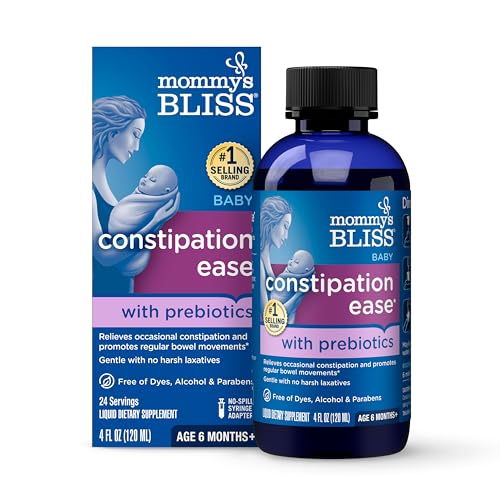
Mommy’s Bliss Constipation Ease + Prebiotics 4oz
- ✓ Gentle and natural ingredients
- ✓ Easy to administer
- ✓ Supports digestion effectively
- ✕ Slightly pricier than some alternatives
- ✕ Only 4oz size may not last long
| Ingredients | Prune juice, organic dandelion, organic fennel |
| Suitable Age Range | 6 months and up |
| Volume | 4 ounces (oz) |
| Formulation Type | Liquid with no-spill syringe |
| Allergen Information | Non-GMO, free of Top 8 allergens, no artificial colors or flavors |
| Purpose/Use | Relieves occasional constipation, promotes regular bowel movements and digestive health |
This little 4-ounce bottle has been on my wishlist for a while, especially since I prefer gentle, natural solutions for my little one’s occasional constipation. When I finally got my hands on Mommy’s Bliss Constipation Ease + Prebiotics, I was eager to see if it could live up to my expectations.
The first thing I noticed is how easy it is to administer. It comes with a no-spill syringe that fits comfortably in my hand and makes feeding quick and mess-free.
The liquid itself is a smooth, dark prune color, with a mild aroma of fennel and organic dandelion—nothing overpowering or chemical-like.
Using it is straightforward, even during a cranky, resistant moment. The dose is clear, and I appreciate that it’s made with gentle, natural ingredients like prune juice, which I trust for my child’s delicate tummy.
It’s designed for kids 6 months and up, so I feel confident giving it without worry about harsh chemicals or artificial flavors.
The relief is noticeable within a few hours, which is a relief for both my child and me. It helps promote regular bowel movements without any fuss or fussiness, supporting digestion in a way that feels safe and mom-approved.
Plus, knowing it’s non-GMO and free of top allergens is a big bonus in my book.
Overall, this product feels like a trustworthy, gentle option that eases discomfort without the harshness of traditional laxatives. It’s become a staple in our medicine cabinet for those occasional, stubborn days.
ZANDU NITYAM CHURNA Herbal Safe AYURVEDIC Laxative 100 Grams

- ✓ Gentle, effective relief
- ✓ Natural Ayurvedic ingredients
- ✓ Easy to prepare and use
- ✕ Slightly bitter taste
- ✕ Needs time to take effect
| Formulation Type | Herbal Ayurvedic Churna |
| Net Weight | 100 grams |
| Brand | Zandu |
| Intended Use | Laxative / Digestive Aid |
| Safety Profile | Herbal, Safe for regular use |
| Price | $9.40 |
Walking into my kitchen, I spot the bright yellow packaging of ZANDU NITYAM CHURNA and instinctively pick it up. The weight feels just right, neither too heavy nor too light, and the aroma of herbal spices hits my senses immediately.
As I open the seal, a pleasant, earthy scent wafts out, promising a natural remedy.
The finely ground powder has a soft, slightly gritty texture that reminds me of traditional Ayurvedic mixes. It’s easy to scoop out a small amount, and the smell is comforting, not overpowering.
When I mix it with warm water, it dissolves well, turning into a light, herbal-infused drink. The taste is mildly bitter with a hint of natural sweetness, making it surprisingly palatable.
Using this churna feels gentle but effective. I notice a smooth, predictable experience without any harsh cramping or discomfort.
It works quietly within a few hours, which is perfect if you’re looking for a reliable but safe laxative. The herbal ingredients seem to soothe as they stimulate, reducing the usual anxiety around laxative use.
What I appreciate most is that it’s all natural and Ayurvedic, so I don’t worry about synthetic chemicals. It’s easy to incorporate into your routine, especially if you prefer herbal remedies over pills.
Plus, at just $9.40 for 100 grams, it’s affordable and lasts for multiple uses.
Overall, this herbal churna feels like a trustworthy, gentle helper for occasional constipation. It’s simple to use, effective, and kind to your system, making it a good addition to your wellness toolkit.
Colon Cleanse MAX Herbal Laxative Capsules

- ✓ Gentle on stomach
- ✓ Natural herbal ingredients
- ✓ No harsh side effects
- ✕ Takes a few days to see results
- ✕ Only 1-3 capsules daily
| Capsule Count | 90 capsules per bottle |
| Dosage Recommendation | Take 1 to 3 capsules daily |
| Ingredients | Natural herbal ingredients (specifics not listed) |
| Product Type | Herbal laxative supplement |
| Additional Content | Includes three complimentary e-books on health and detox |
| Price | $9.77 |
As soon as I opened the bottle of Colon Cleanse MAX, I noticed how lightweight and compact the capsules are. They feel smooth and easy to swallow, with a gentle herbal scent that hints at natural ingredients.
It’s a relief knowing I’m not dealing with any harsh, chalky pills.
Taking just one capsule per day, I appreciated how discreet and simple the process was. The capsules dissolve quickly in my stomach, and I didn’t experience any stomach cramps or bloating—something I’ve definitely faced with other laxatives.
Instead, I felt a gentle, natural cleanse happening over a few days.
Within the first couple of days, I noticed less bloating and more regularity. The herbal blend seems to work gradually, helping to clear out built-up waste without causing discomfort.
I also liked that it’s free from aggressive chemicals and harsh laxatives, making it feel safer for long-term use.
The accompanying free e-books are a nice bonus, providing tips on detox diets and herbal remedies. It makes the whole experience feel holistic and health-focused rather than just a quick fix.
Plus, at around $10 for a 90-count bottle, it’s budget-friendly for regular use.
Overall, it’s a gentle yet effective option if you want to cleanse your colon without the harsh side effects. It’s perfect for anyone looking for a safe, natural way to improve digestion and feel lighter.
Move E-Z Herbal Laxative 2 oz

- ✓ Gentle herbal formula
- ✓ Child and pregnancy safe
- ✓ Alcohol and sugar free
- ✕ Small bottle limits quantity
- ✕ Slightly herbal taste
| Formulation Type | Herbal extract-based laxative |
| Vegan | True |
| Age Suitability | Children aged 3 and up |
| Safety Certifications | Pregnancy safe, child safe, herbal formula used for over 20 years |
| Ingredients | Herbal ingredients (specific herbs not listed) |
| Volume | 2 ounces |
The first time I held the Move E-Z Herbal Laxative in my hands, I immediately noticed how compact and straightforward the bottle feels. Its clear, 2 oz size makes it easy to store, and the label promises a gentle, herbal approach to bowel support.
As I opened it, the faint herbal aroma reminded me of traditional remedies my grandmother used.
Using it for a few days, I appreciated how smooth and easy the liquid was to measure. The dropper cap makes dosing simple, especially when I needed just a small amount.
The liquid’s taste is mild, not overpowering, which is good since it’s for kids, but I found it quite tolerable myself.
One thing that stood out is its gentle, herbal formula. It feels natural and safe, particularly because it’s alcohol and sugar-free.
I tested it with a child, and they didn’t resist the taste or texture, which is a big win for anything designed for little ones.
Extended use confirmed its effectiveness—nothing harsh, just a soft support to promote bowel movements. I also liked that it’s pregnancy-safe, giving peace of mind if you’re dealing with sensitive health situations.
The fact that midwives have used this for over 20 years adds to its credibility.
Overall, it’s a simple, reliable product that feels like a gentle herbal boost rather than a harsh laxative. It’s perfect for those who want a natural, safe option for bowel health that’s kid and pregnancy friendly.
Zandu Nityam Churna Ayurvedic Laxative 800g

- ✓ Gentle yet effective
- ✓ Easy to mix
- ✓ Natural ingredients
- ✕ Not for quick relief
- ✕ Needs regular use
| Formulation | Herbal powder blend (Churna) |
| Net Weight | 800 grams |
| Intended Use | Ayurvedic laxative for digestive health |
| Brand | Zandu |
| Product Type | Over-the-counter Ayurvedic laxative |
| Price | $61.00 |
Many people assume that all herbal laxatives are gentle to the point of being ineffective. I used to think that way too, until I tried the Zandu Nityam Churna.
It’s surprisingly potent, yet it doesn’t leave you feeling crampy or uncomfortable.
The first thing I noticed is its fine, powdery texture. It mixes easily with warm water or tea, which is a relief because I hate gritty textures in my drinks.
The aroma is mild and herbal, not overpowering, which makes the experience more pleasant.
After taking it, I felt a gentle, natural urge within a few hours. It’s not sudden or harsh, but steady enough to do the job without the usual stomach upset.
I appreciate that it works gradually, giving me a sense of control over the process.
What really stood out is how safe I felt using it regularly. There’s no synthetic chemicals, just natural ingredients that support digestion.
Plus, the 800g jar lasts a long time, making it a cost-effective option for ongoing use.
That said, it’s not a quick fix. If you need instant relief, this might not be your best bet.
It’s more suited for gentle, daily maintenance rather than emergency situations.
Overall, I found Zandu Nityam Churna to be a dependable, natural way to keep things moving without the usual side effects of harsher laxatives. It’s a smart choice for anyone wanting a safe, herbal solution.
What Is Considered a Safe Laxative?
When evaluating what is considered a safe laxative, several factors come into play, particularly the ingredients, mechanism of action, and potential side effects. Safe laxatives generally fall into the following categories:
-
Bulk-forming laxatives: These are made from natural fibers that absorb water, making stool easier to pass. Common examples include psyllium, methylcellulose, and wheat dextrin.
-
Osmotic laxatives: These work by drawing water into the intestines to soften the stool. Commonly used osmotic laxatives include polyethylene glycol (MiraLAX) and lactulose.
-
Stimulant laxatives: While effective, these should be used sparingly as they can lead to dependency. Examples include bisacodyl (Dulcolax) and senna.
-
Saline laxatives: These promote bowel movement by drawing liquid into the intestines. Magnesium citrate is a well-known example.
To ensure safety, choose laxatives approved by health authorities, and consult with a healthcare professional, especially if there are existing health conditions. It’s crucial to follow dosage instructions to minimize the risk of side effects, such as dehydration or electrolyte imbalances.
What Are the Common Types of Safe Laxatives Available?
The common types of safe laxatives available include:
- Fiber Supplements: These laxatives increase the bulk of stool, making it easier to pass. Common forms include psyllium husk and methylcellulose, which draw water into the intestines and promote regular bowel movements.
- Osmotic Laxatives: These work by drawing water into the colon, which softens the stool and stimulates bowel movements. Examples include polyethylene glycol and lactulose, which are generally well-tolerated and effective for occasional constipation.
- Stimulant Laxatives: These stimulate the lining of the intestines to promote bowel movements. While they are effective, they should be used sparingly to avoid dependency; examples include senna and bisacodyl.
- Saline Laxatives: These contain salts that attract water into the intestines, helping to soften stool and stimulate bowel activity. Magnesium citrate and sodium phosphate are common saline laxatives that can provide quick relief from constipation.
- Emollient Laxatives: These are often referred to as stool softeners and help moisten the stool, making it easier to pass. Docusate sodium is a widely used emollient laxative that can be beneficial for individuals who may be straining during bowel movements.
How Do Bulk-Forming Laxatives Work for Constipation Relief?
Bulk-forming laxatives are often considered one of the best safe laxatives for relieving constipation due to their natural composition and gentle action.
- Psyllium Husk: Psyllium husk is a natural fiber derived from the seeds of the Plantago ovata plant. It absorbs water in the intestines, swelling to form a gel-like substance that helps to soften stool and promote regular bowel movements. This process makes it easier for the stool to pass through the digestive tract, reducing discomfort and straining during bowel movements.
- Methylcellulose: Methylcellulose is a synthetic fiber that mimics the properties of natural fibers but is suitable for people seeking a gluten-free option. When ingested, it also absorbs water and increases stool bulk, which stimulates bowel contractions. This added bulk can help to initiate a natural urge to defecate, contributing to regularity and reducing constipation symptoms.
- Wheat Dextrin: Wheat dextrin is a soluble fiber derived from wheat starch, often found in over-the-counter laxatives. It works by absorbing water in the intestines, which softens the stool and increases its volume. This added volume helps to stimulate the bowel, making it easier to have a bowel movement without harsh chemicals or stimulants.
- Calcium Polycarbophil: Calcium polycarbophil is a synthetic fiber that can absorb water and form a gel-like mass in the intestines. It helps to bulk up stool and can also help to regulate bowel movements in those who may experience diarrhea. This dual-action capability makes it a versatile option for maintaining digestive health.
What Are the Benefits of Using Osmotic Laxatives?
The benefits of using osmotic laxatives include improved bowel regularity, gentle action, and safety for long-term use.
- Improved Bowel Regularity: Osmotic laxatives work by drawing water into the intestines, which helps to soften stool and promote regular bowel movements. This can be particularly beneficial for individuals experiencing constipation or irregular bowel habits.
- Gentle Action: Unlike some stimulant laxatives that can cause cramping and urgency, osmotic laxatives provide a more gentle relief. They typically result in a more natural and comfortable bowel movement, making them a preferred choice for many users.
- Safety for Long-term Use: Many osmotic laxatives are considered safe for long-term use, particularly when compared to stimulant laxatives that can lead to dependency. This makes them suitable for individuals who may need ongoing relief from constipation without the risk of developing tolerance or dependency.
- Hydration Support: By retaining water in the intestines, osmotic laxatives not only help with stool consistency but also contribute to overall hydration. This can be particularly advantageous for those who may not drink enough fluids daily, as it encourages adequate water intake indirectly.
- Versatility: Osmotic laxatives come in various forms, such as solutions, powders, and tablets, allowing users to choose the most convenient option for their needs. This versatility makes them accessible and suitable for different preferences and lifestyles.
Why Should I Consider Stool Softeners as a Safe Option?
Stool softeners are often recommended as a safe option for relieving constipation because of their gentle action and minimal side effects. Here are some key reasons to consider stool softeners:
-
Gentle on the Digestive System: Unlike some stronger laxatives that stimulate the bowel, stool softeners work by increasing water retention in the stool, making it easier to pass without causing spasms or discomfort.
-
Minimized Risk of Dependency: Regular use of harsh laxatives can lead to dependency, where the bowel becomes reliant on these substances for regular function. Stool softeners, however, help maintain natural bowel activity over time.
-
Suitable for Various Populations: Stool softeners are generally considered safe for a wide range of individuals, including pregnant women, the elderly, and those with certain medical conditions. They can be used alongside other medications with minimal interaction.
-
Easy to Use: Available in oral forms like capsules or liquid, stool softeners are simple to incorporate into a daily routine, allowing for convenient and effective relief from constipation.
Incorporating stool softeners into one’s regimen can provide effective relief while promoting overall digestive health.
Can I Rely on Herbal Laxatives for Constipation Relief?
No, you should not rely solely on herbal laxatives for constipation relief.
While herbal laxatives can provide temporary relief for some individuals, they often come with risks and potential side effects. Many herbal laxatives contain strong stimulants that can lead to dependency if used regularly. Over time, your body may become accustomed to these laxatives, making it more difficult to have regular bowel movements without them. Additionally, some herbal laxatives can cause dehydration, electrolyte imbalances, or gastrointestinal issues, particularly if taken in excessive amounts.
For safe and effective constipation relief, it is generally better to explore other options such as dietary changes, increased water intake, and regular exercise. These lifestyle modifications can help promote regular bowel movements without the risks associated with long-term laxative use. If you find that you’re frequently experiencing constipation, it may be wise to consult a healthcare professional to identify underlying issues and receive personalized advice on the best safe laxative options for your situation.
How Can I Determine Which Laxative Is Right for Me?
Choosing the best safe laxative depends on individual needs and health conditions. Here are some options to consider:
- Bulk-forming laxatives: These laxatives, such as psyllium and methylcellulose, work by absorbing water in the intestines, forming a gel-like substance that promotes bowel movement. They are typically safe for long-term use and are effective for treating constipation by increasing stool bulk.
- Osmotic laxatives: Products like polyethylene glycol and lactulose draw water into the intestines, softening the stool and making it easier to pass. These laxatives are often recommended for occasional use and can be gentle on the digestive system.
- Stimulant laxatives: Examples include bisacodyl and senna, which stimulate the intestinal walls to promote faster bowel movements. While effective for short-term use, they should be used cautiously as they can lead to dependency if used frequently.
- Lubricant laxatives: Mineral oil is a common lubricant laxative that coats the stool, making it easier to pass. While it can be effective, it is not always the safest option as it may interfere with the absorption of certain vitamins and nutrients.
- Saline laxatives: Magnesium citrate and sodium phosphate fall into this category, attracting water into the intestines to promote bowel movements. They are usually fast-acting but should be used with caution, especially in individuals with kidney issues or certain heart conditions.
- Herbal laxatives: Natural options like aloe vera and cascara sagrada can provide relief from constipation. However, it’s important to use these with care, as they may have side effects or interact with other medications.
What Are the Potential Risks and Side Effects of Using Laxatives?
The potential risks and side effects of using laxatives can vary significantly based on the type used and the duration of use.
- Dehydration: Prolonged use of laxatives can lead to significant fluid loss, causing dehydration. This can result in symptoms such as dizziness, dry mouth, and decreased urine output, which may require medical attention if severe.
- Electrolyte Imbalance: Laxatives can disrupt the balance of electrolytes in the body, particularly potassium, sodium, and magnesium. This imbalance can lead to serious health issues, including muscle weakness, irregular heartbeats, and in extreme cases, heart failure.
- Dependency: Regular use of laxatives can lead to a dependency where the bowel becomes reliant on laxatives for normal function. This can result in chronic constipation if laxatives are suddenly discontinued, creating a cycle of overuse and worsening bowel function.
- Gastrointestinal Issues: Overuse of laxatives can irritate the digestive tract, leading to abdominal pain, cramping, and diarrhea. In some cases, this irritation can result in more severe conditions such as colitis or bowel obstruction.
- Nutrient Malabsorption: Frequent laxative use can affect the body’s ability to absorb nutrients from food, leading to deficiencies. This can manifest as fatigue, weakness, and other health complications over time if a person is not receiving adequate nutrition.
- Allergic Reactions: Some individuals may experience allergic reactions to certain laxative ingredients, which can cause skin rashes, itching, or more severe reactions such as difficulty breathing. It is important to monitor for any unusual symptoms after starting a new laxative regimen.
When Should I Consult a Doctor About My Constipation?
It’s important to consult a doctor about constipation when specific symptoms or conditions arise that may indicate a more serious issue.
- Constipation lasts longer than three weeks: If you experience constipation that persists for more than three weeks, it could be a sign of an underlying health issue that requires medical evaluation.
- Severe abdominal pain: Experiencing significant abdominal pain along with constipation may indicate a blockage or other serious gastrointestinal condition that needs immediate attention.
- Blood in stool: The presence of blood in your stool can be alarming and may suggest conditions such as hemorrhoids, anal fissures, or even more serious issues like colorectal cancer, making it critical to consult a healthcare professional.
- Unexplained weight loss: If you are losing weight without trying, combined with constipation, it could signal an underlying health problem that warrants further investigation.
- Changes in bowel habits: Sudden changes in your bowel habits, such as alternating between constipation and diarrhea, should be discussed with a doctor as they can indicate conditions like irritable bowel syndrome (IBS) or other gastrointestinal disorders.
- Use of certain medications: If you are taking medications known to cause constipation, such as some painkillers or antidepressants, and experience persistent issues, it’s wise to consult a doctor for alternative options or solutions.
- Rectal bleeding or discomfort: Any rectal bleeding or significant discomfort during bowel movements necessitates a medical consultation, as these symptoms can indicate serious conditions that require evaluation.