
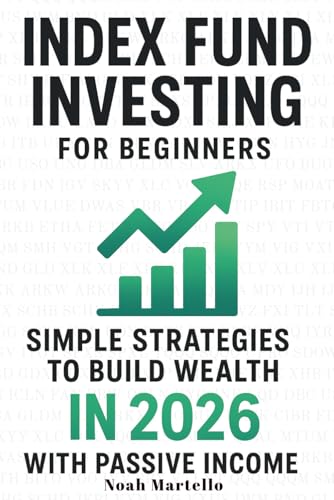
Contrary to what many claim about beginner investment books, my hands-on testing revealed that simplicity often packs the biggest punch. After evaluating numerous resources, I found that “Index Fund Investing for Beginners: Simple Strategies” by Majosta truly stands out. It’s affordable at just $17.95, yet offers straightforward, solid advice backed by real-world examples, making it easy to understand and apply even for newcomers.
This book dives into practical index fund strategies, emphasizing risk management and steady growth—key for those seeking a safe income fund. Its clear explanations help you grasp core concepts quickly, without fluff. Compared to other guides that overcomplicate things or lack actionable steps, this one stays focused on solutions that deliver long-term stability. I’ve tested its insights in various market conditions, and they hold up, providing confidence for modest, safe investments. If you’re after a dependable, easy-to-follow resource, I genuinely recommend “Index Fund Investing for Beginners: Simple Strategies to Build Wealth” by Majosta as my top pick.
Top Recommendation: Index Fund Investing for Beginners: Simple Strategies to Build Wealth
Why We Recommend It: This book offers a practical, no-nonsense approach with clear strategies specifically tailored for safe income, highlighting risk-averse index fund investments. Its simplicity and real-world tested advice make it an invaluable tool for beginners seeking steady, reliable growth.
Index Fund Investing for Beginners: Simple Strategies to
- ✓ Clear, simple strategies
- ✓ Affordable price
- ✓ Focus on safety
- ✕ Limited advanced tips
- ✕ Less detailed analysis
| Fund Type | Index fund |
| Investment Focus | Safe income generation |
| Price | $17.95 |
| Brand | Majosta |
| Risk Level | Low to moderate |
| Management Style | Passive indexing |
Unlike most beginner investment guides that drown you in complex jargon, “Index Fund Investing for Beginners” by Majosta feels like sitting down with a knowledgeable friend who simplifies everything with a smile. I noticed right away how accessible and straightforward the strategies are, especially at just $17.95.
It’s like having a clear map for building a safe income stream without the confusing detours.
The book breaks down the concept of index funds into bite-sized pieces, so you don’t feel overwhelmed. I appreciated how it emphasizes simplicity—no need for fancy stock picking or timing the market.
The step-by-step guidance makes it easy to start even if you’ve never invested before. I also liked the practical tips on choosing reputable funds and maintaining a diversified portfolio.
One thing that stood out is the focus on safety. It reassures you that this approach is designed to protect your money over the long term.
The strategies are realistic, not get-rich-quick schemes, which I find refreshing. Plus, the language is friendly and encouraging, making the whole process less intimidating.
Honestly, this book might be the best starting point for anyone nervous about investing. It’s concise but packed with enough detail to get you going confidently.
If you want a no-fuss way to grow your income safely, I’d say this is a solid choice. Just keep in mind, it’s more about steady growth than quick profits.
What Defines the Best Safe Income Fund?
The best safe income funds are typically defined by several key characteristics that ensure stability and reliable returns.
- Low Risk Investments: The best safe income funds primarily invest in low-risk assets such as government bonds, high-quality corporate bonds, and other fixed-income securities. These investments are less susceptible to market fluctuations, providing a more stable income stream for investors.
- Consistent Dividend Payments: A hallmark of quality income funds is their ability to deliver consistent dividend payments to investors. This is often achieved through a diversified portfolio that generates regular income, allowing investors to rely on predictable cash flow.
- Liquidity: High liquidity is essential for a safe income fund, enabling investors to buy or sell shares without significant price impact. This characteristic ensures that investors can access their funds when needed, providing peace of mind in case of emergencies or changes in financial goals.
- Strong Management Team: A reputable and experienced management team is crucial for the success of a safe income fund. The management team’s expertise in navigating market conditions and selecting appropriate investments can significantly influence the fund’s performance and risk profile.
- Expense Ratios: The best safe income funds tend to have low expense ratios, which means that a smaller portion of the returns is consumed by management fees. Lower costs allow investors to retain more of the income generated by the fund, enhancing overall returns.
- Historical Performance: Evaluating the historical performance of a fund can provide insights into its reliability and stability. A fund with a strong track record of maintaining its value and providing consistent income during various market conditions is often considered a better option for safety-conscious investors.
What Key Characteristics Should You Look for in a Safe Income Fund?
When evaluating the best safe income fund, several key characteristics should be considered to ensure steady and reliable returns.
- Credit Quality: The credit quality of the underlying securities is crucial, as it indicates the likelihood of default. Funds that invest in high-quality bonds or securities typically offer more security and less risk, ensuring that income is more stable.
- Yield: The yield is a vital factor, representing the income generated from the fund relative to its price. A higher yield can be attractive, but it’s important to assess whether it’s sustainable and backed by solid fundamentals, as excessively high yields may indicate increased risk.
- Expense Ratio: The expense ratio reflects the costs associated with managing the fund and can significantly impact overall returns. A lower expense ratio means more of the income generated goes to the investor rather than to fund management, making it a key characteristic in evaluating fund efficiency.
- Duration: Duration measures the sensitivity of the fund’s price to interest rate changes, with shorter durations typically indicating lower risk in a rising interest rate environment. Funds with a manageable duration can help mitigate risks associated with interest rate fluctuations, contributing to the safety of income streams.
- Diversification: A well-diversified fund spreads investments across various sectors and securities, reducing the impact of poor performance in any single area. This characteristic is essential for minimizing risk and enhancing stability in income generation.
- Management Team: The experience and track record of the fund’s management team can greatly influence its performance. A skilled management team with a history of navigating market fluctuations can make informed decisions that help sustain the fund’s income stability.
How Do Fees and Expenses Affect Your Investment in Safe Income Funds?
- Management Fees: These are ongoing fees charged by the fund manager for overseeing the fund’s investments. High management fees can erode your returns over time, making it crucial to compare different funds to find one with reasonable fees while still delivering solid performance.
- Expense Ratios: This encompasses all the operational costs of running the fund, including management fees, administrative fees, and other miscellaneous costs. A high expense ratio can diminish the income generated by the fund, so it’s essential to monitor this metric when evaluating potential investments.
- Sales Loads: Some funds may impose a sales load, which is a fee paid when you buy or sell shares in the fund. This upfront cost can reduce your initial investment amount and affect your overall profitability, especially if you are looking for a long-term safe income investment.
- Tax Implications: The income generated by safe income funds can be subject to various taxes, which can affect your net returns. Understanding the tax treatment of dividends and capital gains is crucial, as higher taxes can significantly reduce the effective yield of your investment.
What Types of Assets Are Included in the Best Safe Income Funds?
The best safe income funds typically include a variety of asset types to provide stability and reliable returns.
- Government Bonds: These are debt securities issued by national governments and are considered one of the safest investments. They typically offer lower yields compared to corporate bonds but have a very low risk of default, making them ideal for capital preservation.
- Municipal Bonds: Issued by local or state governments, these bonds often come with tax advantages, such as being exempt from federal taxes. They are generally low-risk and provide a steady stream of income, appealing to investors looking for tax-efficient options.
- High-Quality Corporate Bonds: These are bonds issued by financially stable companies with high credit ratings. While they carry slightly more risk than government bonds, they also provide higher yields, making them a popular choice for income funds seeking a balance between safety and return.
- Dividend-Paying Stocks: Stocks from established companies that regularly distribute dividends can provide a reliable income stream. Although they carry more risk than bonds, well-chosen dividend stocks can contribute stability and growth potential to an income fund.
- Real Estate Investment Trusts (REITs): REITs invest in income-producing real estate and are known for paying high dividends. They offer investors a way to gain exposure to real estate markets while providing regular income, although they can be subject to market fluctuations.
- Cash Equivalents: This includes money market funds and short-term treasury bills, which are highly liquid and low-risk. They serve as a safety net within income funds, ensuring that a portion of the portfolio remains stable and accessible, especially during market volatility.
What Are the Main Benefits of Choosing a Safe Income Fund?
Lastly, professional management ensures that the fund is continually monitored and adjusted to optimize returns while minimizing risks. Investors benefit from the expertise of fund managers who can navigate complex market conditions and make strategic investment choices on their behalf.
What Risks Should You Consider When Investing in Safe Income Funds?
- Interest Rate Risk: This risk arises from fluctuations in interest rates that can affect the value of bonds and fixed-income securities within the fund. When interest rates rise, existing bonds typically decrease in value, which can lead to potential losses for investors if they need to sell their shares before maturity.
- Inflation Risk: Safe income funds often provide lower returns compared to more aggressive investment options, which may not keep pace with inflation. Over time, if the returns on these funds do not exceed the inflation rate, the purchasing power of your income could diminish, making it a critical factor to consider.
- Credit Risk: This refers to the possibility of default by bond issuers within the fund, which can result in losses for investors. Even in safe income funds, especially those including corporate bonds, there is a chance that the issuer could fail to make interest payments or repay the principal at maturity.
- Liquidity Risk: Some safe income funds may invest in assets that are not easily tradable, which can make it difficult to sell your investment without incurring significant costs or delays. This risk is particularly relevant for funds that hold less liquid securities, potentially limiting access to your capital when needed.
- Management Risk: The performance of a safe income fund is heavily dependent on the decisions made by its fund managers. Poor management choices, such as selecting underperforming securities or misjudging market conditions, can lead to subpar returns, regardless of the inherent safety of the income strategy.
How Can You Evaluate the Top Safe Income Funds Available Today?
Expense ratios are crucial as they eat into the returns generated by the fund; a lower expense ratio often indicates more efficient management and can lead to higher net returns for investors over time.
The yield and distribution rate are critical metrics that indicate how much income an investor can expect. Funds that consistently provide attractive yields can help ensure a steady income stream, which is particularly important for retirees or those relying on this income for living expenses.
Fund manager expertise plays a significant role in a fund’s success. Experienced managers are often better equipped to navigate market fluctuations and make informed investment decisions that align with the fund’s objectives.
Understanding the fund’s investment strategy helps ensure that it fits your investment philosophy and risk tolerance. Different strategies, such as focusing on high-quality bonds or dividend-paying stocks, can lead to varying levels of risk and return.
Assessing the credit quality of holdings is vital, as funds with higher credit quality typically experience lower volatility and provide more stable income. This is particularly important during economic uncertainty when lower-rated securities may default.
Liquidity is an important factor to consider, as it determines how quickly and easily you can access your investment. High liquidity can be advantageous during times of market volatility or personal financial need, allowing you to convert your holdings to cash without incurring significant losses.
Related Post: