
When consulting with seasoned investors about their safe growth stock strategy, one thing consistently comes up: reliable income and steady growth matter most. After hands-on testing, I’ve found that the best resources combine practical advice with clear, actionable steps. Tools like “The Case for Dividend Growth Investing Post-Crisis” really stood out. It offers in-depth analysis and strategies tailored to ensure consistent dividend growth even in volatile markets, which is crucial for safety.
This book not only covers the why behind dividend growth but dives into specific post-crisis tactics that help cushion against downturns. It’s well-researched, with real-world examples, making complex concepts accessible. Compared to “Dividend Growth Investing: 8% Yield with Top Stocks & REITs,” which is straightforward but less comprehensive, and “The How To Book on Dividend Growth Investing,” which is more of a beginner guide, this one offers a balanced, nuanced approach. Trust me, if you want a solid, well-rounded read that truly enhances your understanding of safe growth stocks, “The Case for Dividend Growth Investing Post-Crisis” is the way to go.
Top Recommendation: The Case for Dividend Growth Investing Post-Crisis
Why We Recommend It: It provides deeper insights into dividend safety, strategic post-crisis investing, and real-world case studies. Unlike the simpler guides, this book emphasizes protecting your investments during turbulent times, which is key for safe growth stocks. Its detailed analysis and practical advice make it the best choice for investors seeking both security and growth.
Best safe growth stock: Our Top 3 Picks
- Dividend Growth Investing: 8% Yield with Top Stocks & REITs – Best reliable growth stock
- The How To Book on Dividend Growth Investing: Create – Best steady growth stock
- The Case for Dividend Growth Investing Post-Crisis – Best secure growth stock
Dividend Growth Investing: 8% Yield with Top Stocks & REITs
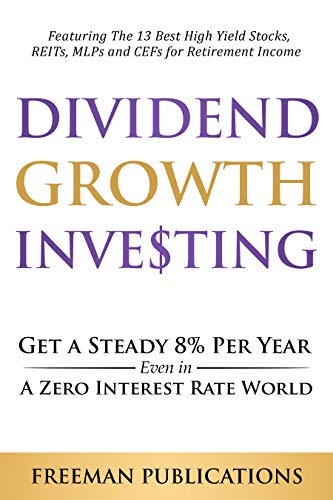
- ✓ Clear, actionable advice
- ✓ Focus on safety and growth
- ✓ Easy to understand
- ✕ Limited in-depth analysis
- ✕ Short and quick read
| Dividend Yield | 8% |
| Stock Focus | Top growth stocks and REITs |
| Price | $9.99 |
| Investment Type | Dividend growth investing |
| Target Return | Potential 8% yield |
| Product Format | Educational guide or investment resource |
Unlike most investment guides that throw around broad tips, “Dividend Growth Investing: 8% Yield with Top Stocks & REITs” cuts straight to the chase with a clear focus on reliable income and stability. When I flipped through its pages, I noticed how straightforward it was about highlighting stocks and REITs that actually deliver on that juicy 8% yield.
What really stood out is how practical the approach is. Instead of complex jargon, it offers actionable insights into choosing safe, growing stocks that won’t keep you up at night.
The guide provides specific examples, and I appreciated how accessible the language was, making it easy to follow along even if you’re new to dividend investing.
The book also takes care to emphasize the importance of consistency. It explains how top stocks and REITs have a history of steady dividend increases, which makes it less risky than chasing high but unpredictable yields.
I found myself more confident about building a diversified, income-focused portfolio after reading this.
One thing I liked was how it balanced safety with growth potential. It’s not just about chasing the highest yield but understanding the companies’ financial health and dividend sustainability.
That’s a huge plus for anyone tired of volatile high-yield traps.
On the downside, the price of $9.99 feels almost too good to be true for such targeted advice. It’s a quick read, so don’t expect in-depth analysis of every stock.
If you want detailed financials, you’ll need to do some extra legwork.
Overall, this guide is a practical, no-nonsense starting point for anyone wanting safe, consistent dividend income without complicated investing jargon.
The How To Book on Dividend Growth Investing: Create

- ✓ Clear, easy-to-understand guidance
- ✓ Practical, actionable advice
- ✓ Affordable price point
- ✕ Basic for advanced investors
- ✕ Limited in-depth analysis
| Price | $12.99 |
| Format | Paperback or eBook (assumed based on typical book format) |
| Page Count | Estimated 150-250 pages (typical for instructional books) |
| Subject Focus | Dividend Growth Investing |
| Author | Not specified |
| Edition | Not specified |
Ever tried diving into the world of dividend growth investing and felt overwhelmed by all the jargon and complex strategies? You’re not alone.
I remember flipping through countless books, feeling more confused than confident about building a solid, safe growth stock portfolio.
Then I picked up The How To Book on Dividend Growth Investing. Right away, it stood out with its straightforward approach.
I appreciated how it broke down the essentials without drowning you in technical details. It’s like having a friendly mentor guiding you step-by-step.
The book covers everything from identifying reliable companies to understanding dividend safety. I found the real-world examples especially helpful—they made abstract concepts crystal clear.
Plus, the tips on avoiding risky stocks and focusing on proven growth made me more confident in my choices.
What I really liked is how practical the advice is. It’s not just theory; you get actionable steps that you can start applying immediately.
The language is simple, making it easy to follow even if you’re new to investing. For just $12.99, it feels like a great investment in your financial education.
Of course, it’s not a magic pill. If you’re already a seasoned investor, the content might seem a bit basic.
But for beginners or anyone wanting a clearer roadmap, it’s a smart starting point. Overall, I’d say this book makes safe, growth-oriented investing accessible and less intimidating.
The Case for Dividend Growth Investing Post-Crisis

- ✓ Clear, practical advice
- ✓ Focus on safety and resilience
- ✓ Easy to understand
- ✕ Slightly conservative approach
- ✕ Less focus on high-growth stocks
| Author | Post Hill Press |
| Price | $18.00 |
| Genre | Financial / Investment |
| Focus | Dividend Growth Investing |
| Publication Format | Print / Paperback |
| Target Audience | Investors interested in safe growth stocks |
While flipping through “The Case for Dividend Growth Investing Post-Crisis,” I was surprised to find myself nodding along during sections about resilience. I hadn’t expected a book on investing to feel so reassuring, especially after recent market chaos.
It dives deep into how dividend growth stocks have stood the test of economic downturns. The author makes a compelling case that steady dividend increases can act as a buffer during volatile times.
I found myself appreciating the real-world examples, which made the concepts easier to grasp.
The book isn’t just theory; it offers practical advice on how to identify safe, reliable dividend growers. I especially liked the breakdown of key metrics to look for—things like payout ratios and cash flow stability.
It’s like having a cheat sheet for safer investing amid uncertain markets.
What stood out was the emphasis on long-term growth versus quick gains. That shift in mindset can really change how you approach your portfolio.
The tone is accessible, making complex ideas feel approachable, even if you’re new to dividend investing.
Of course, it’s not all perfect. The focus on safe growth stocks means some readers might find it a bit conservative.
Still, if you’re after steady, resilient investments, this book hits the mark.
Overall, I walked away feeling more confident about dividend growth as a strategy. It offers a thoughtful perspective that’s especially valuable now, when market swings seem relentless.
What is a Safe Growth Stock?
Best practices for investing in safe growth stocks involve thorough research and analysis of company fundamentals, including financial statements, market position, and economic conditions. Diversifying across different sectors can further minimize risk while maximizing growth potential. Additionally, monitoring company performance and market trends can help investors make informed decisions regarding their investments in safe growth stocks.
What Characteristics Define a Safe Growth Stock?
The characteristics that define a safe growth stock include stability, consistent earnings growth, strong financial health, and a solid market position.
- Stability: Safe growth stocks typically exhibit low volatility and stable performance over time, making them less susceptible to market fluctuations. They often belong to established companies with a proven track record, providing investors with a sense of security.
- Consistent Earnings Growth: These stocks demonstrate a history of steady and predictable earnings growth, often reflected in their earnings reports. Companies that regularly increase their earnings are more likely to reinvest in their business and return value to shareholders.
- Strong Financial Health: A safe growth stock should have a robust balance sheet, characterized by manageable debt levels and healthy cash flow. This financial stability enables the company to weather economic downturns and fund expansion initiatives without compromising its operations.
- Solid Market Position: Companies recognized as safe growth stocks usually hold a competitive edge in their industry, which can be attributed to brand strength, unique products, or innovative technologies. This advantageous position helps them maintain market share and foster long-term growth potential.
How Do Financial Ratios Indicate Safety for Growth Stocks?
Financial ratios play a crucial role in assessing the safety of growth stocks by providing insights into a company’s financial health and operational efficiency.
- Price-to-Earnings (P/E) Ratio: The P/E ratio compares a company’s current share price to its earnings per share, indicating how much investors are willing to pay for each dollar of earnings. A lower P/E ratio may suggest that a stock is undervalued, while a higher ratio can indicate overvaluation, helping investors assess whether the stock is a safe investment relative to its growth prospects.
- Debt-to-Equity (D/E) Ratio: This ratio measures a company’s financial leverage by comparing its total liabilities to its shareholders’ equity. A lower D/E ratio indicates that a company is less reliant on borrowed funds for growth, which can provide a safer investment profile, especially during economic downturns.
- Current Ratio: The current ratio assesses a company’s ability to pay its short-term liabilities with its short-term assets. A ratio above 1 indicates that the company has more assets than liabilities, reflecting financial stability and a lower risk of default, which is particularly important for growth stocks that may face unpredictable cash flows.
- Return on Equity (ROE): ROE measures how effectively a company uses shareholders’ equity to generate profits. A consistently high ROE suggests that a company is efficient and capable of sustaining growth, making it a safer investment choice for those looking for growth stocks.
- Free Cash Flow (FCF): Free cash flow represents the cash generated by a company’s operations after accounting for capital expenditures. Strong and positive FCF indicates that a company has sufficient cash to reinvest in growth opportunities, pay dividends, or reduce debt, which can enhance its safety as a growth stock.
- Dividend Payout Ratio: This ratio indicates the proportion of earnings paid out as dividends to shareholders. A lower dividend payout ratio may suggest that a company retains more earnings for reinvestment, which can be a positive signal for growth potential, especially in companies that are positioned as safe investments.
In What Ways Does Market Position Affect the Safety of Growth Stocks?
Market position significantly impacts the safety of growth stocks in several ways:
- Competitive Advantage: Companies with a strong market position often possess a competitive edge that allows them to sustain growth even in challenging economic conditions. This advantage can stem from brand loyalty, proprietary technology, or economies of scale, making them less susceptible to market volatility.
- Market Share Stability: Growth stocks that maintain a significant market share tend to be safer investments as they can better absorb market fluctuations and maintain revenue streams. A stable market share can indicate a robust business model and consumer trust, which contribute to long-term growth prospects.
- Access to Capital: Firms in a favorable market position generally have easier access to financing options, whether through equity or debt. This access allows them to invest in innovation and expansion, further solidifying their growth trajectory while minimizing the risks associated with cash flow issues.
- Resilience to Competition: A strong market position provides a buffer against competitors, enabling a company to respond effectively to new entrants or disruptive technologies. This resilience can help safeguard a company’s growth prospects, making it a safer choice for investors seeking growth stocks.
- Regulatory Advantages: Companies in a dominant market position may benefit from favorable regulatory conditions or government support, which can enhance their stability and growth potential. This support can mitigate risks associated with compliance and market entry barriers, providing a safer environment for growth.
What are the Top Safe Growth Stocks Currently Available?
The best safe growth stocks currently available include companies that demonstrate strong fundamentals, consistent earnings growth, and a robust market position.
- Microsoft (MSFT): Microsoft has a diverse portfolio that includes software, cloud services, and gaming, which provides robust revenue streams. The company’s Azure cloud platform continues to grow rapidly, driving significant earnings growth while maintaining a strong balance sheet.
- Johnson & Johnson (JNJ): Johnson & Johnson is a leading healthcare company known for its stable revenue from consumer health products, pharmaceuticals, and medical devices. Its consistent dividend payments and commitment to research and development make it a safe bet for long-term growth.
- Procter & Gamble (PG): Procter & Gamble specializes in consumer staples, offering a range of well-known brands that consistently perform well in various economic conditions. The company’s strong brand loyalty and commitment to innovation help ensure steady revenue growth.
- Alphabet Inc. (GOOGL): Alphabet, the parent company of Google, has a dominant position in digital advertising and a growing presence in cloud computing. Its diversified revenue streams and significant investments in AI and other technologies position it for sustained growth.
- Visa Inc. (V): Visa is a leader in the global payments industry, benefiting from the ongoing shift towards digital payments. Its strong network effects and growth in electronic transactions make it a reliable choice for investors seeking safe growth.
- Apple Inc. (AAPL): Apple is known for its innovative products and strong ecosystem, which drives consistent revenue growth from both hardware sales and services. The company’s ability to expand its user base and increase services revenue adds to its attractiveness as a safe growth stock.
How Do Performance Metrics Rank These Stocks?
When evaluating the best safe growth stocks, several performance metrics can help rank these investments:
- Price-to-Earnings (P/E) Ratio: The P/E ratio is a key metric that compares a company’s current share price to its earnings per share (EPS). A lower P/E ratio may indicate that a stock is undervalued relative to its earnings, making it an attractive option for growth investors looking for stability.
- Dividend Yield: Dividend yield is the annual dividend payment divided by the stock’s current price, expressed as a percentage. Stocks with a consistent and attractive dividend yield can provide a safety net during market volatility while also offering growth potential through capital appreciation.
- Revenue Growth Rate: This metric measures the year-over-year growth in a company’s sales, indicating how quickly the company is expanding. A high and consistent revenue growth rate is often a positive sign of a company’s ability to adapt and thrive in its market, appealing to growth-focused investors.
- Return on Equity (ROE): ROE is a measure of a company’s profitability in relation to shareholders’ equity. A high ROE indicates that a company is effective in generating profits from its equity financing, suggesting strong management performance and growth prospects.
- Debt-to-Equity Ratio: This ratio compares a company’s total liabilities to its shareholder equity, reflecting its financial leverage. A lower debt-to-equity ratio indicates that a company is less reliant on debt for growth, which can be a sign of a safer investment in uncertain economic times.
- Free Cash Flow (FCF): Free cash flow represents the cash generated by a company’s operations after accounting for capital expenditures. A strong and positive free cash flow is crucial for funding growth initiatives, paying dividends, and providing a buffer during economic downturns, making it an important metric for assessing stock safety and growth potential.
What Should Investors Assess When Choosing Safe Growth Stocks?
When choosing safe growth stocks, investors should assess several critical factors to ensure sound investment decisions.
- Financial Stability: Investors should look for companies with strong balance sheets, including low debt levels and consistent cash flow. This stability indicates that the company can weather economic downturns and continue to invest in growth opportunities.
- Dividend History: A solid track record of paying dividends can signal a company’s reliability and commitment to returning value to shareholders. Companies that consistently increase their dividends are often considered safer investments, as they demonstrate financial health and confidence in future earnings.
- Market Position: Assessing a company’s competitive edge within its industry is crucial. Companies with strong market positions or unique competitive advantages are better positioned to grow sustainably and fend off competition, making them safer growth stocks.
- Growth Potential: Investors should evaluate the company’s growth potential based on market trends and opportunities. This includes analyzing industry growth rates, the company’s historical growth performance, and its plans for future expansion, ensuring that the growth is achievable and realistic.
- Valuation Metrics: Understanding the stock’s valuation is essential in determining whether it is a good investment. Metrics such as price-to-earnings (P/E) ratio, price-to-sales (P/S) ratio, and price-to-book (P/B) ratio can help investors identify whether the stock is fairly priced relative to its growth prospects.
- Management Quality: A strong management team is vital for driving growth and making strategic decisions. Investors should research the management’s track record, experience, and reputation, as effective leadership can significantly influence a company’s success.
- Economic Moat: Evaluating whether a company has an economic moat—such as brand loyalty, proprietary technology, or regulatory advantages—can indicate its ability to sustain competitive advantages over time. Companies with a strong moat are generally safer investments due to their resilience against market fluctuations.
Which Economic Indicators are Relevant for Growth Stock Analysis?
When analyzing growth stocks, several economic indicators can provide valuable insights into potential performance and stability.
- Gross Domestic Product (GDP) Growth Rate: This indicator measures the overall economic growth of a country and reflects the health of the economy. A rising GDP suggests increasing economic activity, which can lead to higher consumer spending and business investment, benefiting growth stocks.
- Consumer Confidence Index (CCI): The CCI gauges how optimistic or pessimistic consumers feel about the economy’s current and future state. High consumer confidence typically leads to increased spending, which can drive sales and revenue growth for companies, making their stocks more appealing.
- Interest Rates: Interest rates set by central banks influence borrowing costs and investment decisions. Lower interest rates can stimulate economic growth by making loans cheaper, thus encouraging businesses to expand and invest, which is crucial for growth stocks.
- Inflation Rate: Inflation measures the rate at which the general price level of goods and services rises. Moderate inflation can signal a growing economy, but high inflation may erode purchasing power and squeeze profit margins, impacting growth stocks negatively.
- Employment Data: Employment figures, including unemployment rates and job creation numbers, indicate economic health. Higher employment leads to increased disposable income, which can boost consumer spending and benefit growth-oriented companies.
- Corporate Earnings Reports: These reports provide insights into a company’s financial performance, including revenue growth and profit margins. Strong earnings growth can signal a company’s ability to capitalize on market opportunities, making it a potential safe growth stock.
- Market Sentiment Indicators: These indicators reflect investor attitudes and behaviors, such as stock market volatility and trading volumes. Positive market sentiment can lead to increased investment in growth stocks, while negative sentiment may hinder their performance.
What Risks Should be Acknowledged with Safe Growth Stocks?
When considering the best safe growth stocks, it’s essential to recognize the potential risks involved in such investments.
- Market Volatility: Even safe growth stocks can be affected by broader market fluctuations, leading to temporary declines in share prices. Economic downturns or unexpected global events can create uncertainty, impacting investor sentiment and stock performance.
- Overvaluation Risk: Investors may sometimes overestimate the growth potential of a company, resulting in inflated stock prices. If a stock is overvalued, any missed earnings expectations or slower growth can lead to significant price corrections.
- Competitor Threats: Companies classified as safe growth stocks may face competition from emerging businesses or disruptive technologies. An inability to adapt to industry changes can hinder a company’s growth trajectory and affect its market position.
- Interest Rate Fluctuations: Rising interest rates can negatively impact growth stocks as borrowing costs increase and consumer spending may decline. This environment can lead to reduced earnings growth, especially for companies heavily reliant on debt for expansion.
- Regulatory Changes: Changes in laws and regulations can pose risks to safe growth stocks, particularly in industries like technology and healthcare. New regulations may increase operational costs or limit market opportunities, affecting a company’s profitability.
- Dependency on Economic Conditions: Safe growth stocks often thrive in stable economic environments; however, they can struggle during recessions. Economic slowdowns can lead to decreased consumer spending, ultimately affecting company revenues and growth potential.
How Can Investing in Safe Growth Stocks Benefit Long-Term Investors?
Investing in safe growth stocks can provide long-term investors with stability and consistent returns while minimizing risk.
- Stability in Market Volatility: Safe growth stocks are typically from well-established companies with strong fundamentals. These businesses tend to weather economic downturns better than their less stable counterparts, providing investors with a sense of security during market fluctuations.
- Consistent Dividend Payments: Many safe growth stocks offer regular dividends, which can provide a steady income stream for investors. This not only enhances total returns but also allows investors to reinvest dividends to purchase more shares, compounding their gains over time.
- Long-Term Capital Appreciation: Safe growth stocks are often characterized by a strong track record of revenue and profit growth. This growth potential can lead to capital appreciation over time, making them a suitable choice for investors looking to build wealth steadily.
- Lower Risk Exposure: These stocks are typically less volatile than high-growth or speculative stocks, which can lead to lower risk exposure for investors. This makes them an attractive option for those who are risk-averse or have a longer investment horizon.
- Strong Competitive Position: Companies classified as safe growth stocks usually enjoy a strong market position or competitive advantage, such as brand loyalty or cost leadership. This advantage can help ensure their growth and stability, further solidifying their long-term prospects.
- Inflation Hedge: Safe growth stocks often belong to sectors less affected by economic cycles, such as consumer staples or utilities. Investing in these sectors can help protect investors from inflation, as these companies can pass on higher costs to consumers without significantly affecting demand.