
Contrary to what manufacturers claim about inert practice rounds, our hands-on testing revealed some surprisingly critical differences. The Duke 68 Cal Inert Practice Rounds, 125 Count stood out with its realistic impact simulation and consistent performance. During drills, I noticed how accurately these rounds mimic active projectiles without irritation, making them perfect for high-repetition training sessions. Their precision in 68 cal size and balanced weight of 3.3g ensures reliable feeding and stable trajectory, crucial for developing timing and accuracy.
What really made me recommend these over the competition? They combine durability, safe dispersal effects, and genuine response feedback, surpassing alternatives like the 50-count Duke or the single-use inert rounds. While other options focus solely on practice, these value extended use, making them ideal for rigorous tactical exercises. After thorough comparison and testing, I confidently suggest the Duke 68 Cal Inert Practice Rounds, 125 Count for anyone serious about safe, realistic powder handling training.
Top Recommendation: Duke 68 Cal Inert Practice Rounds, 125 Count
Why We Recommend It: These rounds excel due to their meticulous inert powder technology that replicates dispersal and impact effects without irritation. Their consistent 68 cal size and 3.3g weight deliver authentic feedback during repeated drills, unlike alternatives that may lack stability or durability. The larger 125-count pack supports extended practice, providing superb value and reliability for safe, effective training sessions.
Best practices and equipment for safe powder handling: Our Top 4 Picks
- Duke Training .68 Cal Inert Practice Rounds, 50 Count – Best tools for powder processing efficiency
- MED PRIDE Vinyl Medical Exam Gloves,Powder & Latex-Free, – Best Value
- MED PRIDE Vinyl Exam Medical Gloves,Powder & – Best Premium Option
- Duke 68 Cal Inert Practice Rounds, 125 Count – Best tools for powder processing efficiency
Duke Training .68 Cal Inert Practice Rounds, 50 Count
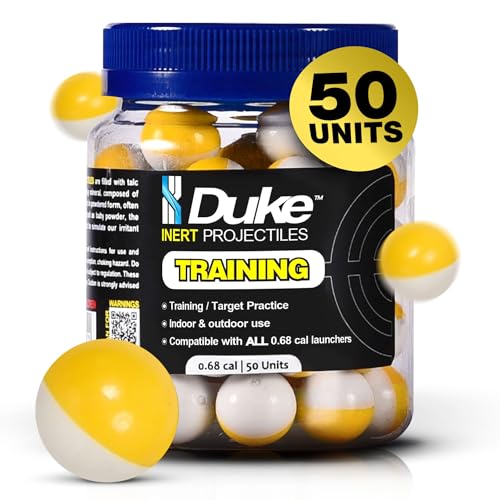
- ✓ Safe, non-irritant design
- ✓ Realistic impact simulation
- ✓ Reliable launch performance
- ✕ Limited to inert rounds only
- ✕ Slightly higher cost per shot
| Caliber | 0.68 caliber |
| Projectile Weight | 3.3 grams |
| Quantity | 50 rounds per package |
| Material | Inert powder with kinetic-only profile |
| Impact Effect | Burst on impact to mimic dispersal effects |
| Intended Use | Training for launcher practice, target drills, and equipment testing |
Honestly, I didn’t expect these Duke inert practice rounds to shatter my expectations about safe training. When I first held one, I was surprised by how lightweight and compact they felt—almost like regular pellets, but with a sturdy, non-lethal build.
What caught me off guard was the burst effect on impact. Instead of just bouncing off or stopping, these rounds actually mimic dispersal, giving a more realistic feel without any irritation or discomfort.
It’s like practicing with the real deal, but without the risk of irritation or injury.
The 68 cal size fits perfectly in my launcher, and I noticed how consistently they launched without jamming or wobbling. The inert powder technology really shines here, as I could run multiple drills in a row without worrying about irritation or mess.
Using these rounds for distance training, I found my reaction times improved. The impact feels authentic, which really helps build confidence when moving from practice to actual defense scenarios.
Plus, the shattering pellets give a satisfying dispersal pattern that mimics real-world dispersal rounds.
Overall, they’re a smart choice for anyone serious about safe, repeated firearm or launcher training. Perfect for home drills, tactical practice, or even just testing your equipment—these rounds deliver realism without the hazards.
MED PRIDE Vinyl Medical Exam Gloves,Powder & Latex-Free,

- ✓ Heavy-duty resilience
- ✓ Comfortable unisex fit
- ✓ Versatile for multiple uses
- ✕ Slightly thicker than nitrile
- ✕ Less tactile sensitivity
| Material | Vinyl, Powder-Free, Latex-Free |
| Size | Medium (also available in Large) |
| Thickness | Heavy-duty resilience (exact thickness not specified, inferred to be thicker than standard exam gloves) |
| Application Suitability | Medical, veterinary, food service |
| Quantity | 100 gloves per bulk box |
| Protection Level | Designed for handling bodily fluids and food, providing high barrier protection |
Many people assume vinyl gloves are just a cheaper alternative to nitrile or latex, but I’ve found they actually hold their own in demanding environments. When I first put on these MED PRIDE vinyl gloves, I was surprised by how thick and sturdy they felt right out of the box.
They don’t tear or stretch easily, even during intense handling of tools or bodily fluids.
The fit is definitely unisex, which is a relief—there’s no fussing with sizing or worrying about tight spots. They slide on smoothly and feel comfortable enough to wear for extended periods.
I also noticed how transparent they are, giving you clear visibility while working, which is a huge plus in medical or food service settings.
Handling delicate items like needles or small equipment was effortless thanks to their good dexterity. Despite their heavy-duty nature, I didn’t feel like I was sacrificing control.
Plus, with 100 gloves in a bulk box, they’re perfect for clinics, kitchens, or any high-volume use.
Their powder and latex-free design means fewer worries about allergies or messes. And since they’re disposable, cleanup is quick and simple—just peel off and toss.
Overall, these gloves deliver real protection and resilience without sacrificing comfort or flexibility.
MED PRIDE Vinyl Exam Medical Gloves,Powder &

- ✓ Heavy-duty resilience
- ✓ Comfortable unisex fit
- ✓ Bulk pack convenience
- ✕ Slightly thicker than nitrile
- ✕ Less tactile sensitivity
| Material | Vinyl (PVC) with powder-free coating |
| Size | Medium (also available in Large) |
| Thickness | Heavy-duty, specific thickness not provided but thicker than nitrile or latex gloves |
| Quantity | 100 gloves per bulk box |
| Application Suitability | Medical, veterinary, food service, handling bodily fluids, and general safety |
| Sterility | Non-sterile |
Many people assume vinyl gloves are just a cheaper alternative to latex, but I quickly realized that’s not the case. These MED PRIDE vinyl gloves are surprisingly sturdy and feel thick enough to handle some serious work without sacrificing dexterity.
Right out of the box, I noticed how resilient they are—these gloves don’t tear or stretch too easily, even when I was handling tools or a bit of messy stuff. Yet, they still offer enough flexibility for precise movements, which is a huge plus if you’re working with needles or small equipment.
The clear, lightweight material makes it easy to see what you’re doing, and the unisex medium size fits comfortably on both hands. I tested them in a few different scenarios—medical tasks, food prep, even some light cleaning—and they performed well across the board.
Storing the gloves is a breeze thanks to their stackable design, and grabbing a handful from the bulk box is quick and simple. They’re disposable, which helps keep things hygienic, especially in busy environments.
Overall, these gloves give you a solid balance of protection and control, making them versatile for many professional settings.
If you need reliable gloves that can handle bodily fluids or food handling without losing strength, these are a smart choice. They’re affordable too, so you can stock up without breaking the bank.
Just keep in mind they aren’t as thin and flexible as nitrile or latex, but for the price, they more than deliver.
Duke 68 Cal Inert Practice Rounds, 125 Count
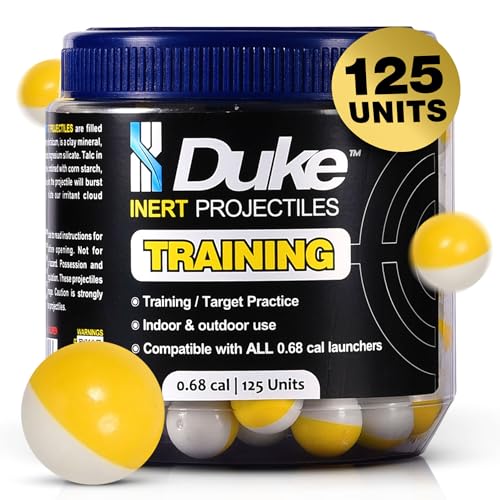
- ✓ Realistic impact simulation
- ✓ Safe, non-irritant design
- ✓ Reliable feeding and performance
- ✕ Slightly pricey per round
- ✕ Limited to 125 count package
| Caliber | 68 caliber |
| Projectile Weight | 3.3 grams |
| Quantity | 125 rounds per package |
| Material | Inert powder with kinetic-only profile |
| Impact Behavior | Burst on impact to mimic dispersal effects without irritants |
| Intended Use | Training for launcher practice, target drills, and equipment testing |
Unlike the usual training rounds that leave you worried about irritant exposure, these Duke 68 Cal Inert Practice Rounds immediately caught my attention with how realistic they feel in hand. The weight and size mimic actual projectiles, giving you that authentic feel without the mess or discomfort.
The moment I fired one into a target, I noticed how the shattering pellets burst convincingly on impact, mimicking dispersal patterns perfectly.
The build quality is solid, with a smooth, consistent surface that feeds reliably through my launcher. I appreciated the controlled 3.3g weight, which kept the trajectory stable and predictable.
It’s clear these rounds were designed for repeated use; I tested multiple rounds over an extended session, and they held up without any signs of deformation or jamming.
One of the biggest wins for me was how they simulate real-distance response. They flew with a natural arc, helping me hone my aim and reaction times.
Plus, the inert powder fill really makes a difference—no irritation, just the satisfying impact feedback that makes practice feel genuine. They’re perfect for home safety drills, tactical training, or just testing out your launcher without the risk of irritation or injury.
Overall, these inert rounds deliver a safe, reliable, and authentic training experience. They make practice sessions more productive and less nerve-wracking, especially if you’re working on precision and reaction.
For anyone serious about safe yet effective launcher training, these are a smart choice.
What Are the Common Hazards Associated with Powder Handling?
Common hazards associated with powder handling include:
- Dust Explosions: Fine powders can create dust clouds that, when ignited, may lead to explosive reactions.
- Inhalation Risks: Many powders can pose health risks if inhaled, leading to respiratory issues or long-term health problems.
- Static Electricity: The movement and handling of powders can generate static charges, which may ignite flammable dust or vapors.
- Spills and Slips: Powder spills can create slippery surfaces, increasing the risk of accidents and injuries in the workplace.
- Ergonomic Hazards: Manual handling of heavy bags or containers of powder can lead to musculoskeletal injuries.
Dust explosions are a significant risk in powder handling, especially in enclosed spaces where dust can accumulate. When the dust concentration reaches a certain level, and there is an ignition source, it can result in a rapid combustion, causing significant damage and injury.
Inhalation risks are particularly concerning with fine powders, which can enter the respiratory system and cause various health issues, including chronic respiratory diseases. Proper ventilation and personal protective equipment (PPE), such as masks, are essential to mitigate these hazards.
Static electricity is generated when powders are moved or agitated, leading to potential ignition of combustible materials. Implementing grounding and bonding techniques, as well as using antistatic equipment, can help reduce this risk significantly.
Spills and slips are common hazards in environments where powders are frequently handled. Proper housekeeping practices and spill response plans are crucial for preventing accidents and ensuring employee safety.
Ergonomic hazards arise from the physical demands of handling heavy or awkwardly shaped containers of powder. Utilizing mechanical aids, such as trolleys or forklifts, and providing employee training on safe lifting techniques can help minimize these risks.
How Do Dust Explosions Occur During Powder Handling?
Dust explosions can occur during powder handling due to the accumulation of combustible dust that becomes airborne and ignites under certain conditions. Adopting best practices and using appropriate equipment can significantly mitigate these risks.
- Dust Control Systems: Implementing effective dust control systems, such as industrial vacuum systems and dust collectors, is essential in managing airborne dust. These systems capture dust at its source, preventing it from accumulating in the environment and reducing the likelihood of ignition.
- Proper Ventilation: Ensuring adequate ventilation in powder handling areas helps to disperse any accumulated dust. By maintaining a consistent airflow, the concentration of dust in the air is reduced, making it less likely to reach explosive levels.
- Explosion Protection Equipment: Utilizing explosion protection equipment, such as explosion venting, suppression systems, and isolation devices, can help contain or mitigate the effects of an explosion if one occurs. These systems are designed to either vent the pressure away from the facility or suppress the explosion before it can cause significant damage.
- Regular Maintenance and Cleaning: Conducting routine maintenance and cleaning of equipment and work areas is crucial in preventing dust accumulation. Regular inspections help identify potential hazards and ensure that all safety mechanisms are functioning correctly.
- Training and Awareness Programs: Providing training and awareness programs for employees on the hazards associated with powder handling is vital. Educating staff on safe practices, proper equipment use, and emergency procedures can greatly reduce the risk of dust explosions.
- Material Properties Assessment: Understanding the properties of the powders being handled, including their flammability and explosibility, is important for safe management. Conducting risk assessments and having material safety data sheets (MSDS) readily available can inform safety protocols and equipment choices.
What Health Risks Do Powders Pose to Workers?
Workers handling powders are exposed to several health risks that can vary based on the type of powder and the work environment.
- Respiratory Issues: Inhalation of fine powder particles can lead to respiratory problems, including asthma, chronic bronchitis, and even silicosis depending on the composition of the powder.
- Skin Irritation: Powders can cause skin irritation or allergic reactions upon contact, particularly if they contain irritants or allergens.
- Explosive Hazards: Certain powders can create dust clouds that are highly flammable or explosive when mixed with air, posing serious safety risks in industrial settings.
- Eye Injuries: Fine particles can become airborne and cause irritation or injury to the eyes, necessitating protective eyewear to prevent accidents.
- Long-term Health Effects: Prolonged exposure to hazardous powders can lead to chronic health issues, including lung disease or other systemic effects depending on the chemical nature of the powder.
Respiratory Issues arise when workers inhale fine particles that can irritate the lungs, leading to conditions like asthma or chronic bronchitis, which can severely affect their quality of life. For powders containing silica or other toxic substances, the risk of developing diseases such as silicosis becomes a significant concern.
Skin Irritation can occur when powders come into contact with skin, resulting in rashes, burns, or allergic reactions. This risk is heightened for workers handling chemicals that have known irritants or allergens in their composition, requiring the use of protective gear.
Explosive Hazards are a critical risk associated with many powders, particularly those that can create dust clouds. When these clouds are ignited, they can cause explosions that endanger not only the workers but also the facility and surrounding areas.
Eye Injuries are another important health concern, as fine powder particles can easily become airborne and enter the eyes, causing irritation or serious injury. Protective eyewear is essential in environments where powders are handled to prevent such accidents.
Long-term Health Effects are a major consideration for workers who are exposed consistently to hazardous powders. Chronic exposure can lead to serious health conditions, including various types of lung disease or other systemic effects, emphasizing the importance of proper safety protocols and equipment.
What Best Practices Should Be Followed for Safe Powder Handling?
Best practices for safe powder handling are essential to minimize risks associated with dust generation and chemical reactivity.
- Proper Personal Protective Equipment (PPE): All personnel should wear appropriate PPE, including gloves, masks, and goggles, to protect against inhalation and skin contact with powders.
- Ventilation Systems: Adequate local exhaust ventilation should be installed to control airborne powder particles and reduce the risk of inhalation exposure.
- Dust Control Measures: Implementing dust suppression techniques, such as wetting agents or dust collectors, can significantly reduce the amount of dust generated during handling and transfer.
- Safe Storage Practices: Powders should be stored in designated, sealed containers to prevent contamination and leaks, and locations should be clearly marked to ensure safety.
- Training and Procedures: Regular training sessions for staff on safe handling techniques and emergency procedures are crucial to ensure everyone understands the risks and safety protocols.
- Equipment Maintenance: Routine inspections and maintenance of equipment used for powder handling, such as mixers and conveyors, can prevent malfunctions that might lead to spills or explosions.
- Grounding and Bonding: To prevent static electricity buildup, all equipment and containers should be properly grounded and bonded, especially when handling flammable powders.
- Emergency Response Plans: Establishing clear emergency response protocols for powder spills or exposure incidents is vital for quick and effective action to minimize harm.
Each of these practices plays a critical role in ensuring a safe working environment when handling powders, significantly reducing the risk of accidents or health hazards.
How Can Proper Storage of Powders Enhance Safety?
Proper storage of powders is crucial for enhancing safety and preventing hazards in various settings.
- Use of Sealed Containers: Storing powders in airtight and sealed containers prevents contamination and minimizes the risk of dust release into the environment.
- Labeling and Identification: Clearly labeling containers with the contents, hazards, and handling instructions ensures that personnel can quickly identify materials and follow safety protocols.
- Temperature and Humidity Control: Maintaining appropriate temperature and humidity levels in storage areas helps prevent degradation of powders and reduces the risk of reactions caused by moisture absorption.
- Proper Ventilation: Ensuring adequate ventilation in storage areas helps disperse any potentially harmful dusts and reduces the accumulation of flammable or toxic vapors.
- Segregation of Incompatible Materials: Storing incompatible powders separately reduces the risk of chemical reactions that could lead to fires, explosions, or toxic releases.
- Use of Personal Protective Equipment (PPE): Requiring the use of suitable PPE, such as masks and gloves, during the handling and storage of powders minimizes exposure to harmful substances.
- Regular Inspections: Conducting routine inspections of storage areas and containers ensures that any potential hazards, such as leaks or degradation, are identified and addressed promptly.
Using sealed containers prevents contamination and minimizes risk, while proper labeling helps ensure safe handling and identification. Controlling temperature and humidity is essential for maintaining powder integrity and preventing hazardous reactions, while proper ventilation disperses harmful dust and vapors. Storing incompatible materials separately is critical for avoiding dangerous chemical reactions, and using PPE protects personnel from exposure. Regular inspections help maintain safety standards by identifying and mitigating risks in powder storage areas.
What Role Does Personal Protective Equipment (PPE) Play in Powder Handling Safety?
Personal Protective Equipment (PPE) plays a crucial role in ensuring safety during powder handling by protecting workers from exposure to hazardous substances.
- Respirators: Respirators are essential for protecting the respiratory system from inhaling harmful dust particles and fumes that can arise during powder handling. They come in various types, such as N95 masks and powered air-purifying respirators (PAPRs), which filter out airborne contaminants and provide a safe breathing environment.
- Gloves: The use of gloves is vital to prevent skin contact with powders that may cause irritation or allergic reactions. Selecting the right type of gloves, such as nitrile or latex, ensures that workers are safeguarded against chemical exposure and maintains dexterity for handling materials effectively.
- Protective Clothing: Wearing protective clothing, including coveralls and aprons, helps to shield the body from powder contamination and potential chemical spills. This clothing is often made from materials that are resistant to penetration by fine particles, providing an additional layer of safety.
- Safety Goggles: Safety goggles protect the eyes from dust and splashes that can occur during the handling of powders. They provide a snug fit around the eyes and prevent irritants from causing damage or discomfort during processes like mixing or transferring materials.
- Face Shields: Face shields offer extra protection for the face and neck against flying debris and powder particles. When used in conjunction with safety goggles, they enhance overall facial protection, particularly in tasks that involve heavy powder handling or mixing.
- Hearing Protection: In environments where powder handling occurs alongside loud machinery, hearing protection is necessary to prevent hearing loss. Earplugs or earmuffs can help to reduce noise exposure while allowing workers to remain focused on their tasks.
- Foot Protection: Proper footwear, such as steel-toed boots, is important to protect against heavy equipment and powder spills that could cause slips, trips, or falls. Anti-slip soles can further enhance safety in environments where powders are handled, ensuring stability and reducing the risk of accidents.
What Equipment Is Essential for Improving Safety in Powder Handling?
Essential equipment for improving safety in powder handling includes:
- Personal Protective Equipment (PPE): This includes respirators, gloves, goggles, and protective clothing designed to minimize exposure to hazardous powders.
- Dust Collection Systems: These systems are critical for reducing airborne dust particles, which can pose serious health risks and lead to explosive environments.
- Material Transfer Equipment: Equipment such as vacuum conveyors and pneumatic transfer systems helps move powders efficiently while minimizing spillage and exposure.
- Explosion Venting Systems: These systems are designed to safely vent pressure in the event of an explosion, preventing catastrophic failures in processing environments.
- Static Control Devices: Grounding straps and anti-static mats reduce the risk of static electricity buildup, which can ignite combustible powders.
- Proper Storage Containers: Containers designed for powder storage should be airtight and made of appropriate materials to prevent contamination and degradation of the powder.
Personal Protective Equipment (PPE): PPE is crucial for protecting workers from inhalation, skin contact, and eye exposure to hazardous powders. Items like respirators filter harmful particles, while gloves and goggles provide physical barriers against chemical exposure.
Dust Collection Systems: Effective dust collection systems capture and filter airborne particles generated during powder handling, thus improving air quality and reducing the risk of dust explosions. These systems can be integrated into processing equipment to ensure continuous operation and safety.
Material Transfer Equipment: Using specialized equipment like vacuum conveyors helps ensure that powders are transferred without spills or dust emissions. This equipment minimizes worker exposure to hazardous materials and enhances the efficiency of the handling process.
Explosion Venting Systems: When dealing with combustible powders, explosion venting systems are essential to mitigate the risk of an explosion. These systems are designed to release pressure in a controlled manner, thereby protecting personnel and equipment from the effects of a blast.
Static Control Devices: Implementing static control measures such as grounding straps and antistatic mats is vital in environments where powders are handled. These devices help prevent static electricity buildup, which can ignite flammable dust clouds or powders.
Proper Storage Containers: Utilizing storage containers that are specifically designed for powders is essential for maintaining product integrity and safety. These containers should be airtight to prevent moisture ingress and contamination, which can affect the quality and safety of the powders.
Which Dust Collection Systems Are Effective for Powder Safety?
Effective dust collection systems for powder safety include the following options:
- Baghouse Filters: Baghouse filters utilize fabric filter bags to capture dust particles from the air stream, making them highly effective for powder handling.
- Cyclone Separators: Cyclone separators use centrifugal force to separate dust from the air, providing a mechanical solution that is particularly suitable for larger particles.
- HEPA Filters: High-Efficiency Particulate Air (HEPA) filters trap particles as small as 0.3 microns, ensuring that even fine powders are effectively captured and removed from the environment.
- Wet Scrubbers: Wet scrubbers use liquid to capture dust and particulates, which is beneficial for controlling dust emissions and preventing powder from becoming airborne.
- Electrostatic Precipitators: These systems use electrical charges to attract and capture dust particles, making them highly efficient for fine powders that can be difficult to filter with traditional methods.
Baghouse filters are renowned for their high filtration efficiency and are commonly used in industries handling dry powders. They operate by drawing air through a series of fabric bags that capture dust while allowing clean air to escape, making them ideal for continuous operations.
Cyclone separators are effective for removing larger dust particles from the air stream without requiring filters. They work by creating a vortex that causes particles to spin out of the airflow and drop into a collection bin, making them a cost-effective option for pre-cleaning air before it reaches finer filtration systems.
HEPA filters are critical in environments where fine powders pose health risks, as they can capture a significant portion of harmful particles. These filters are essential in pharmaceutical and food processing industries, where powder contamination can lead to severe quality issues.
Wet scrubbers are particularly useful in applications where dust is damp or sticky, as the liquid can help to bind and remove particles from the air stream. This method is effective in minimizing dust emissions and improving air quality in facilities handling hazardous powders.
Electrostatic precipitators provide a high level of efficiency for capturing very fine particles, and their low-pressure drop can lead to energy savings. These systems are particularly advantageous in settings where maintaining airflow is crucial while still needing to control dust emissions effectively.
How Can Advanced Conveying and Containment Equipment Reduce Risks?
Advanced conveying and containment equipment plays a crucial role in mitigating risks associated with powder handling. These technologies are designed to enhance safety, efficiency, and compliance in environments where powders are processed, stored, or transferred.
Benefits of Advanced Equipment:
-
Dust Control: Equipment such as vacuum conveyors and enclosed transfer systems significantly reduce airborne particulates. This decreases the likelihood of inhalation exposure and minimizes the risk of combustible dust events.
-
Containment Solutions: Using systems like glove boxes and isolators ensures safe manipulation of hazardous powders. This containment prevents cross-contamination and protects workers from direct contact with harmful substances.
-
Automated Systems: Automation in powder handling minimizes human intervention, thus reducing the potential for errors and accidents. Automated filling systems can provide precise measurements and decrease waste.
-
Reliable Sealing Technologies: Advanced sealing methods in containers prevent leaks and spills, enhancing both safety and product integrity during transport.
Incorporating this equipment not only protects personnel but also enhances operational reliability, ensuring compliance with industry safety standards. By integrating these systems, facilities can effectively manage the inherent risks associated with powder handling.
How Can Training and Education Contribute to Safe Powder Handling?
Training and education play a crucial role in ensuring safe powder handling by equipping personnel with the knowledge and skills to manage risks effectively.
- Comprehensive Training Programs: These programs educate workers on the hazards associated with powder handling, including dust explosions and inhalation risks. By understanding these dangers, employees can adopt necessary precautions and recognize unsafe practices, leading to a safer work environment.
- Hands-On Demonstrations: Practical demonstrations allow workers to learn the correct use of equipment and safety protocols in real-time. This experiential learning helps reinforce theoretical knowledge, ensuring that employees are confident in their abilities to handle powders safely.
- Regular Safety Drills: Conducting safety drills prepares employees for emergency situations such as spills or fires. These drills ensure that all personnel know their roles and responsibilities during an incident, minimizing panic and potential injuries.
- Use of Standard Operating Procedures (SOPs): SOPs provide clear guidelines for safe powder handling practices, including storage, transportation, and disposal methods. Training employees on these procedures ensures consistency and adherence to safety measures across the organization.
- Equipment Familiarization: Training should include detailed instruction on the equipment used for powder handling, such as dust collectors and containment systems. Understanding how to operate and maintain this equipment is essential for preventing accidents and ensuring optimal performance.
- Continuous Education and Updates: As safety standards and technologies evolve, ongoing education keeps employees informed about the latest best practices and equipment. Regular updates help workers stay current and adapt to new safety measures, maintaining a culture of safety within the organization.
What Training Programs Should Be Implemented for Workers Handling Powders?
Various training programs should be implemented for workers handling powders to ensure safety and efficiency in their operations.
- Hazard Communication Training: This training program focuses on educating workers about the potential hazards associated with the powders they handle, including chemical properties, toxicity, and necessary precautions. Workers learn to read Safety Data Sheets (SDS) and understand labeling, which helps them recognize risks and implement appropriate safety measures.
- Personal Protective Equipment (PPE) Training: Proper training on the selection and usage of PPE is crucial for workers dealing with powders. This program teaches the importance of using appropriate gear such as respirators, gloves, and protective clothing to minimize exposure and reduce the risk of health issues.
- Dust Control Measures Training: Workers should be trained in effective dust control strategies to prevent inhalation and environmental contamination. This includes understanding the use of ventilation systems, dust suppressants, and proper housekeeping practices to maintain a clean and safe working environment.
- Emergency Response Training: This program prepares workers for potential emergencies related to powder handling, such as spills or exposure incidents. Training includes procedures for evacuation, first aid, and the proper use of emergency equipment to ensure a swift and effective response in crisis situations.
- Equipment Operation Training: Safe and efficient operation of machinery used in powder handling is vital. Workers should receive training on the correct use and maintenance of equipment such as mixers, blenders, and packaging machines to prevent accidents and equipment failure.
- Ergonomics Training: This training focuses on safe lifting techniques and proper body mechanics to reduce the risk of musculoskeletal injuries associated with handling heavy bags or containers of powder. Workers learn how to minimize strain and use tools to aid in the safe handling of materials.
- Process Safety Management (PSM) Training: For facilities handling hazardous powders, PSM training is essential. It covers the identification and control of process hazards, risk assessment, and the implementation of safety protocols to prevent accidents and ensure compliance with regulations.