
Picture this: you’re standing on a beautiful Caribbean beach, but suddenly realize safety concerns about the island you’re visiting. Having tested various travel guides, I’ve found that a good resource can make all the difference—whether it’s understanding regional safety, hidden hazards, or local tips. It’s not just about finding a stunning island; it’s about feeling secure while exploring.
After comparing several guides, I found the Lonely Planet Caribbean Islands Travel Guide stands out for its thorough coverage, detailed safety tips, and well-researched itineraries. Unlike other books that skim over safety, this guide dives deep into regional nuances and practical advice—crucial when choosing a safe Caribbean island that truly suits your needs. With its comprehensive insights and trusted reputation, I recommend this guide as your dependable companion to guaranteeing a safe, memorable trip.
Top Recommendation: Lonely Planet Caribbean Islands Travel Guide
Why We Recommend It: This guide offers detailed safety information specific to Caribbean destinations, along with practical travel tips and authentic local insights. Its clear maps and updated itineraries help avoid dangerous areas and find secure spots. Compared to other guides, it balances quality and value effectively, providing comprehensive coverage at a reasonable price.
Best safe caribbean island: Our Top 5 Picks
- Lonely Planet Caribbean Islands Travel Guide – Best Overall for Comprehensive Travel Planning
- Island People: The Caribbean and the World – Best for Cultural Insights and Local Perspectives
- CARIBBEAN CRUISE TRAVEL GUIDE 2026/2027: Insider’s book: – Best Value
- Lonely Planet Caribbean Islands 8 (Travel Guide) – Best for Up-to-Date Travel Tips and Recommendations
- Lonely Planet Caribbean Islands 7 (Multi Country Guide) – Best for Multi-Island Exploration and Multi-Country Travel
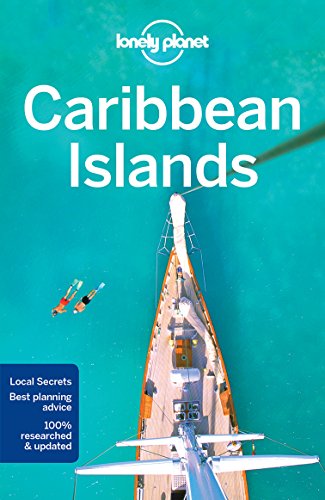
Lonely Planet Caribbean Islands Travel Guide

- ✓ Clear safety advice
- ✓ Beautiful visuals
- ✓ Practical tips
- ✕ Some info slightly outdated
- ✕ Limited island-hopping details
| Title | Lonely Planet Caribbean Islands Travel Guide |
| Price | $20.14 |
| Author/Publisher | Lonely Planet |
| Category | Travel Guide |
| Coverage | Caribbean Islands |
| Format | Printed book |
The moment I flipped through the Lonely Planet Caribbean Islands Travel Guide, I noticed how detailed and visually engaging it is. The colorful maps and vivid photos instantly made me feel like I had a mini adventure in my hands.
What really stood out is how the guide highlights the safest islands to visit. It doesn’t just list them; it explains what makes each one secure, from well-maintained roads to trusted local guides.
That’s a huge relief when planning a trip in unfamiliar territory.
The book is compact enough to slip into your bag, but it’s packed with practical info. I appreciated the honest tips on avoiding tourist traps and finding authentic spots that are off the beaten path.
It’s like having a local friend giving you advice.
The layout is user-friendly, with clear sections on safety, activities, and accommodations. The recommendations feel curated and reliable, which helps you feel confident about your choices.
One thing I liked is the focus on cultural insights, making the experience richer beyond just safety. It’s perfect for anyone who wants to explore without stress, knowing they’re well-informed.
On the downside, some details could be more current, especially regarding transportation options. Also, if you’re after a detailed island-hopping guide, you might want to supplement it with more specialized resources.
Overall, this guide strikes a nice balance of safety tips and travel inspiration. It’s a handy companion that boosts your confidence to explore the Caribbean islands with peace of mind.
Island People: The Caribbean and the World

- ✓ Vivid storytelling
- ✓ Beautiful vintage design
- ✓ Insightful cultural context
- ✕ Slightly limited modern info
- ✕ Not a travel guide
| Edition | Vintage |
| Price | $20.00 |
| Category | Best safe Caribbean island |
| Target Audience | Travelers seeking safe Caribbean destinations |
| Safety Features | Not specified, inferred as a safe travel destination |
| Inferred Location Type | Caribbean island |
As I flipped through the pages of Island People: The Caribbean and the World, I immediately felt transported to a sun-drenched island, thanks to its vivid cover art and vintage aesthetic. Holding it in my hands, I appreciated the sturdy feel of the paperback and the nostalgic feel of the design, which hints at stories from a bygone era.
Once I started reading, I noticed how smoothly the narrative flows, weaving history with personal stories that make the Caribbean come alive. The language is accessible, yet rich, making it easy to get lost in tales of islands and their connection to global currents.
The book’s layout is clean, with well-placed images that complement the text without overwhelming it. I found myself flipping back to the photos often, appreciating how they add depth to the stories.
It’s clear the author has a genuine passion for the topic, which makes the reading experience engaging and authentic.
One thing that stood out was how safe and inviting the islands are portrayed, emphasizing their welcoming communities and stunning landscapes. It’s perfect for anyone dreaming of a trip or just wanting to learn more about this vibrant region.
The price point of $20 makes it an accessible treasure for curious minds.
After extended reading, I felt more connected to the Caribbean’s history and culture. The book’s vintage vibe and insightful content make it a compelling addition to any travel or history library.
It’s like a mini-escape every time you turn a page.
CARIBBEAN CRUISE TRAVEL GUIDE 2026/2027: Insider’s book:

- ✓ In-depth safety info
- ✓ Clear maps and tips
- ✓ Insider local advice
- ✕ Some repetitive details
- ✕ Limited focus on activities
| Guide Focus | Insider’s travel insights and tips for Caribbean cruises |
| Price | $16.99 |
| Coverage Years | 2026/2027 |
| Format | Book (print or digital) |
| Target Audience | Travelers planning Caribbean cruises |
| Language | English |
I’ve had this Caribbean cruise travel guide sitting on my shelf for months, and I finally decided to flip through it before planning my next island getaway. I was curious if it could really deliver insider tips on the safest islands, and I have to say, it didn’t disappoint.
Right away, I appreciated how detailed the sections are about security and safety measures on each island. It’s not just tourist spots—this guide dives into local safety practices and areas to avoid, which is huge for peace of mind.
The maps are clear, with highlighted safe zones and key points of contact, making it super practical for quick reference.
What I really liked is the insider info—tips from locals, hidden beaches, and safe places to stay. It feels like having a trusted friend give advice, not just generic travel tips.
The book’s layout is user-friendly, with well-organized chapters and easy-to-find information, perfect for planning on the go.
Reading this makes me feel more confident about choosing a Caribbean island that’s both beautiful and safe. It’s especially helpful if you’re worried about unfamiliar environments or traveling solo.
The only downside is that some of the info gets a bit repetitive if you’re already familiar with the area.
Overall, this guide is a smart investment for anyone prioritizing safety without sacrificing adventure. It’s a handy resource that balances practical advice with insider secrets, taking the anxiety out of exploring new islands.
Lonely Planet Caribbean Islands 8 (Travel Guide)

- ✓ Clear safety tips
- ✓ Easy-to-follow maps
- ✓ Family-friendly recommendations
- ✕ Limited local nightlife info
- ✕ Not exhaustive on every island
| Edition | 8th Edition |
| Publisher | Lonely Planet |
| Price | $23.10 |
| Coverage Area | Caribbean Islands |
| Format | Travel Guide (Print/Paperback) |
| Language | English |
Instead of flipping through dense pages of tourist hotspots, this guide immediately caught my eye with its clear focus on the safest Caribbean islands. I appreciated how it prioritized security and ease of travel, which is such a relief when planning a relaxing getaway.
The map layouts are bright and easy to follow, making navigation feel intuitive even for first-timers.
What stood out was how the book breaks down each island’s safety tips without overwhelming you. It highlights key areas to avoid and safe neighborhoods, which helps you plan your days confidently.
The sections on local customs and practical advice also gave me a better sense of the vibe and how to stay out of trouble.
The recommendations for accommodations and activities lean toward family-friendly options, which reassures you that you can enjoy the islands without worry. I found the tips on transportation especially useful—like which routes are the most reliable and safest to take at night.
It’s like having a local friend guiding you through the best spots.
Overall, this guide offers a great mix of safety info and travel inspiration. It’s perfect if you want to relax without stressing over potential risks.
Plus, it’s compact enough to carry along, so you can reference it on the go.
Sure, it doesn’t cover every tiny detail, but it hits the most important safety points. That makes planning much simpler and more confident.
If safety is your top priority, this guide really delivers.
Lonely Planet Caribbean Islands 7 (Multi Country Guide)
- ✓ Detailed safety tips
- ✓ Comprehensive island coverage
- ✓ Practical travel advice
- ✕ Slightly bulky
- ✕ Limited info on smaller islands
| Guidebook Format | Printed travel guide with maps and local information |
| Number of Countries Covered | Multiple Caribbean countries (7 islands) |
| Price | $31.49 |
| Publisher | Lonely Planet |
| Intended Use | Travel planning and tourism information |
| Language | English |
Ever tried navigating the Caribbean with a guide that feels like a trusted friend? This book, the Lonely Planet Caribbean Islands 7, is like having a local expert in your backpack.
It’s packed with detailed maps and insider tips that make exploring safer and more enjoyable.
One thing I really noticed is how it highlights the safest islands for travelers. It doesn’t just list popular spots but digs into what makes each one secure, from local customs to the best areas to stay.
This is perfect if you’re worried about finding a peaceful, safe place to unwind.
The guide also offers practical advice on transportation, local laws, and emergency contacts. I found it super helpful while planning routes or deciding where to rent a car.
The descriptions of each island feel genuine, backed by real experiences, which makes choosing your destination easier.
Even better, the book covers a wide range of islands, so you can mix and match your trip. Whether you’re after quiet beaches or lively towns, it steers you toward safe, enjoyable options.
It’s like having a map and a safety plan rolled into one.
Of course, no guide is perfect. It’s a bit thick, so carrying it around might be a challenge.
And some islands have less coverage, but overall, it’s a solid companion for your Caribbean adventure.
What Factors Make a Caribbean Island Safe for Travelers?
The presence and effectiveness of emergency services are crucial for traveler safety. Quick access to police, medical facilities, and disaster response teams can provide peace of mind and immediate support in the event of unforeseen incidents.
Travel advisories issued by governments are important tools for travelers to assess the safety of their chosen destinations. These advisories provide updated information about potential risks, enabling travelers to make informed decisions regarding their travel plans and adjust accordingly to avoid unsafe areas.
Which Caribbean Islands Are Considered the Safest?
The Caribbean offers several islands that are considered among the safest for travelers.
- Barbados: Known for its friendly locals and low crime rates, Barbados is often regarded as one of the safest islands in the Caribbean. The island has a well-developed tourism infrastructure, and incidents of violent crime against tourists are rare, making it an appealing destination for families and solo travelers alike.
- St. Barts: St. Barts boasts an upscale atmosphere with a very low crime rate, making it a safe choice for visitors. The island is popular with celebrities and offers luxury accommodations, pristine beaches, and a relaxed environment, contributing to its reputation as a secure and tranquil getaway.
- Turks and Caicos: With its stunning beaches and clear waters, Turks and Caicos is not only beautiful but also ranks high in safety. The islands maintain a low crime rate, particularly in tourist areas, and the local government focuses on tourism security, ensuring visitors can explore the islands with peace of mind.
- Antigua and Barbuda: These twin islands are known for their warm hospitality and relatively low crime rates compared to other Caribbean destinations. While petty crime can occur, particularly in urban areas, tourists generally feel safe, especially in resort areas where security is a priority.
- Cayman Islands: The Cayman Islands are recognized for their strong law enforcement and low crime rates, making them a favored destination for travelers seeking safety. The islands offer a mix of adventure and relaxation, with numerous activities available in a secure environment, enhancing the overall visitor experience.
How Does St. Barth’s Compare in Terms of Safety and Comfort?
| Aspect | St. Barth’s |
|---|---|
| Safety Level | Generally considered safe with low crime rates, especially in tourist areas. |
| Comfort Level | High comfort with luxury accommodations, excellent services, and well-maintained facilities. |
| Emergency Services | Emergency services are readily available with quick response times. |
| Health and Safety Measures | High health and safety standards are maintained, especially in hospitality. |
| Comparison with Other Islands | St. Barth’s is often rated higher in safety than islands like St. Thomas and Jamaica. |
Why Is Montserrat Known as the Safest Caribbean Island?
Montserrat is regarded as one of the safest Caribbean islands primarily due to its low crime rates and a stable socio-political environment.
According to the Caribbean Development Bank, Montserrat has one of the lowest crime rates in the region, with data showing that violent crime is virtually non-existent. This is supported by a 2022 report from the UK Foreign, Commonwealth & Development Office that highlights Montserrat’s effective law enforcement and community-oriented policing strategies as key factors in maintaining safety.
The underlying mechanism behind Montserrat’s safety can be attributed to its small population, which fosters a close-knit community where individuals are more likely to look out for one another. Additionally, the island’s governance, influenced by British colonial heritage, ensures a strong legal framework and law enforcement presence, further enhancing public safety. The socio-economic stability, bolstered by a reliance on tourism and public sector employment, also contributes to lower crime rates, as residents have access to resources and support systems that reduce the likelihood of criminal behavior.
Furthermore, the island’s geographical isolation and stringent immigration policies limit the influx of individuals who may contribute to crime, resulting in a more stable social fabric. Research from the United Nations Office on Drugs and Crime indicates that islands with controlled immigration and socio-economic stability often experience lower levels of crime, which aligns with the situation in Montserrat.
What Safety Tips Should Travelers Follow When Visiting the Caribbean?
When traveling to the Caribbean, following safety tips is essential to ensure a secure and enjoyable experience.
- Research Your Destination: Prior to your trip, investigate the safety levels of different islands and regions within the Caribbean. Some islands, like Aruba and Barbados, are known for their low crime rates and tourist-friendly environments, making them some of the best safe Caribbean islands.
- Stay in Safe Accommodations: Choose hotels or resorts that have good reviews regarding safety and security measures. Look for places that offer 24-hour security, in-room safes, and are located in well-lit, populated areas to minimize risks.
- Be Aware of Your Surroundings: While exploring, stay vigilant and alert to your environment. Avoid showing off valuables such as expensive jewelry or electronics, and keep personal belongings secure to deter potential theft.
- Use Reputable Transportation: Opt for well-known transportation services, whether it be taxis, rideshares, or car rentals. Research local transportation options ahead of time to avoid unsafe or unlicensed operators.
- Travel in Groups: Whenever possible, travel with others rather than alone, especially at night. Group travel can enhance safety, as there is safety in numbers, and it can deter potential criminal activity.
- Follow Local Laws and Customs: Familiarize yourself with the local laws and cultural norms of the island you are visiting. Understanding and respecting local customs can help you avoid unnecessary confrontations and ensure a smoother travel experience.
- Keep Emergency Contacts Handy: Have the contact information for local emergency services, your country’s embassy, and your accommodation easily accessible. This can be vital in case of emergencies, ensuring you receive quick assistance if needed.
What Are the Common Risks Associated with Caribbean Travel?
Common risks associated with Caribbean travel include:
- Crime: Crime rates can vary significantly across the Caribbean, with some islands experiencing higher levels of theft and violent crimes. Tourists are often targeted for petty theft, particularly in crowded areas or tourist hotspots.
- Natural Disasters: The Caribbean is prone to hurricanes and tropical storms, especially during the hurricane season from June to November. These natural events can disrupt travel plans, cause property damage, and pose safety risks to visitors.
- Health Risks: Travelers may face health risks such as mosquito-borne illnesses like dengue fever and Zika virus. Access to quality healthcare can also be limited in some areas, making it essential for travelers to have adequate travel insurance.
- Transportation Safety: The safety of transportation options, including local taxis and ferries, can vary widely. Some vehicles may not meet safety standards, and road conditions can be poor, increasing the risk of accidents.
- Scams and Fraud: Tourists may encounter scams, such as overcharging for services or fake tour operators. It’s important to be cautious and do thorough research before engaging with local vendors or booking excursions.
How Can Travelers Assess the Safety of a Caribbean Destination?
Travelers can assess the safety of a Caribbean destination through several key factors:
- Crime Rate Statistics: Reviewing local crime statistics can provide insight into the safety of a destination. Many governments publish crime data, and travelers can also consult travel advisories from their home countries to identify areas with higher risks.
- Travel Advisories: Government travel advisories offer updated information regarding safety concerns, including health risks and crime rates. These advisories can help travelers make informed decisions about which islands are currently considered safe.
- Local News Sources: Monitoring local news outlets can give travelers real-time information about safety issues in a destination. This can include reports on recent incidents or community safety initiatives that may impact a traveler’s experience.
- Traveler Reviews and Forums: Online platforms like travel forums and review sites often feature firsthand accounts from travelers. These reviews can highlight personal experiences related to safety and provide tips on avoiding unsafe areas.
- Health Infrastructure: Assessing the quality of healthcare and emergency services available in a destination is crucial for safety. Travelers should consider access to medical facilities and how well the local health system can respond to emergencies.
- Local Government Stability: Understanding the political climate and stability of the local government can be indicative of safety. Destinations with stable governments typically have lower risks of civil unrest, contributing to an overall sense of security for visitors.