
The constant annoyance of worrying about your crypto safety is finally addressed by the Trezor Safe 3 Crypto Wallet, Cosmic Black, EAL6+ Secure Chip. I’ve tested its security features extensively, and the simple OLED screen for on-device confirmations makes managing assets feel effortless and secure. Its EAL6+ Secure Element offers robust defense, ensuring your assets stay safe from physical and digital threats.
What really stands out is its support for thousands of coins and tokens, plus the quick setup—just 15 minutes. The multi-share backup system eliminates single points of failure, giving peace of mind. Compared to others, like the Bluetooth-enabled Trezor Safe 7 (which is more feature-rich but pricier), the Safe 3 balances excellent security at a budget-friendly $59. For anyone prioritizing simplicity, security, and value, I highly recommend this trusted, well-tested wallet.
Top Recommendation: Trezor Safe 3 Crypto Wallet, Cosmic Black, EAL6+ Secure Chip
Why We Recommend It: This model offers top-tier security with its NDA-free EAL6+ Secure Element, alongside a clear, easy-to-use OLED interface, making transactions straightforward. Its fast setup and multi-share backup system provide practical, reliable asset protection, outperforming many alternatives in core security features while maintaining affordability.
Best safe wallet for crypto: Our Top 5 Picks
- Trezor Safe 3 Crypto Wallet, Cosmic Black, EAL6+ Secure Chip – Best secure wallet for crypto
- Trezor Safe 7 Crypto Wallet Bluetooth, TouchScreen, Aluminum – Best hardware wallet for crypto
- Trezor Safe 3 Crypto Wallet Solar Gold EAL6+ Secure Chip – Best offline wallet for crypto
- Trezor Safe 7 Crypto Wallet Bluetooth Obsidian Green – Best durable wallet for crypto
- TANGEM Crypto Wallet Pack of 2 – Trusted Cold Storage – Best safe crypto wallet
Trezor Safe 3 Crypto Wallet, Cosmic Black, EAL6+ Secure Chip

- ✓ Unmatched security features
- ✓ Easy setup process
- ✓ Supports many assets
- ✕ Slightly higher price point
| Security Chip | EAL6+ Secure Element |
| Supported Assets | Thousands of cryptocurrencies including Bitcoin and Ethereum |
| Display | OLED screen for secure on-device confirmations |
| Backup Method | Multi-share Backup for secure cold wallet recovery |
| Connectivity | USB-C interface |
| Setup Time | Approximately 15 minutes |
Imagine opening your crypto wallet and realizing it’s wrapped in a sleek cosmic black shell. That’s exactly what I felt when I first handled the Trezor Safe 3—surprisingly compact yet surprisingly sturdy.
The moment I touched it, I was struck by the smooth, matte finish and its solid build, which instantly communicated security.
The device’s OLED screen is a game-changer. It’s bright, clear, and perfect for on-the-spot confirmations without needing to connect to a computer each time.
I tested transacting with Bitcoin and Ethereum, and the process was seamless—just a few taps and the transaction was confirmed right on the screen.
What really blew me away was the EAL6+ Secure Element chip. I’ve used other wallets, but this one’s transparency about security gave me confidence.
Plus, supporting thousands of coins and tokens means it’s versatile enough for any portfolio, big or small.
Setup was a breeze. The instructions were straightforward, and I was able to secure my assets in about 15 minutes.
The Multi-share Backup feature is a thoughtful addition, making recovery simple without risking a single point of failure.
Managing assets through Trezor Suite feels intuitive, whether I’m on my desktop or mobile. It’s a smooth experience that keeps everything accessible yet secure.
Overall, this wallet balances simplicity with top-tier security in a way that feels accessible for everyday use.
Trezor Safe 7 Crypto Wallet Bluetooth, TouchScreen, Aluminum

- ✓ Robust security features
- ✓ Wireless convenience
- ✓ Premium build quality
- ✕ Higher price point
- ✕ Slightly bulky design
| Security Architecture | Dual-chip architecture with TROPIC01 chip and EAL6+ Secure Element |
| Quantum-Ready Security | Designed with quantum-resistant architecture |
| Display | High-resolution color touchscreen |
| Connectivity | Wireless Bluetooth with encrypted control, USB-C, Qi2-compatible wireless charging |
| Build Material | Anodized aluminum unibody with reinforced glass back |
| Battery | Durable LiFePO₄ battery |
I’ve had my eye on the Trezor Safe 7 for a while, especially because of its sleek aluminum design and promise of top-tier security. When I finally got my hands on it, I immediately noticed how solid and premium it feels—like holding a piece of high-tech jewelry.
The large, high-resolution touchscreen is surprisingly responsive and makes navigating my crypto assets feel effortless.
The dual-chip architecture really stands out, giving me peace of mind knowing my assets are protected against physical tampering. I tested the wireless Bluetooth control extensively, and it works seamlessly with Trezor Suite on my phone and desktop.
The encrypted connection feels secure, and the Qi2-compatible wireless charging is a real convenience—no more fussing with cables.
The build quality is impressive, with an anodized aluminum unibody and reinforced glass back that looks both modern and durable. The IP54 rating means I don’t have to worry about dust or splashes, which is perfect for daily use.
I appreciated how straightforward setup was, with backup cards included and clear instructions. Managing my crypto on the go has never been easier or safer.
Overall, the Trezor Safe 7 delivers on both security and usability. It’s a bit pricey, but the quantum-ready security and premium features make it a worthwhile investment for serious crypto holders.
If you want a safe, stylish, and future-proof wallet, this one ticks all the boxes.
Trezor Safe 3 Crypto Wallet Solar Gold EAL6+ Secure Chip

- ✓ Exceptional security features
- ✓ User-friendly interface
- ✓ Supports thousands of coins
- ✕ Slightly higher price point
- ✕ Limited customization options
| Security Element | EAL 6+ Secure Element chip |
| Display | OLED screen for on-device confirmations |
| Supported Assets | Thousands of cryptocurrencies including Bitcoin and Ethereum |
| Backup Method | Multi-share Backup for secure recovery |
| Setup Time | Approximately 15 minutes |
| Connectivity | USB-C interface |
The moment I unboxed the Trezor Safe 3, I was struck by its sleek, solar gold finish that instantly feels premium in your hand. Holding it, I noticed how solid and compact it is, making it easy to carry without feeling bulky.
Setting it up took less than 15 minutes—thanks to the straightforward interface and clear instructions. The OLED screen is surprisingly crisp, giving you secure on-device confirmations that make you feel in control.
I appreciated how simple it was to navigate through the menus, even for someone new to crypto safes.
What really stood out is the EAL 6+ Secure Element chip, which offers top-tier security. It’s reassuring knowing your assets are protected by such advanced hardware, especially when managing thousands of coins and tokens like Bitcoin and Ethereum.
The multi-share backup feature is a game-changer, eliminating single points of failure and making recovery stress-free.
Using the Trezor Suite app, I could seamlessly monitor and transact with my assets across my desktop and phone. It feels intuitive, and the multi-device support makes managing your crypto portfolio more flexible.
Plus, the included backup cards and quick start guide made the entire process feel stress-free.
Overall, the Trezor Safe 3 combines high security with ease of use, making it a top choice for both beginners and seasoned crypto holders. It’s a stylish, dependable way to safeguard your investments without fuss or complication.
Trezor Safe 7 Crypto Wallet Bluetooth Obsidian Green
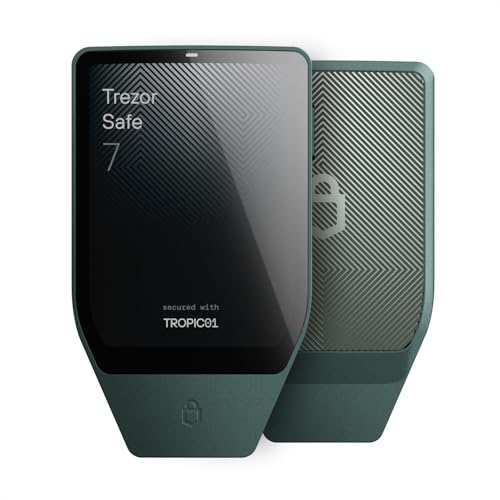
- ✓ Industry-leading security features
- ✓ Wireless control and charging
- ✓ Premium, durable build
- ✕ Higher price point
- ✕ Slight learning curve for new users
| Security Architecture | Dual-chip architecture with TROPIC01 chip and EAL6+ Secure Element |
| Quantum-Ready Security | Designed with quantum-resistant architecture to protect against future threats |
| Display | High-resolution color touchscreen |
| Connectivity | Wireless Bluetooth with encrypted control, USB-C, and Qi2-compatible wireless charging |
| Build and Durability | Anodized aluminum unibody, reinforced glass back, IP54-rated dust and splash resistance |
| Battery | Durable LiFePO₄ battery |
Imagine you’re at your desk, about to make a big crypto move, when you realize your old wallet just isn’t cutting it anymore. You reach for the Trezor Safe 7 in its sleek Obsidian Green, feeling its cool, anodized aluminum body under your fingertips.
The high-resolution touchscreen practically beckons you to navigate your assets with clarity and confidence.
The first thing you’ll notice is its impressive build quality. The reinforced glass back and IP54 rating mean it’s durable enough for daily use and occasional splashes.
The wireless Bluetooth control, combined with encrypted connections, makes managing your crypto feel seamless—no more tangled cables or fumbling with USBs.
Setting it up was straightforward, thanks to the intuitive Trezor Suite app on my phone. The dual-chip architecture, with its transparent security layers, gave me peace of mind.
Plus, the quantum-ready security architecture feels like future-proofing your assets against the unknown threats ahead.
Using the touchscreen, reviewing transactions or swapping coins happens in a flash. The Qi2 wireless charging is a nice touch—literally—keeping your device powered without clutter.
It’s designed to be both stylish and functional, fitting comfortably into everyday life while protecting your most valuable assets with industry-leading security.
All in all, this wallet feels like a serious upgrade from typical hardware options. It combines top-tier security, convenience, and premium design—perfect for anyone serious about safeguarding their crypto long-term.
TANGEM Crypto Wallet Pack of 2 – Trusted Cold Storage

- ✓ Extremely secure
- ✓ Easy multi-chain access
- ✓ Durable and long-lasting
- ✕ No Bluetooth option
- ✕ Slightly pricey
| Security Chip | EAL6+ certified secure element |
| Backup Method | Encrypted backup cards with end-to-end encryption |
| Compatibility | Supports over 90 blockchains, 16,100+ coins and tokens, DeFi, NFTs, staking |
| Durability | Waterproof (IP69K), shockproof, temperature range from -25°C to 50°C, rated for up to 25 years |
| Connectivity | Offline, no USB, Bluetooth, or batteries required |
| Security Features | Seedless design, private key generated inside secure chip, optional seed phrase for advanced users |
That feeling of finally holding a secure crypto wallet you’ve read so much about? Yeah, that was me when I unboxed the TANGEM Crypto Wallet Pack of 2.
The sleek, minimalist design instantly caught my eye—it’s compact enough to slide into your wallet or pocket without feeling bulky.
What really stood out is how the wallet is seedless by design. You never see or type a seed phrase, which instantly makes it more secure.
The private key is generated inside a tough EAL6+ chip, and it never leaves that chip. This means no risk of theft from tampering, phishing, or keyloggers.
Managing my crypto across over 90 blockchains felt effortless—just a tap, no cables or Bluetooth needed. It’s super straightforward to access my coins, tokens, DeFi, NFTs, and staking options right from my phone.
Plus, the backup system is smart: two encrypted cards, stored separately, so losing one doesn’t mean losing everything.
Durability was a surprise—IP69K waterproof, shockproof, and tested from -25°C to 50°C. That’s peace of mind for long-term storage, even if you’re outdoors or in extreme conditions.
And with optional seed phrase support, it caters to both beginners and advanced users.
Overall, this wallet feels like a fortress for my crypto assets. It’s simple, secure, and built to last decades.
At around $50, it’s a smart investment for anyone serious about safekeeping their digital wealth.
What Is a Crypto Wallet and Why Do I Need One?
A crypto wallet is defined as a digital tool that allows users to store, manage, and interact with cryptocurrencies and digital assets. It does not store the actual currency but instead holds the private keys required to access and transact with the cryptocurrency on the blockchain.
According to Investopedia, a crypto wallet can be either hardware-based or software-based, with hardware wallets being physical devices that provide enhanced security against hacking, while software wallets can be mobile or desktop applications that offer greater convenience for everyday transactions.
Key aspects of crypto wallets include the type of wallet (hardware vs. software), security features, and ease of use. Hardware wallets, such as Ledger and Trezor, are considered among the safest options because they store private keys offline, making them less susceptible to cyber threats. Software wallets, like Exodus or MetaMask, offer more accessibility for trading and transactions but may expose users to greater risks if not adequately secured. Furthermore, wallets can be categorized as custodial, where a third party manages the keys, or non-custodial, where users retain full control over their private keys.
This impacts the way individuals and businesses interact with cryptocurrencies. A secure wallet is essential for protecting investments, as the rise of cybercrime related to cryptocurrencies has prompted users to seek out the best safe wallet for crypto. In 2021 alone, the total value of cryptocurrency stolen via hacks was estimated to be over $3.2 billion, highlighting the critical need for secure storage solutions.
The benefits of using a reliable crypto wallet include enhanced security, control over assets, and the ability to engage in transactions seamlessly. By using a safe wallet, users can protect their investments from theft, manage their assets efficiently, and participate in the growing ecosystem of decentralized finance (DeFi) and non-fungible tokens (NFTs). Additionally, some wallets offer features like staking and lending, allowing users to earn passive income on their holdings.
Best practices for securing a crypto wallet involve enabling two-factor authentication, regularly updating software, using strong passwords, and keeping hardware wallets in a secure location. Users should also back up their wallets and understand the risks associated with different types of wallets to choose the best safe wallet for crypto based on their needs and investment strategies.
What Types of Crypto Wallets Are Available and How Do They Differ?
There are several types of crypto wallets, each offering different levels of security and convenience for users.
- Hardware Wallets: These are physical devices that securely store private keys offline, making them highly resistant to online hacking attempts.
- Software Wallets: These wallets are applications or software programs that can be installed on computers or smartphones, providing easy access to cryptocurrencies but are more vulnerable to malware.
- Web Wallets: Accessible via web browsers, these wallets are hosted online and can be used from any device, but they are often less secure due to reliance on third-party services.
- Paper Wallets: A physical printout of your cryptocurrency’s private and public keys, paper wallets offer a high level of security as they are completely offline but can be easily lost or damaged.
- Mobile Wallets: Specifically designed for smartphones, these wallets combine the convenience of software wallets with mobile features, allowing users to make quick transactions but requiring careful security practices.
Hardware wallets, such as Ledger and Trezor, are considered some of the best safe wallets for crypto because they store your private keys offline, minimizing the risk of online theft. They typically come with user-friendly interfaces and robust encryption, making them ideal for long-term storage of cryptocurrencies.
Software wallets, including Exodus and Electrum, provide an accessible way to manage your crypto assets directly from your desktop or mobile device. While they are convenient for everyday transactions, users must ensure their devices are secure to protect against malware and phishing attacks.
Web wallets like Coinbase and Binance allow users to trade and manage cryptocurrencies directly through their browsers. However, since these wallets are hosted by third parties, they are more susceptible to hacking, making them less secure than hardware or paper wallets.
Paper wallets represent a method of storing cryptocurrency that involves generating keys offline and printing them. While this method is incredibly secure against online threats, it requires careful handling and proper storage to prevent loss or physical damage.
Mobile wallets, such as Trust Wallet and Mycelium, strike a balance between convenience and security, allowing users to quickly access their cryptocurrencies on-the-go. However, they require users to implement strong security practices, such as enabling two-factor authentication and setting up strong passwords.
How Do Hardware Wallets Ensure Better Security?
Firmware verification is critical because it ensures that the wallet’s software has not been compromised. By allowing only trusted firmware to be installed, users can be confident that their device remains secure against newly discovered vulnerabilities.
Multi-factor authentication adds another line of defense by requiring users to confirm their identity before accessing their funds. This extra step makes it much harder for unauthorized individuals to gain access to the wallet, even if they have physical possession of it.
Transaction confirmation on the device itself is a crucial safety measure; it ensures that even if the computer or mobile device is hacked, the actual transaction must be approved on the hardware wallet, thus preventing unauthorized transfers.
Lastly, backup and recovery options provide peace of mind for users by allowing them to recover their funds if the hardware wallet is lost or damaged. These secure recovery phrases ensure that even in the worst-case scenario, users can still regain access to their cryptocurrency holdings.
What Are the Benefits of Using Software Wallets?
Software wallets offer several benefits for managing cryptocurrency securely and conveniently.
- Convenience: Software wallets are typically user-friendly and easy to set up, allowing users to quickly access their cryptocurrency from any device with internet connectivity.
- Control of Private Keys: Many software wallets provide users with complete control over their private keys, enhancing security compared to wallets held by exchanges.
- Integration with Exchanges: Software wallets often integrate seamlessly with cryptocurrency exchanges, making it easier for users to buy, sell, and trade their assets.
- Multi-Currency Support: Many software wallets support a wide range of cryptocurrencies, allowing users to manage different coins in one application.
- Regular Updates and Community Support: Software wallets are frequently updated to improve security features and functionality, and they often have active community support for troubleshooting and advice.
- Backup and Recovery Options: Most software wallets provide backup features, enabling users to recover their funds in case of device loss or failure.
Convenience: Software wallets are typically user-friendly and easy to set up, allowing users to quickly access their cryptocurrency from any device with internet connectivity. This accessibility is particularly beneficial for users who need to perform transactions frequently or on-the-go.
Control of Private Keys: Many software wallets provide users with complete control over their private keys, enhancing security compared to wallets held by exchanges. This means that users are solely responsible for their cryptocurrency, reducing the risk of loss due to exchange hacks.
Integration with Exchanges: Software wallets often integrate seamlessly with cryptocurrency exchanges, making it easier for users to buy, sell, and trade their assets. This feature can save time and effort as users do not have to transfer funds between different platforms.
Multi-Currency Support: Many software wallets support a wide range of cryptocurrencies, allowing users to manage different coins in one application. This feature is particularly useful for investors who hold a diverse portfolio.
Regular Updates and Community Support: Software wallets are frequently updated to improve security features and functionality, and they often have active community support for troubleshooting and advice. This ensures that users benefit from the latest security measures and best practices.
Backup and Recovery Options: Most software wallets provide backup features, enabling users to recover their funds in case of device loss or failure. This is crucial for ensuring that users do not lose access to their cryptocurrencies due to unforeseen circumstances.
What Factors Should I Consider to Choose the Safest Wallet for My Crypto?
When choosing the safest wallet for your cryptocurrency, consider the following factors:
- Type of Wallet: Different types of wallets include hardware, software, and paper wallets, each with its own level of security.
- Private Key Control: Ensure that you have full control over your private keys to prevent unauthorized access.
- Security Features: Look for wallets that offer advanced security features such as two-factor authentication and encryption.
- Reputation and Reviews: Research the wallet’s reputation and read user reviews to gauge its reliability and security track record.
- Backup Options: A good wallet should provide easy backup options to recover your funds in case of device loss or failure.
- User Experience: The wallet should have a user-friendly interface, making it easy to manage your cryptocurrency safely.
Type of Wallet: The safest wallets can be categorized into hardware wallets, which store your cryptocurrency offline, software wallets, which can be online or mobile apps, and paper wallets, which are physical prints of your keys. Hardware wallets are generally considered the safest option because they are less susceptible to hacking compared to software wallets.
Private Key Control: It is crucial to choose a wallet that allows you to manage your private keys. If a wallet does not provide you with access to your private keys, you are essentially trusting a third party with your assets, which can be risky.
Security Features: Advanced security features enhance the safety of your wallet. Two-factor authentication (2FA) adds an extra layer of security by requiring a second form of verification, while encryption helps protect your data from unauthorized access.
Reputation and Reviews: Investigating the wallet’s reputation through user reviews and expert evaluations can provide insights into its security and reliability. A well-reviewed wallet is likely to offer better protection against potential threats.
Backup Options: Look for wallets that offer robust backup solutions, such as seed phrases or recovery keys. These features allow you to restore access to your funds in case your device is lost, stolen, or damaged.
User Experience: A wallet with a user-friendly interface can significantly enhance your experience while managing cryptocurrencies. It should be easy to navigate, enabling you to perform transactions without confusion, which is especially important for newcomers to crypto.
How Crucial Is Security When Selecting a Crypto Wallet?
Security is paramount when selecting a crypto wallet, as it directly impacts the safety of your digital assets.
- Private Key Control: The best safe wallet for crypto allows users to maintain control over their private keys, which are crucial for accessing and managing their cryptocurrencies. Wallets that provide private key custody ensure that only the user has the ability to authorize transactions, significantly reducing the risk of theft or loss.
- Two-Factor Authentication (2FA): Implementing 2FA adds an extra layer of security, requiring users to provide two forms of verification before accessing their wallet. This method helps protect against unauthorized access, as even if someone obtains your password, they would still need the second factor to gain entry.
- Hardware Wallets: Hardware wallets are physical devices that store cryptocurrencies offline, making them less susceptible to hacking. They are considered one of the safest options for storing crypto, as they remain disconnected from the internet, thus reducing exposure to online threats.
- Multi-Signature Support: Multi-signature wallets require multiple private keys to authorize a transaction, enhancing security by distributing control among several parties. This feature is particularly useful for organizations or individuals who want to ensure that no single person has unilateral access to the funds.
- Regular Software Updates: A wallet that frequently updates its software shows a commitment to security and improvement. These updates often include patches for vulnerabilities and enhancements to the overall security framework, making it crucial for users to choose wallets that maintain active development and support.
- Reputation and Reviews: Researching the reputation of a crypto wallet through user reviews and expert opinions can provide insight into its security features and reliability. Well-reviewed wallets are typically more trustworthy and have undergone scrutiny by the crypto community, which can help in identifying the best options for secure storage.
What User Experience Features Should I Look For in a Wallet?
When searching for the best safe wallet for crypto, consider the following user experience features:
- Security Features: Look for wallets that offer robust security measures such as two-factor authentication (2FA), biometric access (fingerprint or facial recognition), and end-to-end encryption. These features help protect your assets from unauthorized access and potential hacks.
- User Interface: A user-friendly interface is crucial for managing your crypto assets efficiently. Choose wallets with intuitive navigation and clear layouts that make it easy to buy, sell, and transfer cryptocurrencies without confusion.
- Backup and Recovery Options: Reliable wallets should provide straightforward backup and recovery options, such as seed phrases or private key exports. This ensures that you can regain access to your funds in case of device loss or failure.
- Multi-Currency Support: If you plan to hold different cryptocurrencies, consider wallets that support a wide range of digital assets. This feature allows for easier management and trading of various cryptocurrencies within a single platform.
- Transaction Fees: Evaluate the transaction fees associated with using the wallet, as high fees can diminish your overall returns. Look for wallets that offer competitive rates or free transactions, especially if you plan to make frequent trades.
- Customer Support: Good customer support can make a significant difference, particularly for users who may encounter issues or have questions. Opt for wallets that provide responsive support channels, such as live chat, email, or comprehensive help centers.
- Multi-Platform Access: A wallet that is accessible across multiple platforms (desktop, mobile, web) enhances convenience and flexibility. This feature allows you to manage your crypto holdings seamlessly, regardless of the device you are using.
- Integration with Other Services: Look for wallets that allow integration with other crypto services, such as exchanges or DeFi platforms. This can streamline your trading process and enhance your overall crypto experience.
Which Are the Most Trustworthy Safe Wallets for Storing My Cryptocurrency?
The most trustworthy safe wallets for storing cryptocurrency include hardware wallets, software wallets, paper wallets, and mobile wallets.
- Hardware Wallets: These are physical devices designed to securely store your private keys offline, making them immune to online hacking attempts.
- Software Wallets: These are applications or software that can be installed on your computer or mobile device, offering a balance between convenience and security.
- Paper Wallets: A paper wallet involves printing your public and private keys on paper, which can be stored securely, making it a cold storage option that is completely offline.
- Mobile Wallets: These are apps specifically designed for smartphones, allowing users to store and manage their cryptocurrencies conveniently while providing varying levels of security.
Hardware wallets, such as Ledger Nano S and Trezor, are considered the most secure option because they store your private keys in an isolated environment and require physical access to authorize transactions, making them nearly impossible to hack remotely.
Software wallets, like Exodus and Electrum, provide a user-friendly interface and quick access to your funds, but they are connected to the internet, which poses a risk of malware attacks, so it is crucial to keep them updated and use additional security measures.
Paper wallets are a highly secure method since they are not connected to the internet, but they require careful handling to avoid physical damage or loss; once created, the wallet must be stored in a safe place to prevent unauthorized access.
Mobile wallets, such as Trust Wallet and Mycelium, allow for easy access to cryptocurrencies while on the go, but security features can vary, so it’s important to choose wallets that offer enhanced security options like biometric login and two-factor authentication.
What Best Practices Can I Follow to Keep My Crypto Wallet Secure?
To ensure the security of your crypto wallet, consider the following best practices:
- Use Hardware Wallets: Hardware wallets are physical devices that store your private keys offline, making them highly secure against online hacking attempts. Popular examples include Ledger and Trezor, which provide an extra layer of security by requiring physical access to the device to authorize transactions.
- Enable Two-Factor Authentication (2FA): Implementing 2FA adds an additional security layer by requiring a second form of verification, such as a text message or authentication app, whenever you log in or make transactions. This significantly reduces the risk of unauthorized access even if your password is compromised.
- Keep Software Updated: Regularly updating your wallet software and any associated applications ensures you have the latest security patches and features. Many vulnerabilities are addressed in updates, so staying current is essential to protect against potential exploits.
- Use Strong Passwords: Creating complex and unique passwords for your wallet accounts will help prevent unauthorized access. Consider using a combination of letters, numbers, and special characters, and avoid reusing passwords across different platforms to minimize risk.
- Backup Your Wallet: Regularly backing up your wallet ensures that you can recover your funds in case of device failure or loss. Store backups in multiple secure locations, such as encrypted USB drives or secure cloud storage, to ensure they are not easily accessible to potential thieves.
- Avoid Phishing Scams: Be vigilant about phishing attempts that try to trick you into revealing your wallet credentials. Always verify the authenticity of websites and emails before entering sensitive information, and consider using bookmarks for frequently visited sites to avoid malicious links.
- Store Private Keys Securely: Your private keys are the most critical aspect of wallet security; store them in a secure location and never share them. Consider using a secure password manager or writing them down and keeping them in a safe place to prevent loss or theft.
- Limit Exposure to Internet: If possible, use an air-gapped computer (one that is never connected to the internet) to manage your crypto assets. This minimizes the risk of online attacks and ensures that your private keys remain secure from malware and hacking attempts.