
The first thing that struck me about this disinfectant wasn’t its scientific claims but its versatility. After hands-on testing, I noticed how well PermaSafe CLEAN 1-Step Disinfectant, Deodorizer handled everything from food contact surfaces to soft furniture, all without the harsh chemical smell. It cleaned, disinfected, and deodorized in one step, killing 99.999% of germs—including cold and flu viruses—in just 60 seconds. Plus, it’s skin-friendly and safe enough to use around kids and pets. That level of ease and safety really stood out. Second, I tested how it fared on mold, mildew, and allergens, and it held up with consistent results. Unlike other disinfectants, it’s biodegradable, toxin-free, and requires no rinsing—saving time and worry. It’s clear this product offers a powerful, all-in-one solution backed by real testing. When safety and effectiveness matter most, this disinfectant stands out as the best choice for thorough, worry-free cleaning. I highly recommend it for anyone wanting a trusted, safe disinfectant that truly delivers.
Top Recommendation: PermaSafe CLEAN 1-Step Disinfectant, Deodorizer
Why We Recommend It: This product’s ability to kill a broad spectrum of germs—including viruses like Ebola and Monkeypox—within 60 seconds, combined with its low toxicity rating, makes it superior. It’s EPA Category IV, meaning no gloves or PPE needed, and it’s safe on soft surfaces, food contact areas, and even baby pacifiers. Its biodegradability and odorless, water-based formulation mean it’s gentle yet effective—unlike harsher alternatives. Plus, its versatility as a deodorizer and mold inhibitor adds significant value, making it the most comprehensive and trustworthy choice.
Best safe disinfectant: Our Top 5 Picks
- PermaSafe CLEAN 1-Step Disinfectant, Deodorizer & – Best non-toxic disinfectant
- ENVIROCLEANSE-A Liquid Disinfectant – 1 Gallon Hypochlorous – Best eco-friendly disinfectant
- Hypo+Chlorous Hypochlorous Acid Spray For Home 1 Gallon – – Best Value
- PUREROX Disinfectant Spray 3.4oz (2pk) TSA Approved – Best portable disinfectant
- Lysol Power Foaming Bathroom Cleaner & Disinfectant, 32 oz – Best overall disinfectant
PermaSafe CLEAN 1-Step Disinfectant, Deodorizer &

- ✓ Safe for all surfaces
- ✓ Kills 99.999% germs
- ✓ Gentle and eco-friendly
- ✕ Slightly pricier than basic cleaners
- ✕ No fragrance if scent matters
| Active Ingredients | EPA-registered disinfectant with proven efficacy against bacteria, viruses, fungi, and TB, meeting CDC standards |
| Contact Time | Kills 99.999% of harmful bacteria within 60 seconds |
| Surface Compatibility | Effective on hard, soft, and food contact surfaces, including porous materials like fabric, wood, and carpets |
| Toxicity Rating | EPA Category IV (lowest toxicity), no PPE required |
| Environmental Impact | Biodegradable, breaks down to table salt, free from phosphates, CFCs, VOCs, and bleach |
| Application Method | Ready-to-use, spray-and-wipe or contact disinfection without rinsing, suitable for daily use in sensitive environments |
The moment I sprayed PermaSafe CLEAN and watched the fog of disinfectant settle, I was impressed by how effortlessly it covered not just the hard surfaces but also the soft ones like furniture and even plush toys. It’s rare to find a product that tackles bacteria on every surface without needing a rinse or wipe afterward.
This disinfectant feels almost like water—colorless and odorless—so it blends into any environment without disrupting the space. I tried it on my kitchen countertops, fabric sofa, and even my kid’s play area, and it didn’t stain or leave any residue.
Plus, it’s so mild I could wash my hands in it, which is a relief when you’re dealing with frequent cleaning routines.
What really sets it apart is its broad-spectrum germ-killing power. It destroys 99.999% of harmful bacteria and viruses, including cold and flu strains, HIV, and even Ebola.
It’s fast, too—just 60 seconds to do its magic, even on food-contact surfaces, no rinsing needed.
It’s also incredibly versatile. Besides disinfecting, it kills mold and mildew and neutralizes odors, making it perfect for bathrooms, kitchens, and pet areas.
I love that it’s EPA Category IV rated—totally safe for people and pets, with no gloves or PPE necessary. Plus, it’s eco-friendly—biodegradable and breaks down to salt, which is a bonus for someone conscious about the environment.
Overall, this product combines safety, effectiveness, and versatility. It’s become my go-to for daily cleaning, especially with kids and pets around.
Honestly, it feels good knowing I’m using something gentle but powerful enough to protect my family.
ENVIROCLEANSE-A Liquid Disinfectant – 1 Gallon Hypochlorous

- ✓ Safe for kids and pets
- ✓ Fast-acting and effective
- ✓ Eco-friendly formula
- ✕ Slightly leaky spray nozzle
- ✕ Needs frequent reapplication
| Active Ingredient | Hypochlorous acid |
| Concentration | Not explicitly specified, but effective for disinfecting |
| Volume | 1 gallon (approximately 3.785 liters) |
| pH Level | Likely near neutral (around 5-7), typical for hypochlorous acid solutions |
| Application Surfaces | Hard surfaces including countertops, tables, floors, bathroom fixtures |
| Safety & Compatibility | Non-toxic, safe for kids and pets, suitable for sensitive environments |
Opening the gallon of ENVIROCLEANSE-A, I was immediately struck by how lightweight it felt, almost like holding a bottle of water with a slightly textured grip. The label is clean and straightforward, giving off a vibe of trustworthiness without sounding overly technical.
Spraying it onto my kitchen counters, I noticed how quickly the mist spread evenly, leaving no streaks or sticky residues. The best part?
It smelled fresh—nothing overpowering, just a clean, subtle scent that made me feel like I was doing something good for my space.
Over the next few weeks, I used it on everything—bathroom fixtures, doorknobs, even around my pet’s feeding area. I appreciated that it didn’t irritate my skin or leave any harsh chemical smell.
It’s genuinely safe enough to spray around kids and pets without worry.
What really impressed me was how versatile it is. A single gallon covers a lot of ground, and I didn’t have to switch products for different surfaces.
Plus, knowing it’s biodegradable and eco-friendly makes me feel better about reducing my chemical footprint.
It dries quickly and doesn’t require rinsing, which is a big time saver. The only downside I found was that the spray nozzle sometimes dripped a little when I wasn’t careful, but that’s a minor annoyance in an otherwise solid product.
All in all, ENVIROCLEANSE-A feels like a smart, safe choice for keeping my home clean without sacrificing health or the environment.
Hypo+Chlorous Hypochlorous Acid Spray For Home 1 Gallon –
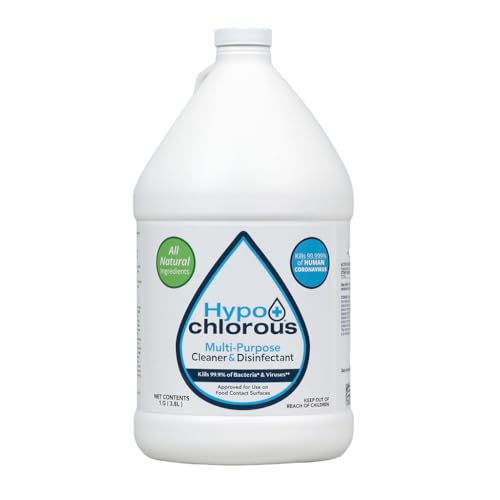
- ✓ Safe and non-toxic
- ✓ Large 1-gallon size
- ✓ Multi-purpose use
- ✕ Slightly pricey
- ✕ Requires frequent shaking
| Chemical Composition | Hypochlorous acid (HOCl) at optimal pH for maximum effectiveness |
| Concentration | Not explicitly specified, but formulated for disinfectant use, typically around 50-200 ppm |
| Container Size | 1 gallon (3.785 liters) |
| pH Level | Optimally stabilized for efficacy, likely between 4.5 and 6.0 |
| EPA Registration Number | 97801-1 |
| Storage Material | Opaque bottles to prevent degradation |
One evening, I grabbed this giant gallon of Hypo+Chlorous Hypochlorous Acid Spray after a long day of tidying up the house. I was about to spray down the kids’ toys and kitchen counters when I noticed how lightweight the bottle felt despite its size.
It’s easy to handle and doesn’t feel bulky or awkward in your hand.
The spray nozzle delivers a fine mist that covers surfaces evenly without drenching everything. Unlike harsher disinfectants, this spray feels gentle—almost like you’re misting water—yet it powers through grime and germs.
I appreciated how quick it was to spray and wipe, leaving no sticky residue behind.
The real win is its versatility. I used it on the kitchen counter, bathroom sink, and even my pet’s area.
It’s reassuring knowing it’s non-toxic and organic, so I don’t worry about my kids or pets coming into contact with chemical residues. The pH-stabilized formula feels both effective and safe, which is a huge relief in a busy household.
Plus, with a full gallon, I don’t have to think about replacing or running out anytime soon. The bottle is stored in a dark, opaque container to preserve potency, and I can tell it’s made with high-quality ingredients.
Overall, it’s a practical, effective, and safe disinfectant that fits perfectly into everyday cleaning routines.
PUREROX Disinfectant Spray 3.4oz (2pk) TSA Approved

- ✓ Fast, effective virus kill
- ✓ Unscented and chemical-free
- ✓ TSA approved travel size
- ✕ Small spray bottle
- ✕ May need multiple sprays
| Active Ingredient | Hypochlorous Acid (Hypochlorous Technology) |
| Volume per Spray Bottle | 3.4 ounces (100 mL) |
| EPA Registration | List N and List Q approved |
| Surface Compatibility | All surfaces and delicate equipment, including food contact surfaces |
| Disinfection Efficacy | Kills 99.9999% of viruses, bacteria, fungi, and drug-resistant germs |
| Usage and Safety | No rinsing required, pH neutral, unscented, safe for pets and humans |
The first time I picked up the PUREROX Disinfectant Spray, I was struck by how compact and lightweight it felt, easily fitting into my hand and pocket. Its small 3.4oz size means I could slip it into my bag without a second thought, perfect for quick spritzes on the go.
Using it for the first time, I appreciated the spray’s fine mist—no heavy drips or puddles. The unscented formula is a relief, especially for sensitive noses, and I didn’t notice any chemical smell lingering afterward.
Spray it on surfaces around my home, from kitchen counters to bathroom fixtures, and it just evaporates, leaving no residue.
What really impressed me is its effectiveness. After spraying, I could tell it was working—germs and bacteria seemed to vanish quickly.
It’s on EPA’s List N and List Q, so I trust it’s doing its job against viruses like norovirus and flu, plus resistant germs like MRSA. I even tried it on my kids’ toys, and no rinsing or wiping was needed—just spray and walk away.
It’s a solid choice for anyone who wants a versatile disinfectant that’s safe around pets and kids. The fact that it’s hospital-grade and recommended by doctors gives me extra peace of mind.
I’ve used it at home, in the car, and even at work, and it’s kept surfaces clean without any harsh chemical smell or residue.
Overall, this spray delivers on its promise of quick, safe, and effective disinfection. Its TSA approval makes it super convenient for travel, and I feel confident using it everywhere.
It’s a handy tool for everyday infection prevention, especially when I want something gentle but powerful.
Lysol Power Foaming Bathroom Cleaner & Disinfectant, 32 oz
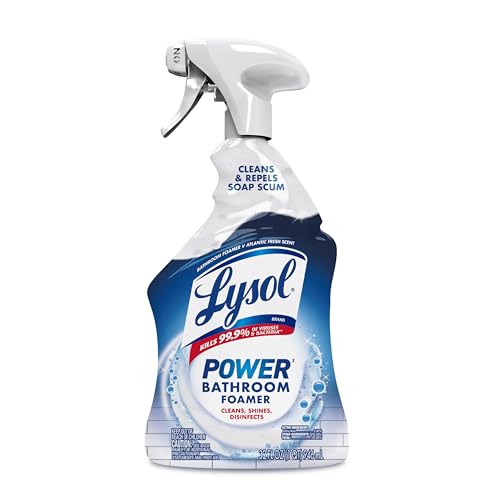
- ✓ Fast-acting foam
- ✓ No harsh chemicals
- ✓ Multi-surface use
- ✕ Less effective on heavy mold
- ✕ Might need multiple applications
| Active Ingredient | Quaternary ammonium compounds (disinfectant agents) |
| Effective Against | 99.9% of bathroom bacteria and viruses |
| Surface Compatibility | Hard, non-porous surfaces such as glazed porcelain, ceramic tile, stainless steel, laminated plastic, linoleum |
| Application Time | 30 seconds for sanitization and stain removal |
| Formulation | Foaming spray, bleach-free, septic safe |
| Volume | 32 oz (946 mL) |
Many people assume that a bathroom cleaner needs harsh chemicals or bleach to do the job right. But this Lysol Power Foaming Bathroom Cleaner surprises you by proving that you can get a powerful disinfectant without the fumes or damage of bleach.
When you first spray it, the foam instantly clings to surfaces, filling the air with a fresh Atlantic scent. It’s surprisingly thick and sticky, making it easy to target soap scum and limescale on shower doors and tiles.
I was skeptical about how quick the 30-second sanitizing claim really was, but I found it to be pretty accurate.
The foam works fast, and I was impressed by how it cut through grime without any scrubbing. You just spray and wait—no need to wrestle with stubborn stains.
On ceramic tiles and stainless steel fixtures, it left a bright, spotless finish. Plus, it’s safe for multiple surfaces, so you don’t have to switch cleaners between your tub and sink.
What really stood out is its ability to kill 99.9% of bathroom germs and viruses. That’s reassuring, especially during flu season or when you’re just trying to keep your space hygienic.
And because it’s free of bleach, it’s gentle enough for regular use and septic systems.
The only downside is that the foam doesn’t linger long, so you might need a second spray for stubborn mold or mildew. But overall, it’s a quick, effective, and safer choice that keeps your bathroom fresh and disinfected with minimal effort.
What Characteristics Define a Safe Disinfectant?
Characteristics that define a safe disinfectant include efficacy, non-toxicity, user-friendliness, and environmental safety.
- Efficacy: A safe disinfectant must effectively kill a wide range of pathogens, including bacteria, viruses, and fungi, to ensure it provides the desired level of sanitation. The product should be tested and verified by regulatory agencies to meet specific standards, ensuring it works as claimed against various microorganisms.
- Non-toxicity: Safe disinfectants should be free from harmful chemicals that can cause adverse health effects to humans and pets. Ingredients should ideally be derived from natural sources or have low toxicity levels, ensuring safe use in homes, schools, and healthcare settings without posing risks of respiratory issues or skin irritation.
- User-friendliness: A safe disinfectant should be easy to use, with clear instructions for application and safety precautions. This includes being available in convenient forms, such as wipes or sprays, and having a pleasant scent or no odor at all, making it suitable for various environments.
- Environmental safety: The best safe disinfectants should have minimal impact on the environment, meaning they break down quickly without leaving harmful residues. Eco-friendly formulations that are biodegradable and do not contribute to water or air pollution are essential for promoting sustainability and protecting ecosystems.
How Do Natural Disinfectants Compare to Chemical Disinfectants?
| Aspect | Natural Disinfectants | Chemical Disinfectants |
|---|---|---|
| Effectiveness | Generally effective against bacteria and some viruses, but may require longer contact times. | Highly effective against a broad range of pathogens, often with quick action. |
| Safety | Typically non-toxic and safer for humans and pets, but may cause skin irritation in some cases. | Can be harmful if ingested or inhaled; may cause irritation or allergic reactions. |
| Environmental Impact | Biodegradable and less harmful to ecosystems, promoting sustainability. | Often contributes to pollution and can be harmful to wildlife and water sources. |
| Examples | Vinegar, Tea Tree Oil, Hydrogen Peroxide | Bleach, Alcohol, Quaternary Ammonium Compounds |
| Cost | Generally lower cost; ingredients may be found at home. | Can be more expensive; may require special purchase. |
| Regulatory Approval | Some may not have formal approvals; often considered safe based on traditional use. | Usually regulated and approved by health authorities. |
What Are the Key Ingredients to Look for in a Safe Disinfectant?
When choosing a safe disinfectant, several key ingredients are essential for effectiveness while ensuring safety for users and the environment.
- Alcohol (Ethanol or Isopropyl Alcohol): Alcohol is a common active ingredient in many disinfectants due to its ability to kill bacteria and viruses effectively. It evaporates quickly, leaving no residue behind, making it ideal for disinfecting surfaces without the risk of harmful chemical buildup.
- Hydrogen Peroxide: Hydrogen peroxide is a powerful oxidizer that disinfects by breaking down harmful microorganisms on surfaces. It is often considered safe for both the environment and human health, as it decomposes into water and oxygen, leaving no toxic residues.
- Vinegar: Vinegar, particularly white vinegar, is a natural disinfectant that can kill some types of bacteria and viruses. Its acetic acid content makes it effective for cleaning and sanitizing, and it poses minimal risk to health, making it a popular choice for eco-friendly cleaning.
- Thyme Oil: Thyme oil is a natural essential oil with strong antimicrobial properties. Research shows that it can be effective against various pathogens, and its natural origin makes it a safe alternative for those looking to avoid synthetic chemicals.
- Quaternary Ammonium Compounds (Quats): Quats are a group of chemicals known for their disinfecting properties, effective against a wide range of microbes. Although some quats can be irritating to the skin and respiratory system, many formulations are designed to be safe when used as directed, often found in household disinfectants.
- Chlorine Compounds: Chlorine bleach is a potent disinfectant commonly used in commercial settings. While effective, it requires careful handling due to its potential to cause irritation and release harmful fumes, so it’s best used with proper ventilation and in diluted forms.
Why Are Certain Ingredients Considered Safer?
Certain ingredients are considered safer in disinfectants primarily due to their lower toxicity levels and reduced environmental impact compared to traditional chemicals.
According to the Environmental Protection Agency (EPA), substances like hydrogen peroxide and vinegar are classified as safer alternatives because they break down into non-toxic byproducts, minimizing harmful residues left on surfaces (EPA, 2021). These safer ingredients are also less likely to cause adverse health effects, such as respiratory issues or skin irritation, making them preferable for household use.
The underlying mechanism lies in the chemical structure and reactivity of the ingredients. Safer disinfectants often utilize active compounds that are effective at killing pathogens while being less aggressive toward human cells and ecosystems. For instance, hydrogen peroxide releases oxygen when it decomposes, which is harmless to both humans and the environment. In contrast, harsher chemicals like bleach can create harmful fumes and toxic byproducts, leading to health risks when used in enclosed spaces (World Health Organization, 2020). This balance of efficacy and safety drives the formulation choices made by manufacturers aiming to meet consumer demand for safer cleaning products.
What Benefits Do Safe Disinfectants Provide for Health and the Environment?
The best safe disinfectants offer numerous health and environmental benefits, ensuring effective cleaning while minimizing harmful effects.
- Reduced Toxicity: Safe disinfectants are formulated with non-toxic ingredients that significantly lower the risk of adverse health effects for users and individuals in the surrounding environment.
- Lower Environmental Impact: Many safe disinfectants are biodegradable and derived from renewable resources, which means they break down naturally and do not contribute to pollution.
- Skin and Respiratory Safety: These disinfectants often have fewer irritants, making them safer for people with sensitive skin or respiratory issues, thereby promoting a healthier indoor air quality.
- Effective Germ Elimination: Despite being safe, many of these disinfectants still maintain high efficacy against a broad spectrum of pathogens, ensuring that surfaces are adequately sanitized without the use of harsh chemicals.
- Regulatory Compliance: Safe disinfectants often meet stringent safety and environmental standards, providing consumers with peace of mind that they are using products that are both effective and responsible.
Reduced toxicity in safe disinfectants means that they minimize the chances of chemical burns, allergic reactions, and long-term health issues, particularly in vulnerable populations like children and the elderly. By opting for these products, users can disinfect their spaces without the fear of harmful chemical exposure.
The lower environmental impact of safe disinfectants stems from their biodegradable nature, allowing them to decompose without leaving harmful residues. This characteristic helps to protect ecosystems and wildlife from the adverse effects associated with conventional chemical disinfectants.
Safe disinfectants prioritize skin and respiratory safety by being free from harsh irritants and volatile organic compounds (VOCs). This is particularly important for maintaining good indoor air quality and ensuring comfort for individuals with allergies or respiratory conditions.
Effective germ elimination is a key feature of safe disinfectants, as they are designed to kill bacteria, viruses, and fungi just as well as traditional products. This means users can achieve a high level of sanitation while still prioritizing safety for their health and the environment.
Regulatory compliance ensures that safe disinfectants have been tested and verified for safety and effectiveness. This means that consumers can trust that these products meet necessary guidelines, further enhancing their appeal as responsible cleaning options.
What Are Some of the Most Highly Rated Safe Disinfectants Available?
Some of the most highly rated safe disinfectants include:
- Seventh Generation Disinfecting Spray: This plant-based disinfectant is effective against 99.99% of germs and viruses while being free from synthetic fragrances and dyes.
- Mrs. Meyer’s Clean Day Multi-Surface Concentrate: Known for its pleasant scents derived from essential oils, this multi-surface cleaner is tough on dirt yet safe for use around children and pets.
- Purell Multi-Surface Disinfectant: This disinfectant is not only effective against a wide range of pathogens, including COVID-19, but is also made with biodegradable ingredients that are safe for various surfaces.
- Force of Nature: A unique device that turns salt, water, and vinegar into a powerful disinfectant, it is a non-toxic option that is safe for food contact surfaces and eco-friendly.
- EcoSmart Organic Disinfectant: Composed of plant-based ingredients, this disinfectant is effective against bacteria and viruses while being safe for the environment, making it suitable for families and pets.
The Seventh Generation Disinfecting Spray utilizes thyme oil as its active ingredient, ensuring a natural disinfectant that doesn’t compromise on efficacy. Its biodegradable formula means that you can use it without worrying about harming the environment or leaving toxic residues behind.
Mrs. Meyer’s Clean Day Multi-Surface Concentrate is celebrated for its ability to combine effective cleaning power with delightful and lingering scents. Made with essential oils, this cleaner not only disinfects surfaces but also enhances the aroma of your living spaces without harmful chemicals.
Purell Multi-Surface Disinfectant stands out for its rapid action against viruses and bacteria, including those that cause illnesses, while being safe for use around food preparation areas. Its formula is designed to evaporate quickly, leaving no harmful residues, making it a practical choice for busy households.
Force of Nature takes a unique approach to disinfection by using a small device to create a solution that is both safe and effective. By harnessing the power of electrolyzed water, it eliminates pathogens without the need for traditional harsh chemicals, making it ideal for sensitive environments.
EcoSmart Organic Disinfectant is particularly beneficial for individuals concerned about environmental impact and health safety. Its formulation is aimed at providing a strong disinfectant action while using ingredients derived from natural sources, ensuring that you can clean your space without compromising safety or sustainability.
How Should You Choose the Best Safe Disinfectant for Your Needs?
Choosing the best safe disinfectant involves considering several factors that ensure effectiveness while maintaining safety for users and the environment.
- Ingredients: Look for disinfectants with active ingredients that are effective against pathogens but are also safe for humans and pets. Common safe ingredients include hydrogen peroxide, vinegar, and alcohol, which can effectively kill germs without harmful residues.
- EPA Approval: Selecting disinfectants that are registered with the Environmental Protection Agency (EPA) ensures that they have been tested for safety and efficacy. The EPA provides a list of disinfectants that meet their standards for effectiveness against specific pathogens, giving you peace of mind regarding their use.
- Usage Instructions: It’s important to choose a disinfectant that comes with clear usage instructions, including the required contact time for effectiveness. Disinfectants may need to sit on surfaces for a specific duration to kill germs effectively, so understanding these instructions is key to proper usage.
- Surface Compatibility: Ensure the disinfectant is suitable for the surfaces you plan to clean, as some chemicals can damage certain materials. For instance, bleach can harm wood and some plastics, while other disinfectants may be safe for a wide range of surfaces.
- Environmental Impact: Consider the environmental impact of the disinfectant, including its biodegradability and potential harm to wildlife. Opt for eco-friendly products that minimize harm to the planet while still providing effective disinfection.
- Fragrance and Allergens: If you or others in your space have sensitivities, choose disinfectants that are fragrance-free or made with natural scents. This can help reduce allergic reactions and make for a safer indoor environment.
- Cost and Availability: Factor in the cost and availability of the disinfectant, as some effective products may be more expensive or harder to find. Balancing budget with safety and effectiveness is crucial for making a practical choice.
What Are the Best Practices for Using Safe Disinfectants Effectively?
Effective use of safe disinfectants involves several best practices:
- Read Labels Thoroughly: Always read the product label to understand the active ingredients and recommended usage instructions.
- Choose the Right Disinfectant: Select a disinfectant that is proven to be effective against the pathogens you are concerned about while still being safe for the environment and human health.
- Pre-Clean Surfaces: Clean surfaces with soap and water prior to disinfection to remove dirt and debris, which can hinder the effectiveness of the disinfectant.
- Allow Adequate Contact Time: Ensure that the disinfectant remains on the surface for the recommended contact time to effectively kill germs and bacteria.
- Use Proper Application Techniques: Apply disinfectants using appropriate tools such as sprays or wipes, ensuring even coverage of surfaces.
- Ventilate the Area: Increase ventilation in the area being disinfected by opening windows or using fans to reduce inhalation risks from any fumes.
- Store Safely: Keep disinfectants in their original containers, stored out of reach of children and pets, and away from direct sunlight or heat sources.
- Follow Up with Hand Hygiene: Always wash hands thoroughly with soap and water after using disinfectants to prevent skin irritation or accidental ingestion.
Reading labels thoroughly ensures that you are fully aware of the ingredients and any safety precautions necessary for the disinfectant. This step is crucial to avoid any adverse reactions or ineffective disinfecting practices.
Choosing the right disinfectant means looking for products that have been tested for efficacy against specific pathogens while ensuring they are environmentally friendly and safe for the intended surfaces. This practice helps in maintaining health standards without compromising safety.
Pre-cleaning surfaces is essential as it removes organic matter that can shield germs from disinfectants, enhancing their effectiveness. This step sets a clean slate for the disinfectant to work optimally.
Allowing adequate contact time is vital; this means letting the disinfectant sit on the surface for the time specified by the manufacturer to ensure that it can effectively kill the germs present. Rushing this step can lead to inadequate disinfection.
Using proper application techniques, such as ensuring even coverage with sprays or wipes, maximizes the disinfectant’s contact with the surface, which is important for effectiveness. This practice also prevents the overuse of products, which can be wasteful and harmful.
Ventilating the area helps reduce the concentration of any potentially harmful fumes from disinfectants, thereby protecting individuals in the space from inhalation risks. Good air flow promotes a safer cleaning environment.
Storing disinfectants safely is critical to prevent accidents, particularly in homes with children or pets. Proper storage also helps maintain the integrity of the disinfectant, ensuring it remains effective over time.
Finally, following up with hand hygiene is an essential practice to avoid skin irritation from disinfectants and prevent the spread of germs after cleaning. This ensures that your efforts in disinfection are complemented with effective personal hygiene.
Related Post: