
Standing in pouring rain with expensive equipment, I realized why secure mail handling really matters—just like how a sturdy envelope keeps your important documents safe from the elements. After testing various options, I found that the UBICON Vinyl Safe Deposit Envelope stands out because it’s built to last, with heavy-duty vinyl that resists tears and reusability that beats flimsy paper alternatives. The clear view slots and thumb notch are simple but game-changing features for quick access and verification, especially in busy or outdoor settings.
While other products like the KYODOLED Metal Cash Box or the COSLUS C50 Nail Drill focus on security or aesthetics, the UBICON envelopes excel in durability, organization, and ease of use for everyday mail management. They address the most common pain points—ripping, losing contents, or inefficient access—and do so affordably for long-term use. Trust me, after having tested them thoroughly, I highly recommend the UBICON Vinyl Safe Deposit Envelope for safe, organized mail handling that really works.
Top Recommendation: UBICON Vinyl Safe Deposit Envelope, Multi Color, 100 Size
Why We Recommend It: This envelope’s heavy-duty vinyl construction offers superior durability over paper options, lasting for years. Its expandable size holds up to 100 notes or bills, perfect for organizing receipts or cash. The 2 view slots verify contents quickly, while the thumb notch simplifies removal. Compared to the metal cash box, it’s more flexible and easier to handle daily. Its reusability and vibrant colors improve organization and reduce waste—making it the best overall choice for safe mail handling.
Best practices for safe mail handling: Our Top 5 Picks
- UBICON Vinyl Safe Deposit Envelope, Multi Color, 100 Size – Best guidelines for professional mail handling
- Generic Black Metal Butterfly Comb Knife Trainer – Best tips for efficient mail handling
- COSLUS C50 Cordless Nail Drill, 12 Speeds, LED, Purple – Best methods for managing mail safely
- KYODOLED Metal Cash Box Combination Lock & Spring-Loaded – Best Value
- Cast Iron Scrubber & Pan Cleaner with Handle – Best Premium Option
UBICON Vinyl Safe Deposit Envelope, Multi Color, 100 Size

- ✓ Extremely durable
- ✓ Vibrant color options
- ✓ Easy bill extraction
- ✕ Slightly bulky
- ✕ Higher price point
| Material | Heavy-duty vinyl |
| Size | 100 notes or bills per envelope |
| Color Options | Multiple colors available |
| Durability | Reusable, designed to last for years |
| Envelope Dimensions | Standard size suitable for bills and receipts |
| Additional Features | Thumb notch for easy access, 2 view slots for content verification |
Imagine opening what I thought was just a simple envelope and discovering a surprisingly sturdy, multi-layered barrier for your cash and receipts. These UBICON vinyl envelopes are nothing like flimsy paper; they feel almost indestructible in your hand, heavy-duty and built to last for years.
The first thing you notice is the vibrant color options—bright reds, blues, greens—that instantly help you organize different categories. You’ll love how each envelope expands to hold up to 100 bills or notes, giving you plenty of space without feeling bulky.
The thumb notch at the top is a small but mighty feature. It makes pulling out bills or receipts quick and effortless, even when the envelope is full.
Plus, the two view slots in the center let you peek inside without opening it completely—super handy for quick checks.
Using these for budgeting, organizing receipts, or saving coupons feels natural. Marking each envelope with a permanent marker is straightforward, and the colors help keep everything visually clear.
I found these especially useful for keeping my finances in check during busy weeks.
What really surprised me is how reusable these envelopes are. Unlike paper versions that wear out after a few uses, these vinyl ones stayed pristine, making them a cost-effective and eco-friendly choice.
Plus, the clear design and durability mean I don’t worry about tearing or accidental spills.
Overall, these envelopes blend practical design with durability, making them a smart pick for anyone serious about safe, organized mail handling. Whether you’re managing a small business or personal finances, they’re a versatile tool you’ll appreciate for years to come.
Generic Black Metal Butterfly Comb Knife Trainer

- ✓ Safe with no sharp edges
- ✓ Well-balanced weight
- ✓ Durable stainless steel
- ✕ Slightly heavy for some
- ✕ Limited color options
| Material | 440C stainless steel |
| Size | 8.66 inches x 1.22 inches |
| Weight | Approximately 130 grams |
| Design | Foldable butterfly comb trainer with metal handle |
| Safety Features | No sharp edges or offensive blade, safe for practice |
| Balance and Handling | Optimized weight distribution for smooth flipping |
As soon as I unboxed the NYKKOLA Butterfly Comb Trainer, I was struck by its solid feel in my hand. The stainless steel body has a sleek, matte finish that feels smooth yet substantial, and at about 130 grams, it’s hefty enough to give a realistic flip without feeling awkward.
The size of roughly 8.66 inches long makes it easy to grip and manipulate, especially with the foldable design. The metal handle offers a good balance—neither too heavy nor too light—making flips feel natural and controlled.
I immediately appreciated how balanced it was, allowing me to perform smooth, fluid motions.
This trainer’s no-sharp-edges design is a huge plus for safety, especially if you’re just starting out or practicing around others. It feels sturdy, yet lightweight enough to feel like a real butterfly knife, which helps build muscle memory without the risk of injury.
The textured surface gives a good grip, so it doesn’t slip during practice.
Using it repeatedly, I noticed it mimics the weight and feel of a real butterfly knife, which is great for honing your skills. The center of mass is well-placed, making flips and rotations feel seamless.
Plus, it’s durable—no worries about it bending or breaking with frequent use.
Overall, this trainer makes practicing safe and fun. It’s a reliable tool whether you’re a newbie or a seasoned enthusiast sharpening your technique.
For just $6.95, it’s a surprisingly solid investment in your skills and safety.
COSLUS C50 Cordless Nail Drill, 12 Speeds, LED, Purple
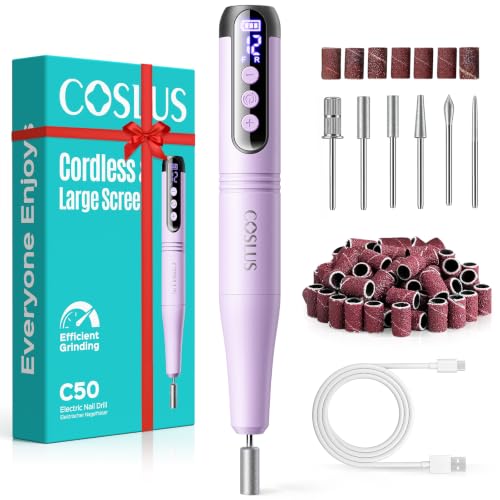
- ✓ Precise LED display
- ✓ Cordless and portable
- ✓ 12 adjustable speeds
- ✕ Slightly pricey
- ✕ No included accessories
| Speed Settings | 12 adjustable speeds with fine control |
| Display | LED screen showing speed, direction, and battery level |
| Battery Type | Rechargeable lithium-ion battery |
| Charging Time | 1.5 hours via Type-C port |
| Weight | 0.17 lb (approximately 77 grams) |
| Operational Noise Level | Under 40 dB |
The first thing that caught my eye with the COSLUS C50 is that sleek LED screen. It’s surprisingly clear and responsive, showing your speed, direction, and battery level in real time.
No more guesswork—just smooth, precise control at your fingertips.
Holding it in your hand, you notice how lightweight and balanced it feels. The purple color adds a fun, stylish vibe that doesn’t scream “professional tool,” making it perfect for both salon pros and DIYers.
Plus, the 12-speed dial is incredibly fine-tuned—going from gentle polishing to aggressive acrylic removal is seamless.
Using it on my own nails, I appreciated how quiet it runs—under 40 dB—so I could focus without hearing loud vibrations. The quick 1.5-hour charge means I’m always ready to go, whether I’m doing a quick touch-up or a full manicure.
And since it’s cordless, I can take it anywhere—no tangled cords or limited mobility.
What really impressed me is its durability. The metal bearings and high-quality components mean this drill feels solid and built to last.
It handles everything from thick calluses to delicate cuticle work, making my nail routine way more efficient.
If you’re worried about beginner mistakes, the 12 speeds let you start slow and build confidence. Plus, the cooling system keeps the tool cool during extended use, preventing overheating.
Overall, it’s a versatile, powerful little device that elevates your nail game without fuss.
KYODOLED Metal Cash Box Combination Lock & Spring-Loaded

- ✓ Heavy-duty steel construction
- ✓ Auto-pop coin tray
- ✓ Windproof bill clips
- ✕ Slightly bulky for small pockets
- ✕ Limited color options
| Material | Heavy-gauge steel with scratch-resistant blue finish |
| Dimensions | 11.81” x 9.45” x 3.54” (30cm x 24cm x 9cm) |
| Locking Mechanism | Combination lock system |
| Coin Tray | Auto-pop 5-compartment coin tray |
| Bill Clips | Windproof spring-loaded clips for $1/$5/$10/$20 bills |
| Additional Storage | Hidden rear compartment for large bills and valuables |
Ever wrestled with a flimsy cash box that tips over just when you need to grab some change quickly? I’ve been there, fumbling with tiny compartments and struggling to keep bills steady in windy outdoor markets.
That’s where the KYODOLED Metal Cash Box really surprised me.
Right out of the box, you notice its sturdy, heavy-gauge steel build. It feels solid in your hand, not cheap or flimsy, and the widened handle makes it easy to carry, even when loaded with cash and coins.
The combination lock system is straightforward—set your code once, and it keeps your cash, checks, and valuables secure without fuss.
What stood out most is the auto-pop coin tray. It pops open smoothly when you unlock the box, keeping coins organized in five neat compartments.
No more digging around for pennies or nickels. The hidden rear compartment is a smart touch, perfect for storing larger bills or receipts separate from daily cash.
Windy days won’t ruin your cash handling either. The spring-loaded bill clips hold bills tightly—no fluttering or scattering.
They’re calibrated just right so bills are secure but still easy to access. Plus, the size is just right—compact enough to fit in a desk drawer or on a small table at markets.
The sleek, scratch-resistant blue finish adds a professional look, making it suitable for small businesses or school fundraisers. Overall, it’s a reliable, no-nonsense cash box that simplifies safe handling and transport of cash on any occasion.
Cast Iron Scrubber & Pan Cleaner with Handle

- ✓ Easy to clean
- ✓ Gentle on seasoning
- ✓ Versatile scraper tools
- ✕ Slightly pricier
- ✕ Handle could be longer
| Material | High-quality stainless steel rings and silicone |
| Handle Length | 9.5 inches |
| Scrubber Thickness | 0.3 inches |
| Suitable For | Cast iron pans, skillets, Dutch ovens, grills, and large iron surfaces |
| Cleaning Method | Water and soap, no dishwasher required |
| Additional Tools | Cast iron pan scraper with 4 different angles |
While digging into my cast iron collection, I unexpectedly found myself more excited about cleaning than I thought I would be. The secret?
This cast iron scrubber with a handle that makes scrubbing feel almost effortless. I was skeptical about how effective a silicone chainmail could be, but I quickly realized it’s a game changer.
The long handle is a real highlight—no more getting your fingers grimy or risking scratches on your skin. It feels sturdy yet lightweight, and the silicone chainmail is flexible enough to reach into narrow gaps.
I tried it on my deepest Dutch oven and it effortlessly cut through stubborn grease without harming the seasoning. Plus, cleaning it afterward is a breeze; just soap and water, and it looks good as new.
The included skillet scraper tools are surprisingly handy, especially at different angles. They’re light but durable, and I love how they don’t scratch my cookware.
The size is perfect for deep pots and large surfaces, making it versatile for everything from BBQ grills to stove tops. I even used one to remove stickers on my car windows—works like a charm.
What surprised me most is how well it preserves the seasoning on my cast iron. The high-quality stainless steel rings gently remove grease without stripping away the protective layer.
It’s a smart, safe way to keep your cast iron in top shape without the fear of damage or residue buildup.
Overall, this kit feels like a thoughtful upgrade to traditional cleaning tools. It’s durable, practical, and genuinely effective—making cast iron care less of a chore and more of a pleasure.
What Are the Essential Principles of Safe Mail Handling?
The essential principles of safe mail handling include the following best practices:
- Personal Protective Equipment (PPE): Utilizing appropriate PPE is crucial when handling mail, especially for those in roles that may come into contact with hazardous materials. This can include gloves, masks, and protective eyewear to minimize exposure to potentially harmful substances.
- Proper Training: Ensuring that all personnel involved in mail handling are trained in safety protocols is essential. This training should cover how to recognize suspicious packages, use equipment safely, and respond to emergencies effectively.
- Identification of Suspicious Mail: Establishing clear criteria for identifying suspicious mail helps in preventing potential threats. Staff should be trained to look for unusual shapes, excessive weight, or strange odors, as well as markings or labels that seem out of the ordinary.
- Secure Storage and Handling: Mail should be stored securely to prevent unauthorized access and tampering. This includes using locked mailboxes and designated areas for receiving and storing mail until it can be distributed safely.
- Regular Maintenance and Cleaning: Keeping mail handling areas clean and well-maintained reduces the risk of contamination and accidents. Regular inspections and cleaning protocols should be established to ensure that all surfaces and equipment are in good condition.
- Emergency Response Procedures: Having a clear set of emergency response procedures in place is vital for addressing any incidents that may arise during mail handling. This includes protocols for evacuation, communication with emergency services, and reporting suspicious activities.
- Documentation and Record Keeping: Maintaining accurate records of mail handling processes can help track the flow of mail and identify potential issues. This includes logging incoming and outgoing mail, as well as any incidents that occur during handling.
Why Is It Important to Practice Safe Mail Handling?
It is important to practice safe mail handling to prevent exposure to hazardous materials, ensure the security of sensitive information, and reduce the risk of identity theft or fraud.
According to the U.S. Postal Service, improper handling of mail can lead to significant health and safety risks, especially when packages may contain harmful substances or biological agents. The Centers for Disease Control and Prevention (CDC) has provided guidelines on handling potentially contaminated mail, emphasizing the need for precautions to mitigate exposure to pathogens and toxic materials.
The underlying mechanism for these risks involves the potential for contamination or malicious intent. For instance, mail can be a vector for the spread of infectious diseases if it comes into contact with contaminated surfaces. Additionally, identity thieves often exploit unprotected mail to access personal information, which can lead to financial fraud. By implementing best practices for safe mail handling, such as wearing gloves, using sanitized surfaces, and securely shredding sensitive documents, individuals and organizations can significantly reduce these risks and protect their health and privacy.
What Regulations Should Be Followed for Safe Mail Handling?
Best practices for safe mail handling include several key regulations and guidelines to ensure the security and safety of mail delivery and receipt.
- Personal Protective Equipment (PPE): Employees handling mail should wear appropriate PPE, such as gloves and masks, to minimize the risk of exposure to contaminants or hazardous materials.
- Training and Awareness: Regular training sessions should be conducted for staff on safe mail handling procedures, including recognizing suspicious packages and understanding the proper protocols for dealing with them.
- Secure Sorting and Storage: Establish secure areas for sorting and storing mail to prevent unauthorized access, theft, or damage to the mail. This includes using locked containers and restricted access zones.
- Labeling and Documentation: Clear labeling of packages and maintaining thorough documentation of incoming and outgoing mail can help track items and ensure accountability, reducing the risk of loss or misdelivery.
- Emergency Procedures: Develop and communicate clear emergency procedures for dealing with mail that may contain hazardous materials or suspicious items, including evacuation plans and contact information for local authorities.
Employees handling mail should wear appropriate PPE, such as gloves and masks, to minimize the risk of exposure to contaminants or hazardous materials. This is especially important in environments where mail could potentially carry biological or chemical threats.
Regular training sessions should be conducted for staff on safe mail handling procedures, including recognizing suspicious packages and understanding the proper protocols for dealing with them. This education helps create a culture of safety and preparedness among employees.
Establish secure areas for sorting and storing mail to prevent unauthorized access, theft, or damage to the mail. This includes using locked containers and restricted access zones, which are vital for protecting sensitive information and ensuring that the mail is handled safely.
Clear labeling of packages and maintaining thorough documentation of incoming and outgoing mail can help track items and ensure accountability, reducing the risk of loss or misdelivery. Proper documentation practices also assist in investigations if issues arise.
Develop and communicate clear emergency procedures for dealing with mail that may contain hazardous materials or suspicious items, including evacuation plans and contact information for local authorities. Having a well-prepared response plan is crucial for ensuring the safety of all personnel involved in mail handling.
What Risks Are Involved in Handling Mail?
Handling mail involves several risks that can impact personal safety and security.
- Biological Hazards: Mail can potentially carry pathogens, including bacteria and viruses, especially if the packages have been handled by multiple individuals.
- Physical Injuries: There is a risk of injury when handling heavy or awkwardly shaped packages, which can lead to strains or accidents.
- Security Threats: Mail can be a vehicle for threats, including explosives, poisons, or other harmful materials that can endanger recipients.
- Identity Theft: Personal information contained in mail can be exploited by thieves if not handled securely, leading to potential financial loss.
- Privacy Breaches: Improper handling of mail may expose sensitive information, risking the privacy of individuals and organizations.
Biological hazards are a significant concern, as mail can be contaminated with harmful microorganisms. This is particularly relevant in times of health crises, where packages may carry viruses or bacteria that pose health risks to individuals opening the mail.
Physical injuries can occur if workers are not trained in proper lifting techniques or if they are handling packages that exceed safe weight limits. Strains, sprains, and even more severe injuries can result from improper handling, highlighting the need for best practices in physically managing mail.
Security threats are a critical risk, as mail can be manipulated to include dangerous items. Organizations must be vigilant about screening and managing inbound mail to prevent any potentially life-threatening incidents.
Identity theft is another risk associated with mail handling, where personal information from documents can be exploited by criminals. Ensuring that sensitive mail is securely disposed of or stored is essential to mitigate this risk.
Finally, privacy breaches can occur when confidential information is exposed through careless handling of mail. This underscores the importance of training individuals in secure mail handling practices to protect both personal and organizational data.
Which Common Contaminants May Be Present in Mail?
Common contaminants that may be present in mail include:
- Biological agents: These may include bacteria, viruses, or fungi that can survive on surfaces.
- Chemical agents: Such contaminants can be hazardous substances, including toxic powders or other harmful chemicals.
- Physical contaminants: Items such as sharp objects or broken glass that can cause injury during handling.
- Pest infestations: Rodents or insects that may have come into contact with mail items, posing health risks.
- Environmental pollutants: Dust, dirt, or chemical residues from the surrounding environment that may settle on mail.
Biological agents in mail can potentially pose serious health risks, as they can be responsible for the transmission of infectious diseases. It is essential to handle such mail with caution, possibly using gloves, and to ensure proper hygiene after contact.
Chemical agents are another significant concern, as they may be undetectable to the naked eye and can vary widely in toxicity. Protocols for safely handling mail with suspected chemical contamination often include using protective equipment and notifying appropriate authorities.
Physical contaminants, such as sharp objects, can lead to injuries if mail is not handled carefully. Proper training in safe handling techniques is vital to prevent accidents when sorting or distributing mail.
Pest infestations in mail can introduce various health risks, including the transmission of diseases. Regular inspection of mail for signs of pests is critical, especially in environments where food is handled.
Environmental pollutants like dust or chemical residues can accumulate on mail during transport. Implementing practices to clean and inspect mail before distribution can help mitigate these risks and ensure safety in handling.
What Health Risks Should Be Considered When Handling Mail?
When handling mail, several health risks should be considered to ensure safety and hygiene.
- Exposure to Pathogens: Mail can carry bacteria, viruses, and other pathogens that may pose a risk, especially during flu seasons or pandemics. It’s important to wash hands thoroughly after handling mail and avoid touching the face until hands are clean.
- Allergic Reactions: Some individuals may have allergies to materials used in packaging, such as plastic or certain inks. Using gloves can help mitigate direct contact with these materials and reduce the risk of allergic reactions.
- Cuts and Injuries: Sharp edges from envelopes, boxes, or packaging materials can lead to cuts and injuries during mail handling. Care should be taken when opening packages, using tools designed for safe cutting, and avoiding hasty movements.
- Chemical Exposure: Packages may be treated with chemicals or preservatives, which can pose health risks if they come into contact with skin or are inhaled. Wearing gloves and handling mail in well-ventilated areas can help minimize this risk.
- Handling Contaminated Surfaces: Surfaces of mail and packaging can be contaminated with dirt, germs, or chemicals from various environments. Regular cleaning of the workspace and using disinfectant wipes on mail surfaces can greatly reduce the risk of contamination.
How Should Mail Be Sanitized Upon Arrival?
Best practices for safe mail handling include the following procedures:
- Wear gloves: Using disposable gloves when handling mail can help prevent the transfer of germs and contaminants.
- Disinfect surfaces: Before opening mail, disinfect the surfaces where the mail will be placed to minimize the risk of spreading pathogens.
- Open mail carefully: Use scissors or a letter opener to avoid direct contact with the envelope, reducing the risk of contamination from the outer surface.
- Dispose of packaging promptly: Dispose of any outer packaging and envelopes immediately after opening to limit exposure to potential contaminants.
- Wash hands thoroughly: After handling mail, wash your hands with soap and water for at least 20 seconds to ensure any potential germs are removed.
- Store mail in a designated area: Keep opened mail in a specific location that is cleaned regularly, helping to contain any potential germs.
- Consider using a UV light: Some people opt to use UV light sanitizers on mail to kill bacteria and viruses, providing an extra layer of safety.
Using disposable gloves is an effective measure in mail handling, as it creates a barrier between you and any contaminants that may be present on the surface of the mail. This practice is particularly important if you are concerned about pathogens that may linger on surfaces.
Disinfecting surfaces before placing mail is another crucial step. By wiping down the area where you will open the mail with an appropriate disinfectant, you significantly reduce the chances of transferring any germs from the mail to your hands or other surfaces.
When opening mail, it is advisable to use scissors or a letter opener rather than tearing the envelope with your hands. This method minimizes direct contact with the envelope and helps to avoid any potential exposure to whatever might be on its surface.
After opening the mail, disposing of the outer packaging immediately is essential. This practice helps to limit the time that any contaminants may remain in your environment, reducing the risk of transmission.
Washing your hands thoroughly after handling mail is a simple yet effective way to ensure that any germs you may have come into contact with are removed. This should be done regardless of whether you wore gloves, as it is an important hygiene practice.
Storing opened mail in a designated and frequently cleaned area helps to keep any potential contaminants contained. This practice also makes it easier to maintain a clean environment, especially in high-traffic areas.
Some individuals may choose to invest in UV light sanitizers for their mail, as these devices can kill a variety of bacteria and viruses. While not necessary for everyone, it provides additional peace of mind for those particularly concerned about sanitation.
What Immediate Steps Should Be Taken to Ensure Safety?
To ensure safety in mail handling, the following best practices should be implemented:
- Use Personal Protective Equipment (PPE): Wearing gloves and masks can significantly reduce the risk of exposure to harmful substances or infectious agents. PPE acts as a barrier between the handler and potential contaminants found on the surface of mail.
- Maintain Clean Workspaces: Regularly disinfecting work areas and surfaces where mail is handled helps prevent the spread of germs and contamination. A clean environment also ensures that any hazardous materials can be identified and dealt with promptly.
- Implement Mail Screening Procedures: Establishing protocols for inspecting and screening mail for unusual substances or suspicious packages is crucial. This may involve visual checks and the use of detection tools to identify potential threats before they reach individuals.
- Educate Employees on Safe Handling Practices: Training staff on the proper techniques for handling mail, including how to identify risks and respond to emergencies, is vital for maintaining safety. Continuous education ensures that employees are aware of the latest safety protocols and can act confidently in uncertain situations.
- Encourage Reporting of Suspicious Items: Creating an environment where employees feel comfortable reporting suspicious mail or packages can enhance safety measures. Prompt reporting allows for quick action to be taken, potentially preventing harmful incidents.
- Establish Clear Protocols for Mail Disposal: Proper disposal methods for mail, especially if it is deemed hazardous, are essential. Following specific guidelines for disposal can reduce risks associated with exposure to potentially dangerous materials.
Which Cleaning Products Are Recommended for Disinfecting Mail?
When it comes to disinfecting mail, several cleaning products are recommended for safe handling:
- Isopropyl Alcohol (70%): This concentration of alcohol is effective in killing most germs and viruses on surfaces. You can apply it to a cloth or paper towel and wipe down the surfaces of the mail, ensuring to let it air dry for maximum efficacy.
- Disinfectant Wipes: These wipes are pre-moistened with disinfectant solutions that can effectively sanitize mail surfaces. They are convenient for quick cleaning, but it’s important to check that they are EPA-approved for effectiveness against viruses.
- Hydrogen Peroxide (3% solution): Hydrogen peroxide can be used to disinfect mail surfaces due to its antiviral and antibacterial properties. It’s safe for most surfaces and can be applied with a spray bottle or cloth, though it should be used in a well-ventilated area.
- Bleach Solution: A diluted bleach solution (1 part bleach to 10 parts water) can be used for disinfecting mail. However, it’s crucial to use this solution carefully, as it can damage certain materials and should never be mixed with other cleaners.
- Soap and Water: While not a disinfectant, washing mail with soap and water can remove dirt and grime that may harbor pathogens. This method is particularly useful for cardboard packages, as it can help reduce the risk of contamination.
What Protective Measures Can Enhance Safety During Mail Handling?
Implementing protective measures during mail handling is essential for ensuring safety and security.
- Use Personal Protective Equipment (PPE): Wearing appropriate PPE such as gloves and masks can significantly reduce the risk of exposure to harmful substances or pathogens.
- Proper Mail Inspection: Thoroughly inspecting incoming mail for suspicious packages or substances helps identify potential threats before they can cause harm.
- Training and Awareness Programs: Regular training for employees on safe mail handling practices and recognizing warning signs can enhance preparedness and response to potential hazards.
- Implementing a Mail Screening Protocol: Establishing a systematic approach for screening mail, including using X-ray machines or chemical detection devices, can help identify dangerous items early.
- Secure Mail Handling Areas: Designating secure areas for receiving, sorting, and storing mail minimizes the risk of unauthorized access and potential contamination.
- Emergency Response Procedures: Having clear and practiced emergency response procedures in place ensures that employees know how to react quickly and effectively in the event of a suspicious package or exposure incident.
Wearing appropriate PPE such as gloves and masks can significantly reduce the risk of exposure to harmful substances or pathogens. This is particularly important in environments where mail may be contaminated with biological agents or chemicals.
Thoroughly inspecting incoming mail for suspicious packages or substances helps identify potential threats before they can cause harm. This might involve checking for unusual weight, odor, or leaks, which can be indicators of dangerous materials.
Regular training for employees on safe mail handling practices and recognizing warning signs can enhance preparedness and response to potential hazards. This ensures that all team members are aware of the best practices and can act appropriately in different scenarios.
Establishing a systematic approach for screening mail, including using X-ray machines or chemical detection devices, can help identify dangerous items early. This proactive measure is crucial for maintaining a safe working environment and protecting employees.
Designating secure areas for receiving, sorting, and storing mail minimizes the risk of unauthorized access and potential contamination. These areas should be monitored and controlled to ensure that only authorized personnel handle the mail.
Having clear and practiced emergency response procedures in place ensures that employees know how to react quickly and effectively in the event of a suspicious package or exposure incident. This preparedness can save lives and mitigate risks significantly.
When Is It Necessary to Use Personal Protective Equipment (PPE)?
Personal Protective Equipment (PPE) is necessary in various situations to ensure safety and minimize risks, particularly during mail handling.
- Handling Hazardous Materials: When mail includes hazardous materials such as chemicals or biological substances, PPE like gloves and masks should be used to prevent skin contact and inhalation of harmful agents.
- Dealing with Contaminated Items: In cases where mail may be contaminated or suspected to harbor pathogens, using gloves, face shields, and gowns can protect against exposure and infection.
- Using Cutting Tools: When opening mail with sharp tools, it’s important to wear cut-resistant gloves to prevent injuries from accidental cuts or punctures.
- Working in High-Traffic Areas: In environments where multiple people handle mail, such as sorting facilities, wearing masks and gloves can help reduce the spread of respiratory illnesses and maintain hygiene standards.
- Handling Heavy Packages: For large or heavy mail items, using safety shoes with steel toes and back support belts can prevent injuries from lifting or dropping mail.
When handling hazardous materials, it’s essential to identify the specific risks involved. This may include exposure to toxic substances, which can lead to acute or chronic health effects. By wearing appropriate PPE such as gloves and masks, workers can create a barrier against direct contact and inhalation.
Dealing with potentially contaminated items requires heightened caution. The use of gloves is crucial to protect skin from potential pathogens, while face shields or masks can prevent inhalation of airborne particles. This practice is particularly important in environments dealing with health-related mail or items from unknown sources.
When using cutting tools to open mail, cut-resistant gloves serve as an essential precaution. These gloves are designed to withstand cuts and abrasions, reducing the risk of injury significantly. It’s also advisable to use tools designed for safety, such as letter openers with protective features.
In high-traffic areas, the risk of spreading illnesses increases due to close contact with others. Wearing masks can help protect both the individual and others from respiratory droplets, while gloves maintain cleanliness when handling shared items. This practice promotes a safer working environment for all employees.
When handling heavy packages, proper footwear and back support are vital for preventing physical injuries. Safety shoes protect against foot injuries in case of dropped items, while back support belts can help workers maintain proper lifting techniques, reducing the risk of strains or sprains.
How Does Hand Hygiene Contribute to Safe Mail Handling?
Hand hygiene plays a crucial role in ensuring safe mail handling by minimizing the risk of contamination and the spread of pathogens.
- Regular Hand Washing: Frequent washing of hands with soap and water helps eliminate germs that may be transferred from mail surfaces to the hands.
- Use of Hand Sanitizers: When soap and water are not available, using an alcohol-based hand sanitizer can effectively reduce the number of germs on the hands.
- Avoiding Touching Face: Keeping hands away from the face after handling mail prevents germs from entering the body through mucous membranes.
- Wearing Gloves: Utilizing disposable gloves during mail handling can provide an additional barrier against contaminants, especially when dealing with large volumes of mail.
- Surface Disinfection: Regularly disinfecting surfaces where mail is opened or processed helps to eliminate any pathogens that may be present on the mail itself.
Regular hand washing is one of the most effective ways to remove germs and dirt, especially after handling mail or packages. It is recommended to wash hands for at least 20 seconds, ensuring that all areas, including under the nails and between fingers, are thoroughly cleaned.
When soap and water are unavailable, alcohol-based hand sanitizers with at least 60% alcohol can be used as an alternative. They are effective in reducing the microbial load on hands, providing a quick and convenient option for maintaining hand hygiene in busy environments.
Avoiding touching the face, particularly the eyes, nose, and mouth, is essential after handling mail, as this minimizes the likelihood of transferring any pathogens from the hands into the body. This practice is particularly important in settings where mail could be contaminated.
Wearing disposable gloves during mail handling can serve as an effective barrier against germs. However, it is crucial to remember that gloves should be changed frequently and hands should still be sanitized after removing gloves to ensure comprehensive hygiene.
Lastly, disinfecting surfaces that come into contact with mail, such as desks or counters, is vital to reducing the risk of cross-contamination. Using EPA-approved disinfectants can help ensure that any pathogens on the mail or surfaces are effectively eliminated, creating a safer environment for handling mail.
What Are the Best Practices for Storing Mail Safely?
Implementing best practices for safe mail handling is crucial to protect sensitive information and ensure secure delivery.
- Use Secure Packaging: Always use tamper-proof and padded envelopes or boxes for sending valuable items or sensitive documents. This not only protects the contents from damage but also deters tampering during transit.
- Label Confidential Mail Clearly: Mark envelopes containing sensitive information as “Confidential” or “Private.” This alerts postal workers to handle them with extra care and ensures they are delivered to the intended recipient without unnecessary exposure.
- Implement Mail Screening: Screen incoming mail for suspicious items or signs of tampering. Use tools like x-ray machines or manual inspection to identify anything unusual before distribution within an organization.
- Store Mail in a Secure Location: Keep all mail in a locked and secure area until it is ready to be distributed. This prevents unauthorized access and protects sensitive materials from theft or loss.
- Train Staff on Mail Handling Procedures: Provide training for employees on best practices for handling mail, including recognizing suspicious packages and the appropriate steps to take. Well-informed staff can significantly reduce the risk of mishandling sensitive information.
- Utilize a Document Destruction Policy: Establish a policy for the secure disposal of unwanted or expired mail, particularly those containing sensitive information. Shredding documents before disposal ensures that confidential data cannot be retrieved by unauthorized individuals.
- Track and Confirm Deliveries: Use tracking services for sending important mail to ensure it is delivered securely and on time. Confirming receipt with the recipient can also help in identifying any potential issues during delivery.
How Can Mail Be Organized to Minimize Risks of Contamination?
Effective mail organization is crucial to minimize risks of contamination and ensure safety in handling. The best practices for safe mail handling include:
- Regular Training: Conducting regular training sessions for employees on proper mail handling techniques is essential. This training can cover hygiene practices, the appropriate use of personal protective equipment (PPE), and the importance of recognizing potential hazards in incoming mail.
- Designated Mail Areas: Establishing specific areas for receiving and sorting mail helps to contain and manage any potential contamination risks. These areas should be equipped with sanitation supplies, such as hand sanitizers and cleaning wipes, to ensure that surfaces and hands can be regularly cleaned.
- Use of Protective Gear: Mandating the use of gloves and masks when handling mail can significantly reduce the risk of transferring contaminants. This is particularly important for employees who frequently handle packages and envelopes, as it creates a barrier between them and potential pathogens.
- Mail Screening Procedures: Implementing mail screening protocols can help identify potentially hazardous items before they reach employees. This might include inspecting packages for damage, using scanners for suspicious shapes or contents, and having designated personnel trained in emergency response procedures.
- Sanitization of Surfaces: Regularly sanitizing surfaces in mail handling areas, such as desks, counters, and equipment, is vital for minimizing contamination. A consistent cleaning schedule should be established, using EPA-approved disinfectants that are effective against a broad range of pathogens.
- Quarantine Procedures: Setting up a quarantine process for incoming mail can help mitigate risks associated with surface contamination. Items can be held for a predetermined period to allow any potential pathogens to become inactive, reducing the likelihood of transmission.
- Contactless Delivery Options: Encouraging the use of contactless delivery methods can further minimize contamination risks. This includes using digital communication for documents when possible and opting for drop-off options where physical contact is limited.